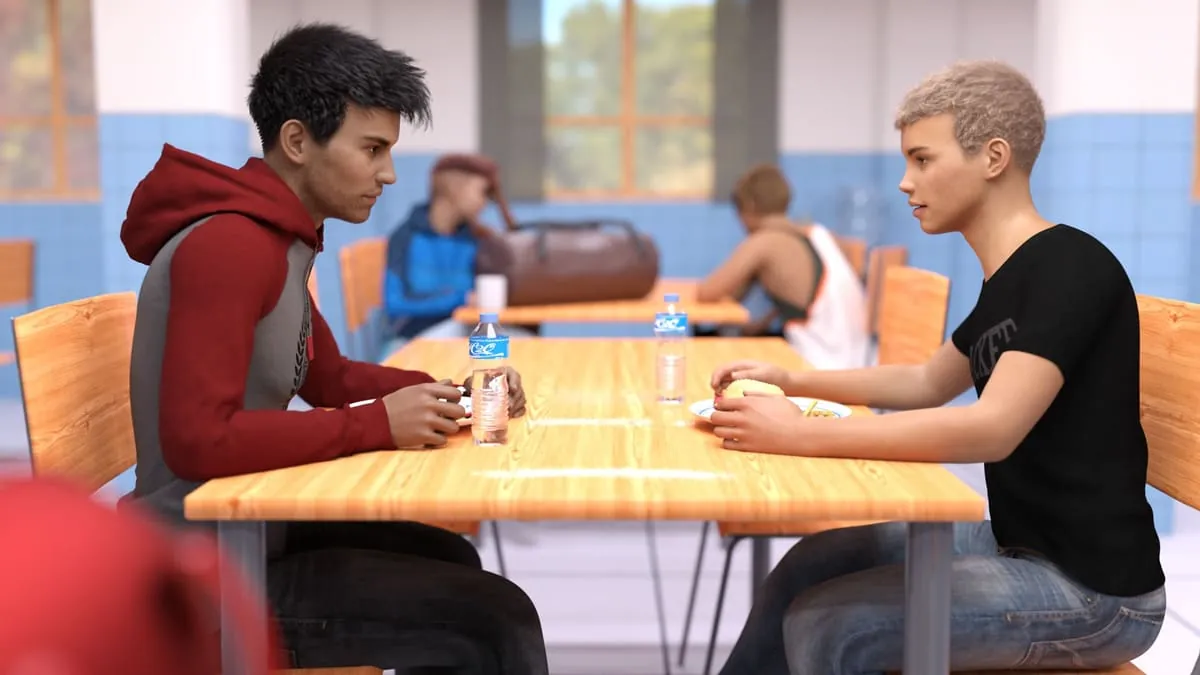
Summer’s Gone
Play Summer’s Gone
Summer’s Gone Screenshots















Summer’s Gone review
Exploring the narrative, characters, and emotional depth of the acclaimed interactive game
Summer’s Gone has emerged as a standout title in the visual novel genre, captivating players with its focus on storytelling and character development rather than relying solely on adult content. This interactive narrative experience follows a young man confronting depression, isolation, and past trauma as he navigates college life, romance, and personal growth. The game emphasizes meaningful relationships, player choice consequences, and exploration of mental health themes. If you’re curious about what makes this game resonate with players and whether it’s the right experience for you, this guide covers everything from gameplay mechanics to character dynamics and the emotional journey that awaits.
Understanding Summer’s Gone: Story, Setting, and Core Themes
What Is Summer’s Gone and Why It Stands Out
Let’s be honest—when you hear “visual novel,” a certain stereotype probably pops into your head. Maybe it’s a straightforward dating sim, or a story that rushes to… well, adult content. 🎭 I get it. I’ve played plenty of those. But what if I told you there’s a game that flips that entire script on its head? That game is Summer’s Gone.
Summer’s Gone isn’t just another entry in the genre; it’s a statement. It’s a character-driven narrative that asks for your patience and rewards you with profound emotional depth. You step into the worn-out shoes of a young man whose past is a ghost haunting his present. A childhood love, simply named Summer, vanished without a trace, leaving a void filled with trauma. The game begins as he’s pushed, fragile and resistant, into a new life at ZPR University. This isn’t a power fantasy; it’s a recovery story.
What makes this interactive story game stand out is its fearless priority. The developers, Oceanlab, have made a conscious choice to focus entirely on the story, characters, and your connection to them. There’s no explicit content here. Instead, the “romance” is the slow, delicate process of learning to trust and connect again. This commitment to pure narrative makes every conversation, every hesitant smile, and every shared silence feel incredibly significant. It’s a slow burn romance game in the truest sense, where the payoff is emotional catharsis, not a titillating scene.
The Narrative Foundation: Trauma, Healing, and College Life
The campus of ZPR University is more than just a pretty backdrop with great lighting (and the visuals are stunning, by the way ✨). It’s a crucible for change. For our protagonist, it’s a forced confrontation with a world he’d rather shut out. The narrative masterfully uses this setting to explore a central theme: you can’t outrun your past, but you can learn to walk beside it.
The core of the Summer’s Gone visual novel experience is this journey from isolation to connection. The protagonist’s trauma manifests as depression, social anxiety, and a deep-seated insecurity. He isn’t charming or smooth; he’s broken, and the game doesn’t shy away from that. As you guide him through his first weeks, you’ll navigate social minefields, confront his self-loathing, and make small, terrifying steps toward other people.
This is where the choice-based storytelling becomes so powerful. Your decisions don’t just determine who you date; they shape how he heals. Will you encourage him to open up to the surprisingly kind physics professor? Will you push him to apologize after a social mishap born from fear? Each choice feels weighty because it’s not about winning points—it’s about guiding a person. The cast of characters he meets is equally layered. From Bella, whose sharp exterior hides her own vulnerabilities, to the supportive friend group that forms almost in spite of him, every person feels real, with their own histories and hidden pains.
The structure is deliberately paced. Season 1 is largely an introduction—a foundation-laying act that establishes the world, the deep mysteries (what really happened to Summer?), and the tentative beginnings of relationships. Some players new to the genre might find the pace deliberate, but fans appreciate it. This slow burn romance game approach allows for unparalleled character development. You earn every moment of connection because you’ve witnessed the struggle that preceded it. 🕯️
Mental Health and Serious Topics in Interactive Storytelling
This is where Summer’s Gone truly carves its own path and makes a bold contribution to mental health themes in games. It doesn’t use depression or trauma as a trendy plot device or a simplistic obstacle to be “fixed” by love. Instead, it offers a raw, respectful, and nuanced portrayal of living with these burdens.
The portrayal of depression in video games is often shallow. Not here. The game shows the daily weight of it: the exhaustion, the negative self-talk, the difficulty of basic tasks, and the way shame can become a constant companion. The protagonist’s disability (a lingering injury from his past) is also woven into this tapestry, affecting his physical self-image and interactions. It’s a holistic look at how different forms of pain intertwine.
What’s brilliant is the balance the story strikes. While it delves into these heavy themes, it is not a hopeless story. Glimmers of hope, humor, and genuine warmth break through. A silly joke from a roommate, a quiet study session that doesn’t end in disaster, a shared look of understanding—these are monumental victories. The interactive story game format is perfect for this, as you are actively participating in finding these moments of light. The romance elements are fundamentally about healing; a potential relationship represents a step toward believing you are worthy of connection.
“I’ve never had a game make me feel so seen. Playing Summer’s Gone wasn’t about escaping my own problems, but about understanding them through someone else’s story. Seeing the main character’s small victories—getting out of bed, holding a conversation—felt like my own. The character development isn’t about becoming someone new, but about becoming someone who can live with their past.” – A player’s testimonial
This authentic approach to mental health themes in games is why the community is so passionate. It starts vital conversations and provides a form of interactive empathy that few other mediums can achieve.
To understand the core pillars that make this experience work, let’s break down the key components of its narrative engine:
| Narrative Pillar | How It Manifests in Summer’s Gone | Player Impact |
|---|---|---|
| Trauma-Informed Pacing | The story unfolds slowly, mirroring the real, non-linear pace of healing. Relationships and revelations take time. | Builds deep investment and makes emotional payoffs feel earned and profound. |
| Character as Catalyst | Every major character has a detailed backstory and their own flaws. They aren’t goals, but partners in growth. | Transforms the character-driven narrative into a web of interconnected, believable lives. |
| Themes of Healing | The core plot isn’t “find Summer” or “get a girlfriend.” It’s “learn to live again.” Romance is one path of many. | Shifts the focus from conquest to personal journey, resonating with players on a personal level. |
| Choice with Consequence | Decisions often affect the protagonist’s mental state and self-perception, not just relationship scores. | Elevates the choice-based storytelling to be about internal growth, not external rewards. |
So, why does this all matter? In a landscape crowded with fast-paced action and instant gratification, Summer’s Gone is a compelling argument for the power of slow, thoughtful interaction. It proves that an interactive story game can be a legitimate and powerful vehicle for exploring complex human experiences like grief, anxiety, and the fragile hope of recovery.
It treats its audience like adults, capable of handling difficult topics and appreciating subtlety. By prioritizing a character-driven narrative above all else, it forges a bond between player and protagonist that is rare and powerful. You’re not just watching him heal; through your choices, you’re participating in that healing. This thoughtful approach to depression in video games and other serious themes doesn’t just create a good game—it creates an important one. It’s a testament to how video games, as a medium, can foster empathy and understanding in uniquely personal ways. 🕊️
Season 1 is just the beginning of this journey. With future seasons planned, the foundation built here—one of trust, nuanced storytelling, and emotional honesty—promises a continuing experience that will likely deepen our understanding of these characters and their struggles. If you’re ready for a story that stays with you long after you close the game, one that challenges you to feel deeply and connect authentically, then the world of Summer’s Gone is waiting.
Summer’s Gone represents a significant achievement in interactive storytelling, demonstrating that visual novels can deliver profound emotional experiences through thoughtful narrative design and character development. The game’s commitment to exploring mental health, trauma, and healing while building meaningful relationships sets it apart in a crowded genre. With its branching dialogue system, diverse cast of characters with rich backstories, and stunning visuals, the game offers a compelling experience for players seeking depth and emotional resonance. Whether you’re new to visual novels or a seasoned fan, Summer’s Gone provides a slow-burn narrative that rewards player investment and choice. As Season 2 continues development, the foundation established in Season 1 promises an engaging journey of personal growth, romance, and self-discovery. If you value storytelling, character development, and games that tackle serious themes with authenticity, Summer’s Gone deserves a place in your gaming library.