Strange Nights
Play Strange Nights
Strange Nights Screenshots
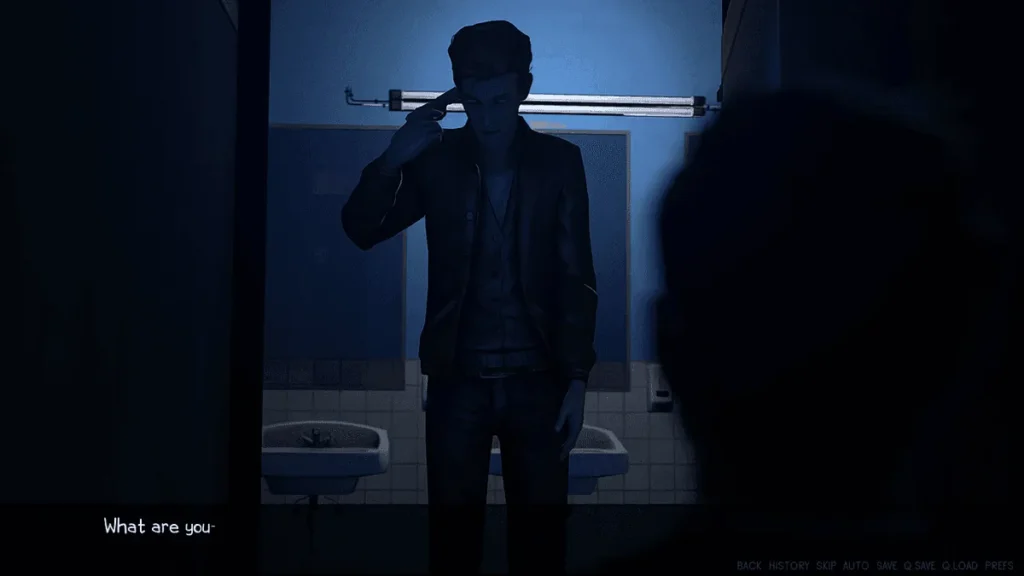
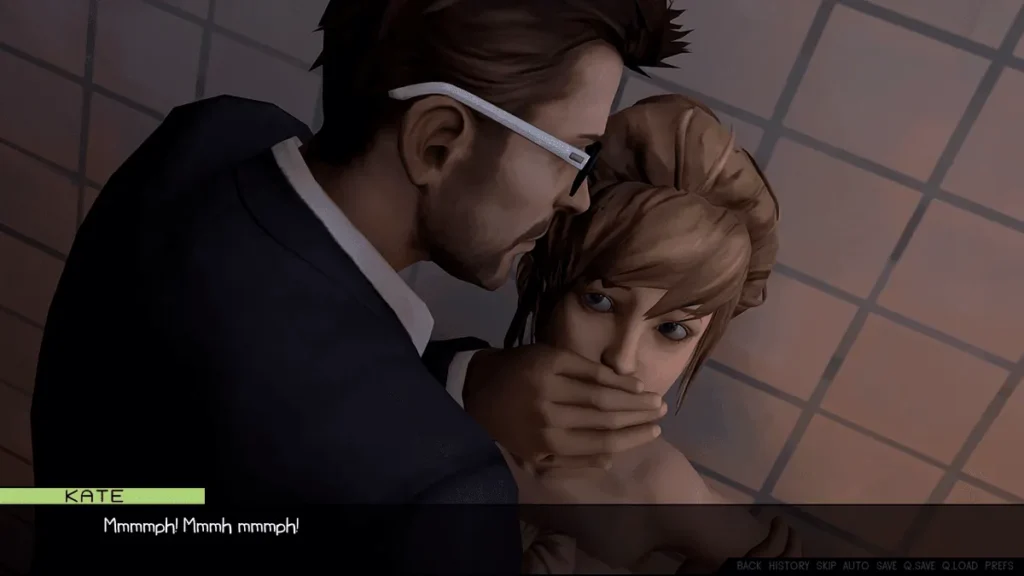
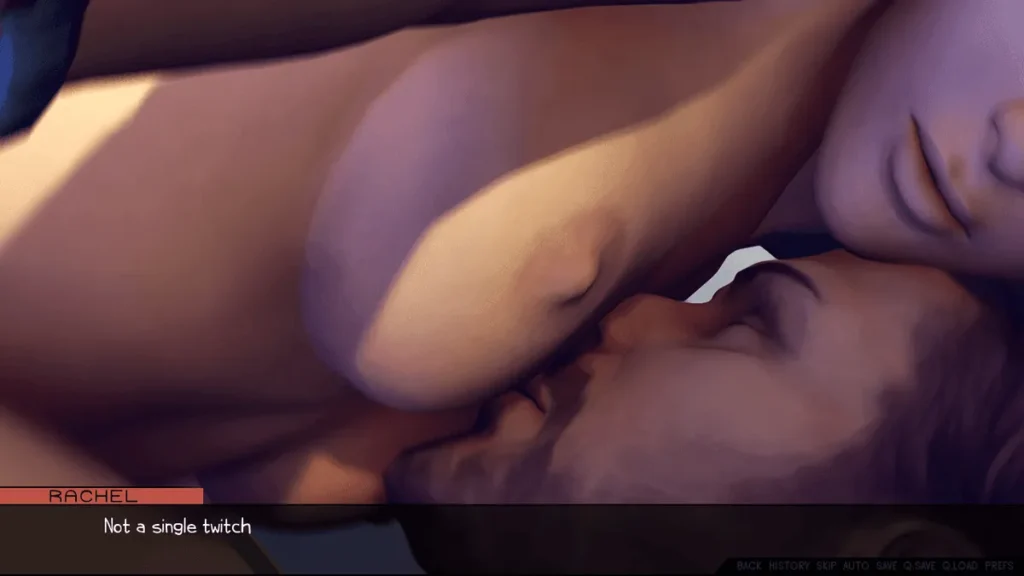
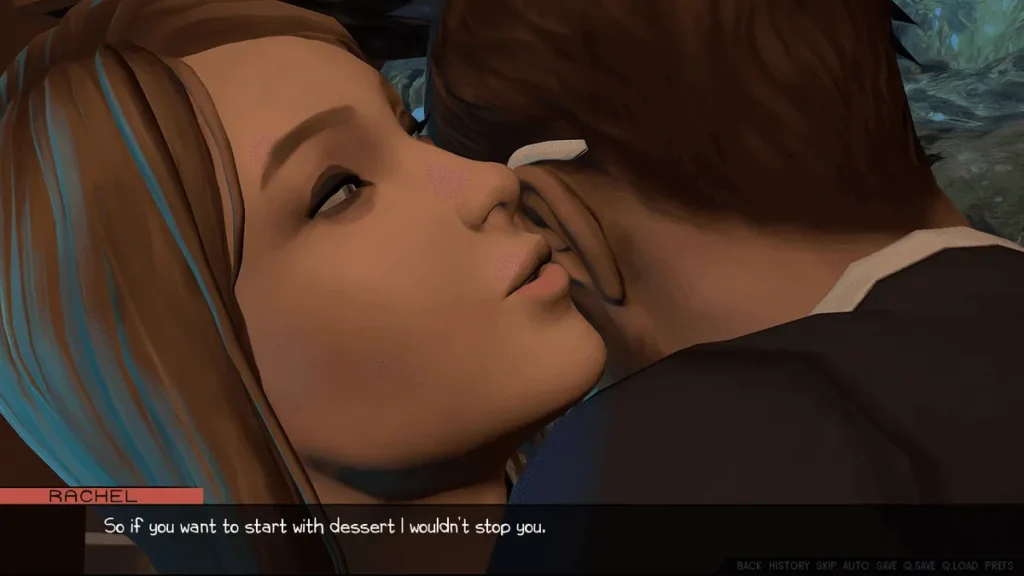
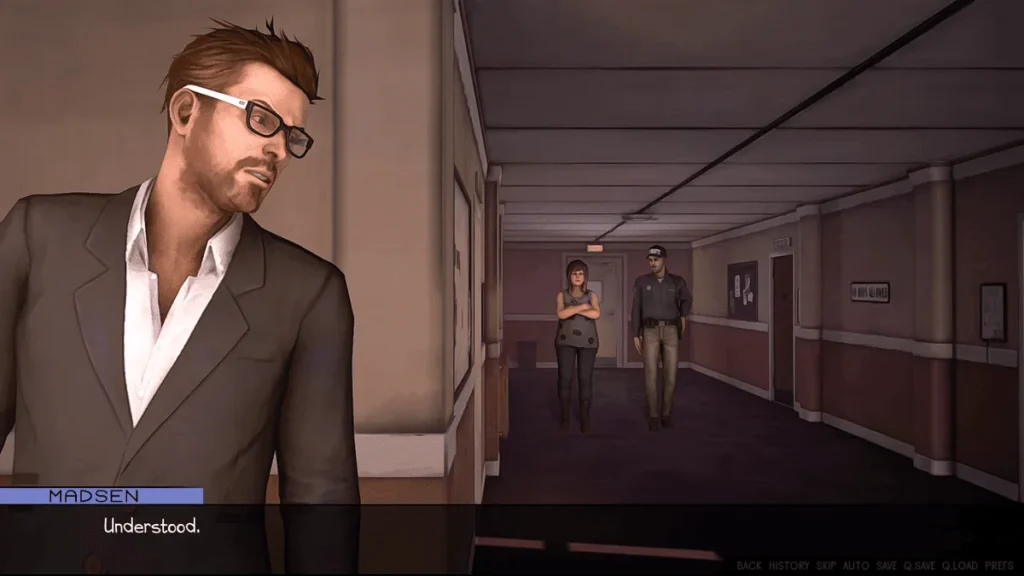
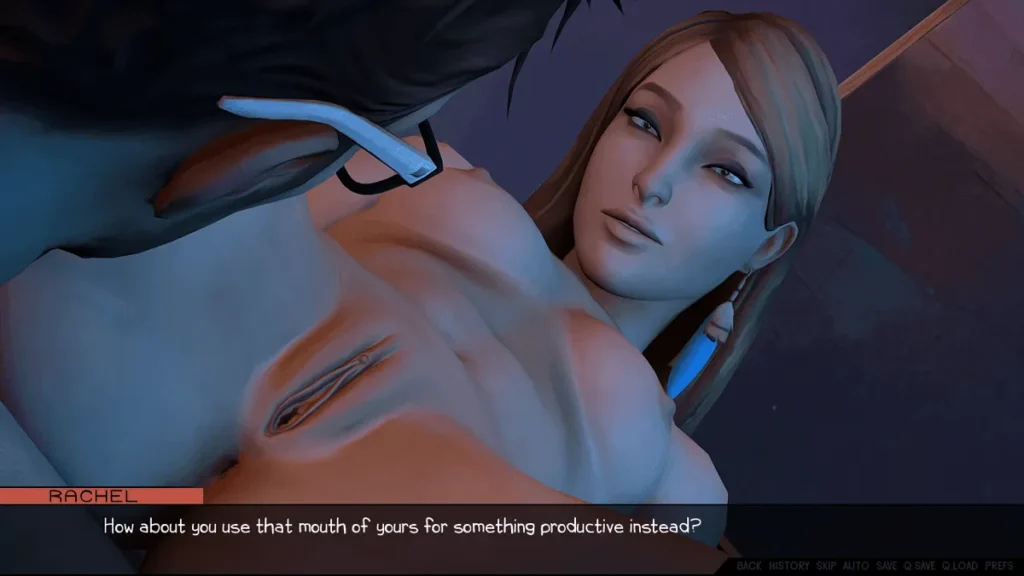
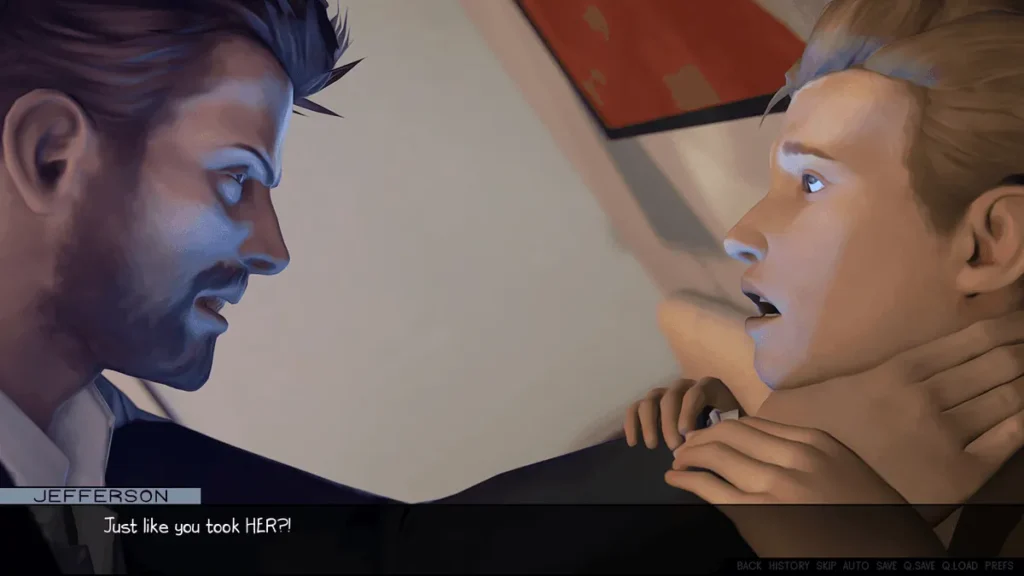
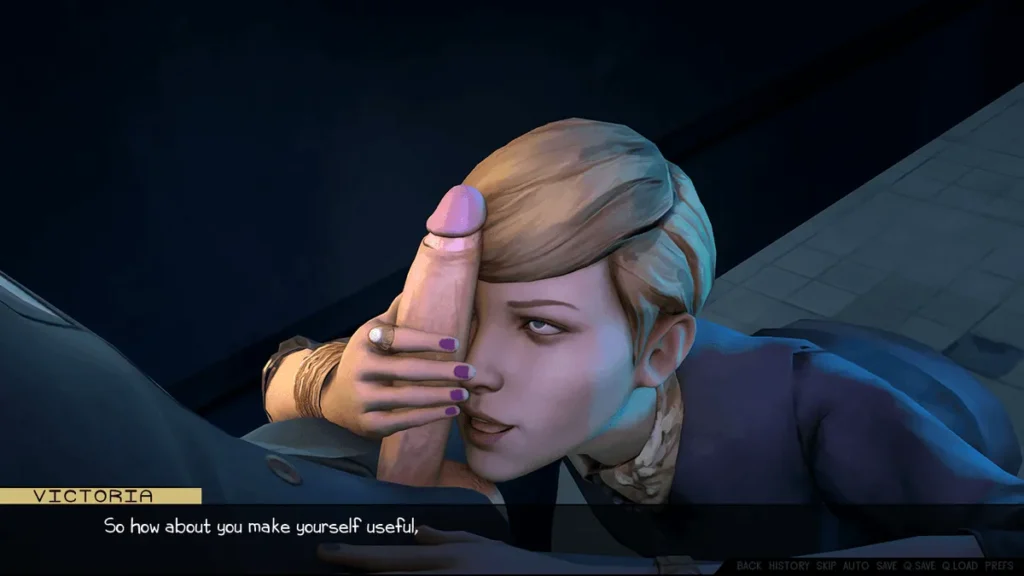
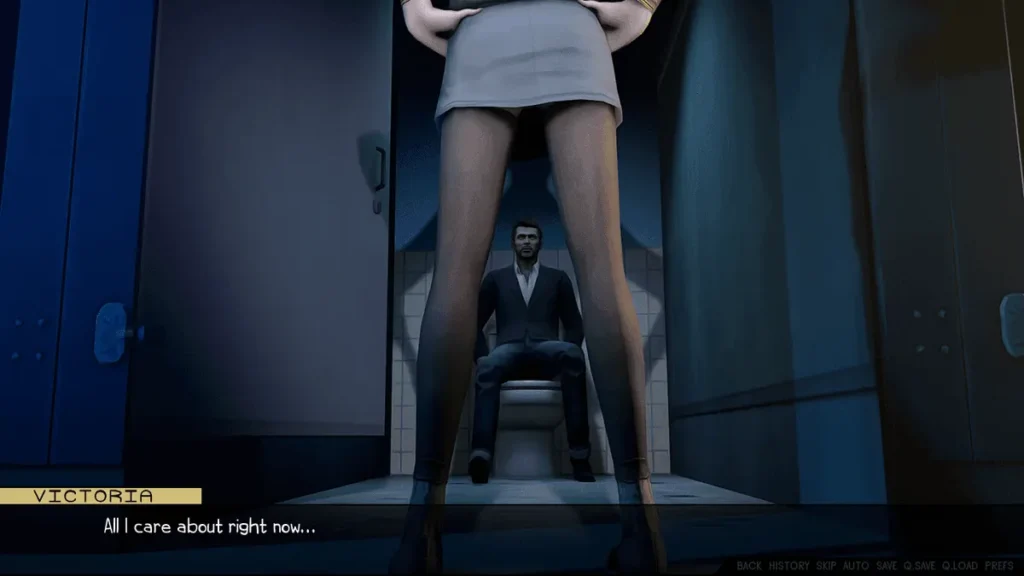
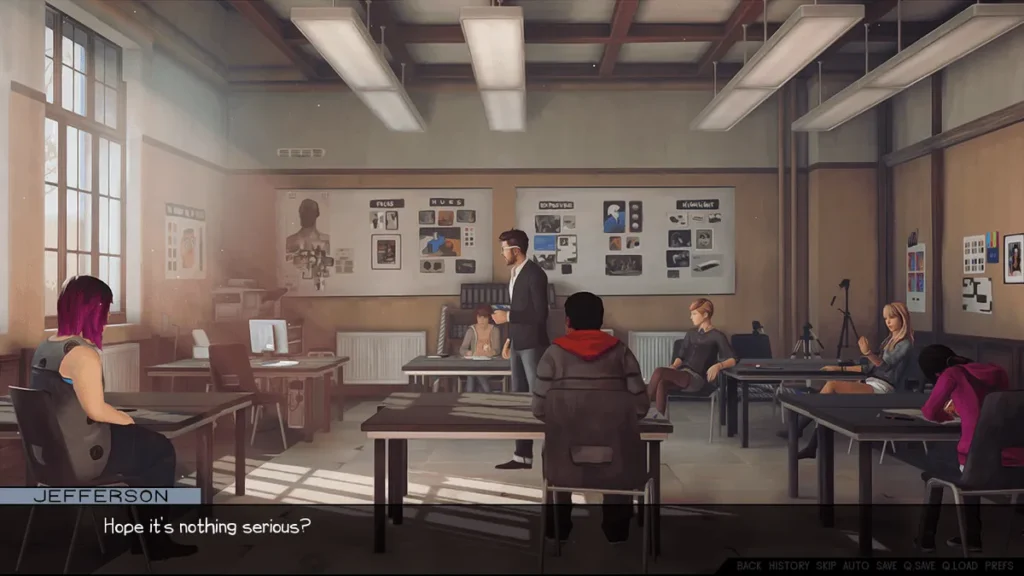
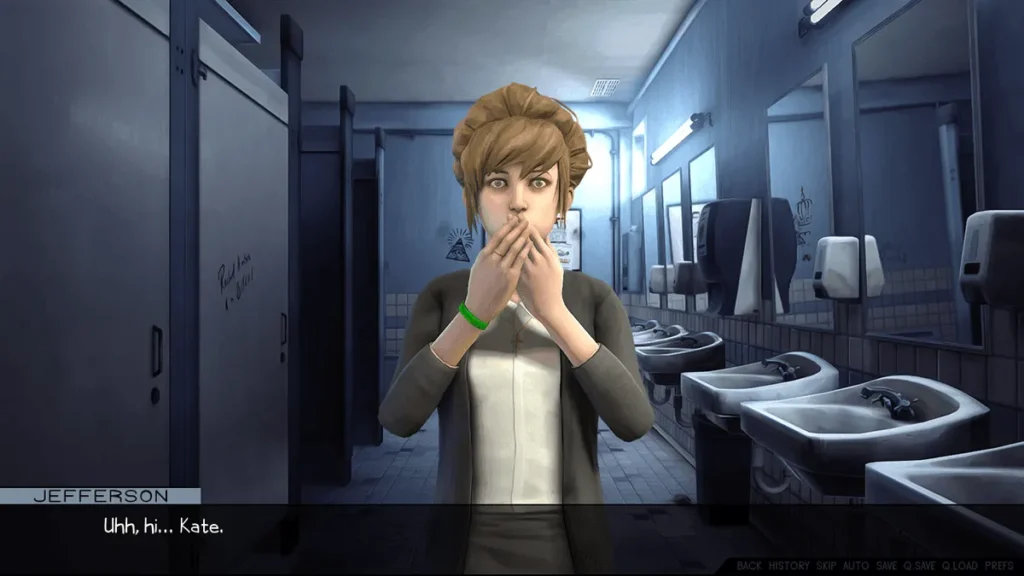
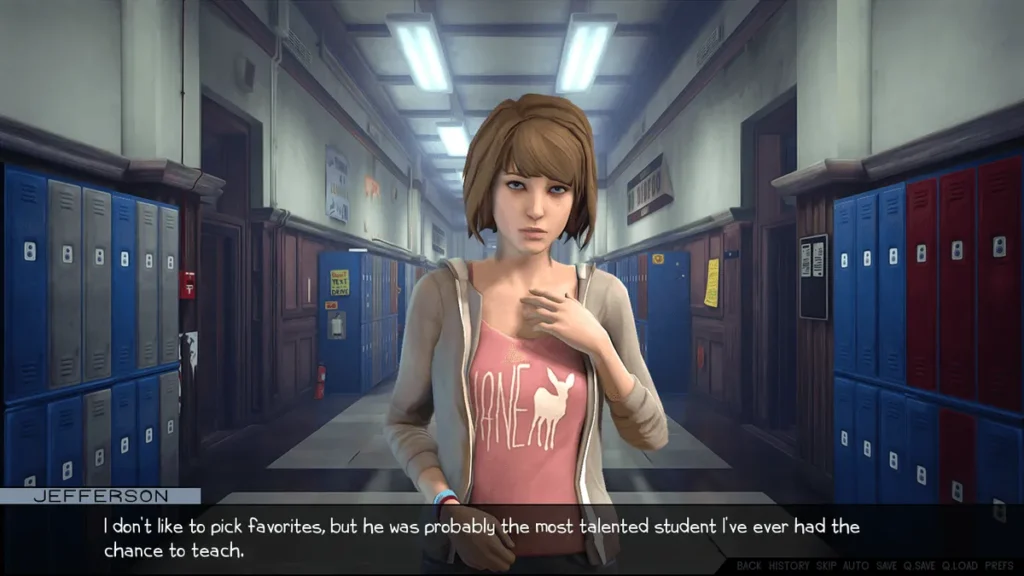
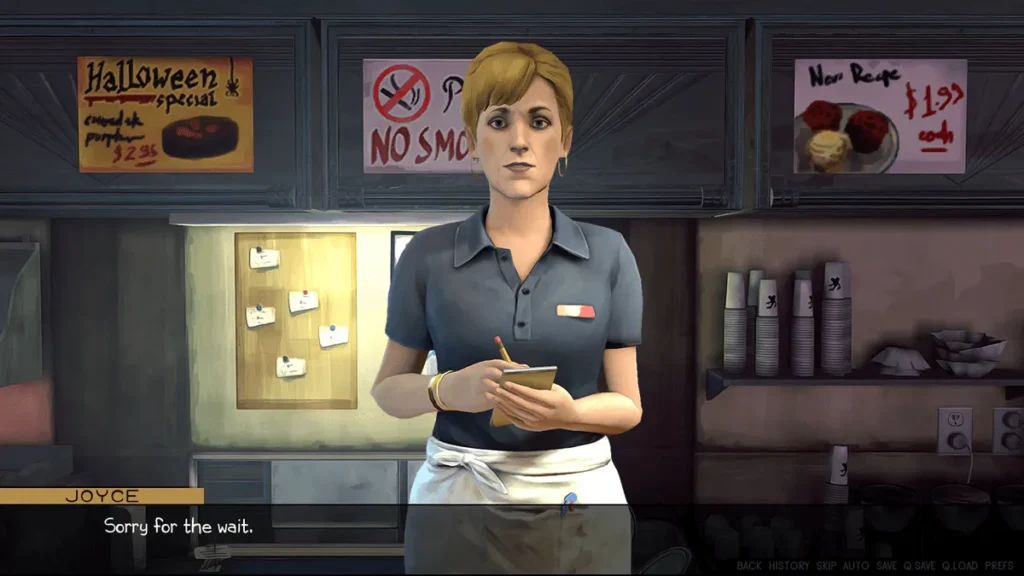
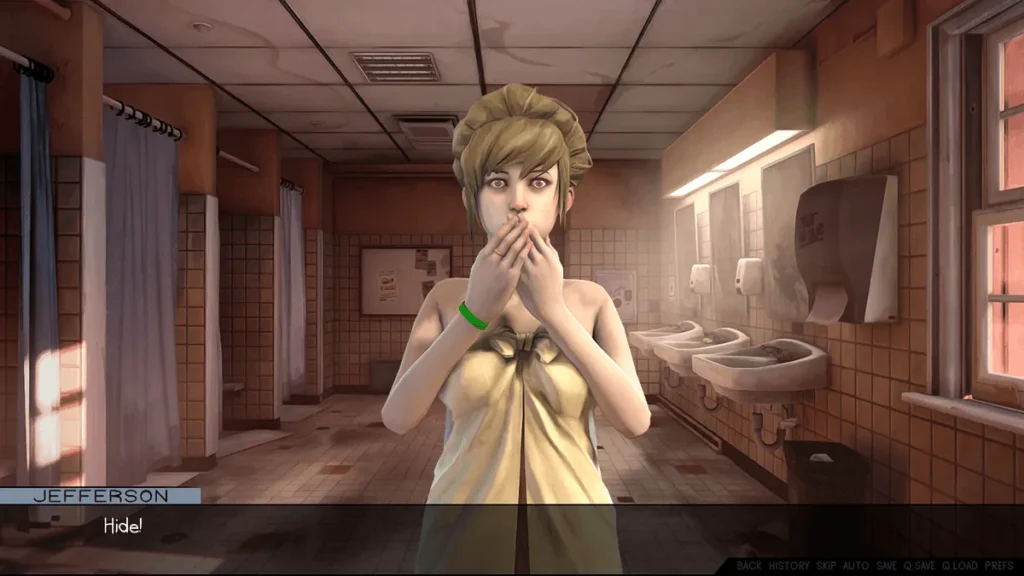
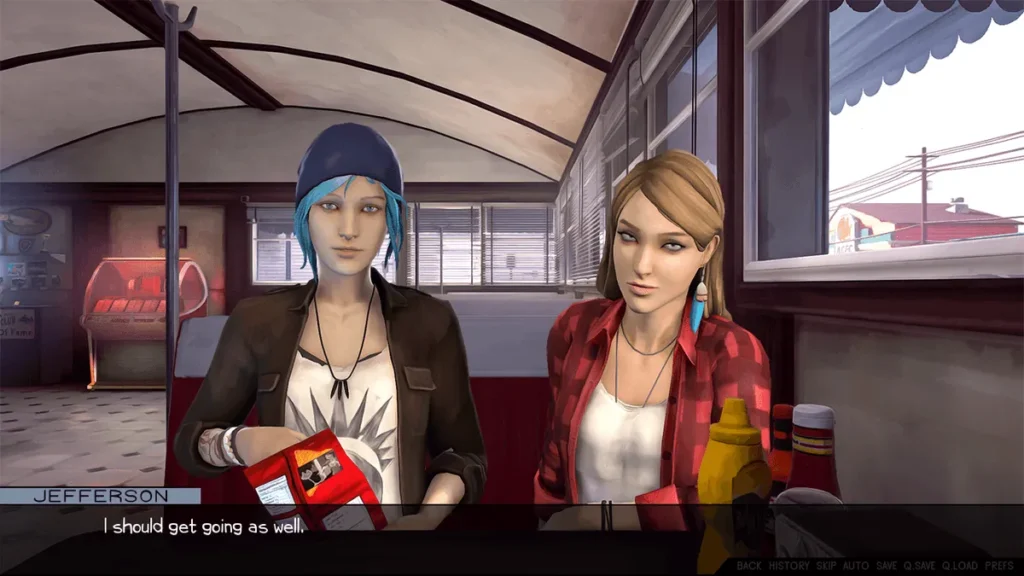
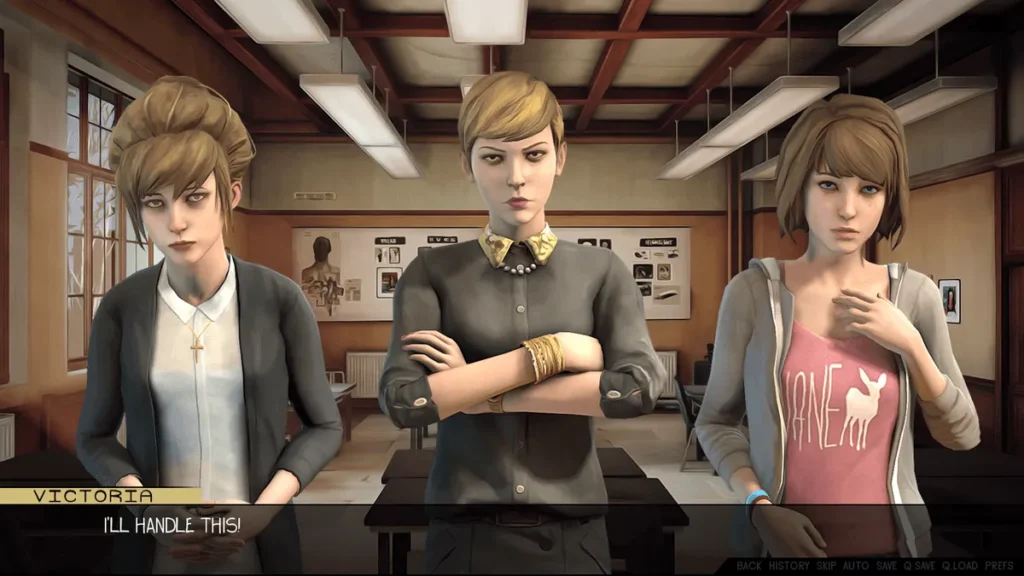
Strange Nights review
Everything you need to know about gameplay, features, and storyline
Strange Nights stands out as a distinctive visual novel experience that combines narrative depth with interactive gameplay elements. This adult-oriented title has garnered attention for its unique storytelling approach, featuring a protagonist with supernatural abilities navigating complex relationships and moral choices. Whether you’re curious about the game mechanics, character development, or overall experience, this guide provides everything you need to understand what makes Strange Nights a notable entry in its genre. We’ll explore the gameplay features, technical specifications, and what players can expect from this evolving title.
Gameplay Mechanics and Features
Ever found yourself clicking through a story, feeling like a spectator rather than a participant? 🙄 I have. Many visual novels promise choice, but then funnel you down a single, predictable path. My first hour with Strange Nights was different. I made a seemingly small decision—to comfort a character instead of questioning them—and two episodes later, that moment echoed back in a way that genuinely surprised me. This isn’t just a story you read; it’s a world you shape through its deep and engaging Strange Nights gameplay mechanics. Let’s dive into exactly how it all works. ✨
Core Gameplay Elements and Interactive Systems
At its heart, Strange Nights is a masterclass in the modern visual novel format. It seamlessly blends a gripping, choice-driven narrative with interactive systems that keep your fingers and your brain engaged. The core loop is deceptively simple: read beautifully illustrated scenes, listen to immersive audio, and make decisions. But here’s where the magic happens—every choice carries weight.
The visual novel interactive choices are the backbone of the experience. You’re not just picking “Nice” or “Mean” responses. Dialog options are nuanced, reflecting curiosity, suspicion, flirtation, or authority. The game brilliantly hides a morality system behind natural conversations. You might think you’re just making small talk, but you’re actually building trust, planting ideas, or accidentally revealing your own secrets. The dialogue navigation is intuitive, with a clean interface. On touchscreen devices, you can often swipe to advance text, which makes reading feel fluid and natural.
Beyond dialogue, your interaction extends to the environment and other characters. You’ll examine items, decide where to go next, and choose how to spend your limited time each in-game “night.” This creates a wonderful pace where you’re constantly directing the flow of the story.
Pro Tip: Don’t rush through dialogues! Characters often drop subtle hints about their pasts or the world’s mysteries in casual lines. Skipping text might mean missing a crucial clue for a future puzzle or relationship check.
Here’s a quick checklist of the key interactive systems you’ll master:
- Branching Dialogue Trees: Your words directly alter character perceptions and story outcomes.
- Contextual Actions: Interact with objects in scenes to uncover hidden lore or useful items.
- Time Management: Choose which story threads to pursue each night, as some opportunities are fleeting.
- Stat Tracking: Hidden attributes (like Empathy, Cunning, or Supernatural Affinity) change based on your decisions, unlocking unique paths.
Now, a crucial part of understanding the Strange Nights gameplay mechanics is knowing it’s a multi-platform experience. Whether you’re on PC or mobile, the core is the same, but there are some nuances.
| Platform | Latest Version | Key Features & Controls |
|---|---|---|
| Windows | v1.5.2 | Full HD/4K support, keyboard/mouse controls, fastest load times, and often receives content updates first. |
| Mac | v1.5.1 | Optimized for Apple Silicon, trackpad gesture support, seamless integration with macOS. |
| Android | v1.4.9 | Touch-optimized UI with swipe controls, optional mobile data saving mode, and cloud save support. |
Character Development and Relationship Dynamics
If the choices are the bones of Strange Nights, then the characters are its beating heart. 🫀 The character relationship system is incredibly nuanced, moving far beyond a simple “like/dislike” meter. Each major character has multiple layers of connection with you: Trust, Affection, and Fear. Your actions influence these hidden metrics independently.
For example, helping a character solve a personal problem might boost their Trust dramatically, while a flirtatious comment might nudge Affection. However, if you later use your supernatural abilities to intimidate them, their Fear of you will rise, which can completely change how they interact with you, even if they still Trust you. This creates fantastically complex relationships. Someone might be terrified of your power but trust you to protect them, leading to some of the most tense and interesting scenes in the game.
This system is the engine behind the Strange Nights episode progression. As you move from one episode to the next, the game checks the state of your relationships to determine which scenes play out, who is available to help you, and even who might become an antagonist. I learned this the hard way. In one playthrough, I neglected a side character early on, thinking they weren’t important. Several episodes later, when I desperately needed an ally, they refused to help, and I faced a much more difficult supernatural powers gameplay challenge alone.
Building these relationships isn’t just about picking the “correct” dialogue option. It involves:
* Consistency: Characters remember if your actions match your words.
* Gift-Giving: Mini-games and exploration can yield items characters love (or hate!).
* Conflict Resolution: How you handle arguments can strengthen bonds more than constant agreement.
* Shared Activities: Successfully partnering in mini-games boosts camaraderie.
This deep character relationship system ensures that no two players will have the exact same narrative experience, making subsequent playthroughs genuinely fresh and rewarding.
Mini-Games and Progression Mechanics
Just when you’re settled into the rhythm of the story, Strange Nights expertly weaves in interactive challenges. This isn’t gimmicky padding; each mini-game is diegetic—meaning it exists within the story world. You might play a matching puzzle to sort through magical artifacts, a rhythm-based sequence to calm a chaotic spirit, or a stealth segment to navigate a dangerous area unseen.
This is where a Strange Nights mini-games guide mindset helps. While they are diverse, they all serve the narrative. Failing a mini-game doesn’t mean a “Game Over” screen; it means the story adapts. Maybe you get caught, take damage, or miss a crucial item, forcing you to find another, perhaps more dangerous, solution. This keeps the tension high and the story moving forward.
Fortunately, the developers understand that not everyone plays for the challenge. A brilliant skip functionality is available for every mini-game after your first attempt. This is a huge win for accessibility. If you’re purely here for the story or find a particular puzzle frustrating, you can bypass it without penalty to the narrative. It’s a respectful design choice that puts the player in control of their experience.
Your progression through the Strange Nights episode progression is gated by both story choices and your success (or strategic failure) in these sequences. Completing them often yields resources, improves relationships, or unlocks new abilities in the supernatural powers gameplay system. Ah yes, the powers! 🪄 This is a standout feature. As the protagonist, you gradually unlock and master otherworldly abilities. Using them isn’t just a matter of clicking a button. You might need to solve a quick puzzle to focus your energy, or choose how to use a power during a tense conversation, draining a limited resource pool.
Finally, let’s talk about the reward for your exploration: the Strange Nights scene gallery. This isn’t just a static collection of images. It’s a beautifully organized archive of every major story scene, character pose, and special event you’ve unlocked. It’s fully animated and includes the dialogue from that moment. What makes it exceptional is that it’s branched. You can see the different paths a single conversation could have taken based on your choices, which is a fantastic tool for completionists who want to see every outcome without replaying entire episodes. Unlocking scenes here often requires specific relationship levels or discovering hidden items, tying this gallery directly back to your engagement with all the core mechanics.
From the subtle pressure of a timed dialogue choice to the strategic use of a ghostly whisper, the Strange Nights gameplay mechanics are designed to make you feel empowered and implicated in its supernatural world. It proves that interactive storytelling can be deep, accessible, and wildly entertaining all at once. Whether you’re here to unravel every mystery, romance every character, or just lose yourself in a great tale, the game’s systems are there to support—and challenge—you every step of the way.
Strange Nights offers a compelling experience for players interested in narrative-driven visual novels with interactive choice systems. The game combines supernatural storytelling with character-driven relationships, allowing players to shape outcomes through their decisions. With regular updates adding new episodes, characters, and content, the title continues to evolve and expand its narrative scope. Whether you’re drawn to the gameplay mechanics, the developing storyline, or the character interactions, Strange Nights provides a substantial experience across multiple platforms. The availability on Windows, Mac, and Android ensures accessibility for various players, while the ongoing development suggests continued growth and refinement of the game’s features and content.