A Summer’s End – Hong Kong, 1986
Play A Summer’s End – Hong Kong, 1986
A Summer’s End – Hong Kong, 1986 Screenshots

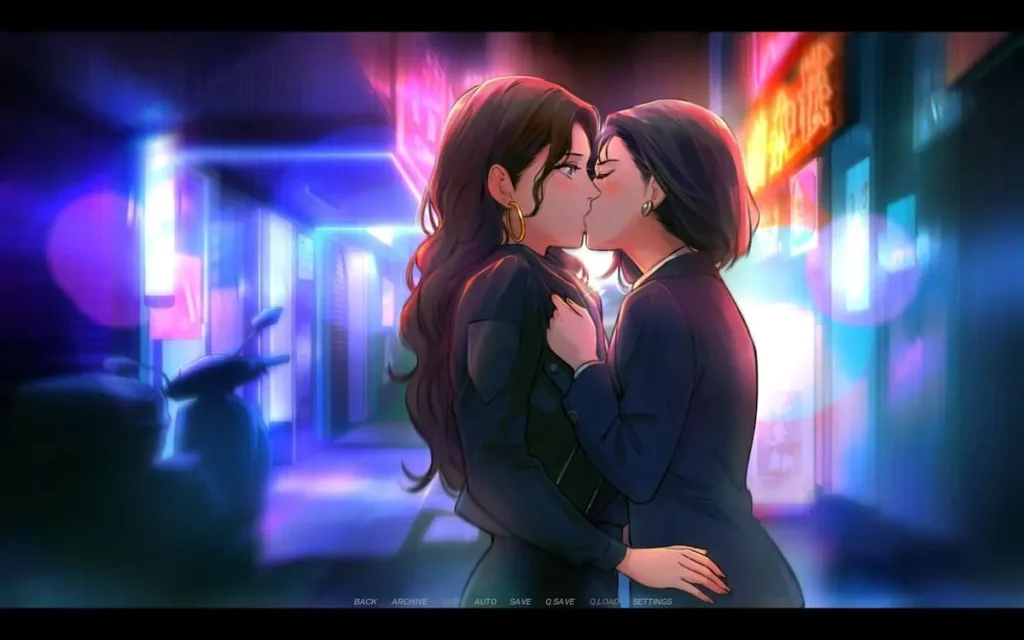



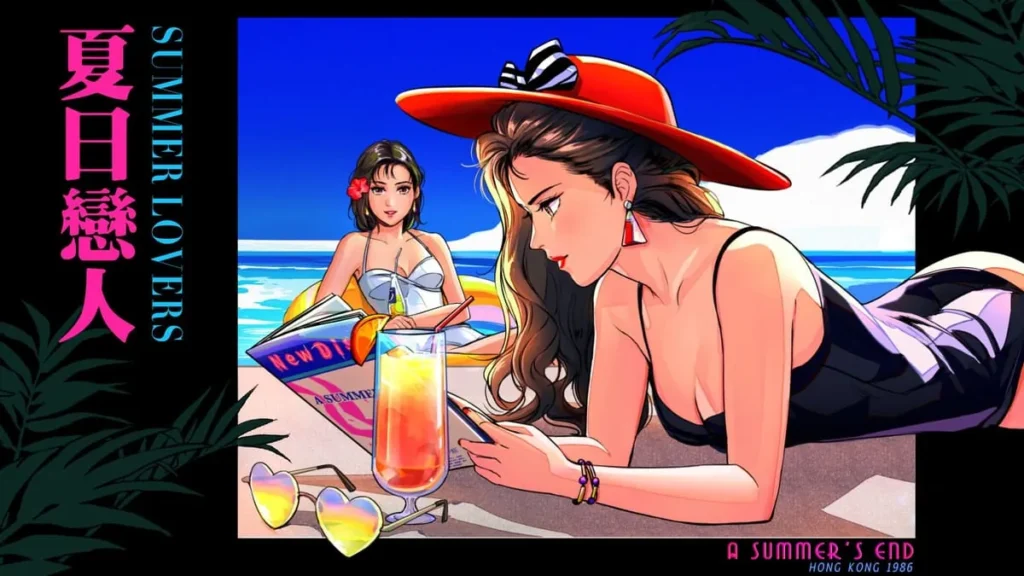


A Summer’s End – Hong Kong, 1986 review
Explore the Captivating Visual Novel Romance in 1980s Hong Kong
Imagine stumbling upon a hidden gem that whisks you back to the neon-lit streets of 1986 Hong Kong, where two women navigate love amid cultural shifts. That’s A Summer’s End – Hong Kong 1986, a stunning visual novel that captured my heart on my first playthrough. I remember late nights choosing dialogues that deepened Michelle and Sam’s bond, feeling the tension of tradition versus desire. This game blends lush 1980s anime-inspired art with a poignant story of romance, identity, and family. Whether you’re a visual novel fan or drawn to Hong Kong’s vibrant history, dive into this tale of chance meetings turning into profound connections. Let’s uncover why it’s a must-play.
What Makes A Summer’s End – Hong Kong 1986 Unforgettable?
I remember the first time I booted up A Summer’s End – Hong Kong 1986. It was a dreary, rain-streaked evening, and within minutes, the pixelated glow of my screen was replaced by the neon-drenched streets of 1980s Hong Kong. The synth-pop soundtrack, the detailed artwork of a city buzzing with life—I wasn’t just playing a game; I was utterly transported. That’s the magic of this Hong Kong visual novel game. It’s less an interactive story and more a vivid, emotional postcard from a specific time and place, one that lingers long after the credits roll. So, what exactly is A Summer’s End game that makes it so unforgettable? Let’s dive in. ✨
Who Are Michelle and Sam in This Hong Kong Tale?
At the heart of this 1986 Hong Kong romance are two women whose lives couldn’t be more different, yet are destined to collide. To understand what is A Summer’s End game about, you have to understand its protagonists.
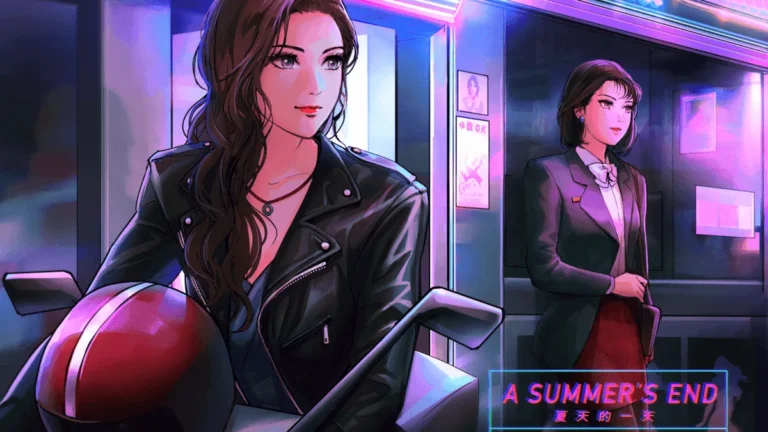
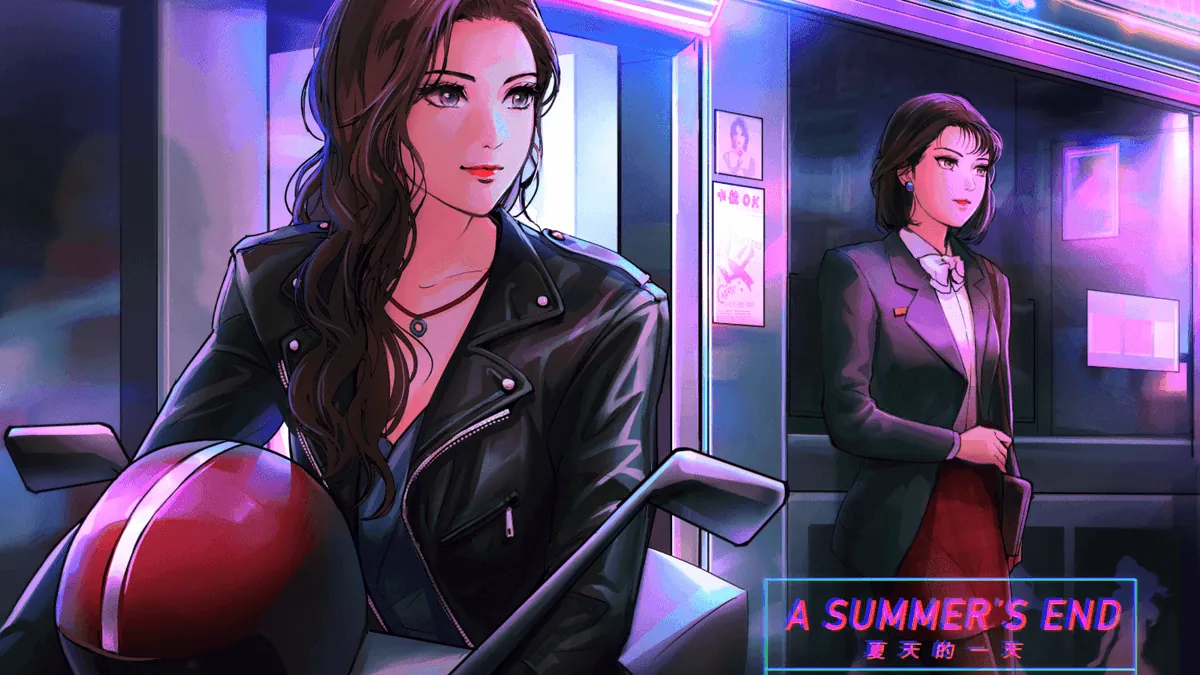
Michelle is a young office worker, the picture of traditional filial duty. She lives with her mother, follows a strict routine, and feels the immense weight of family expectations pressing down on her future. Her world is one of order, obligation, and subtle repression. Then there’s Sam. A free-spirited entrepreneur running her own video rental store, Sam embodies a new, independent Hong Kong. She’s confident, openly queer, and lives life on her own terms.
Their meeting is the kind of serendipitous moment that defines the best romance stories. A broken heel on a rainy night, a chance offer of help—from this simple, almost cinematic encounter, a delicate connection begins to form. The Michelle and Sam story isn’t about grand, sweeping gestures, but about the quiet, profound moments in between. It’s in the hesitant conversations over tea, the shared glances in a crowded nightclub, and the struggle to bridge the vast gap between their two worlds.
The beauty of these A Summer’s End characters lies in their authenticity. Michelle’s internal conflict—between her growing feelings and her deep-seated duty to her family—is palpable. Sam’s patience and vulnerability, often hidden behind her cool exterior, make her equally compelling. You’re not just watching a romance; you’re navigating the delicate process of two people learning to be truly seen by one another.
How Does the 1986 Setting Shape the Romance?
You can’t separate the Michelle and Sam story from the city and year it inhabits. 1986 Hong Kong is not just a backdrop; it’s a vital character in its own right. The game masterfully uses this specific moment in time—a Hong Kong caught between its colonial past and an uncertain future, buzzing with economic energy and cultural flux—to amplify every emotion.
The setting directly fuels the central conflict. Michelle represents the old guard, the conservative Chinese values of family and propriety. Sam represents the new, Western-influenced ideals of individualism and personal freedom. Their romance is a microcosm of the larger cultural clashes happening in the city’s streets, boardrooms, and homes. The societal pressures on women, the unspoken rules about relationships, and the quest for personal identity are all magnified by the era.
And my goodness, does the game make you feel that era. The art team poured their hearts into recreating the aesthetic, and it shows in every frame. Here are just a few of the standout visual elements that make this visual novel Hong Kong setting so immersive:
- Backgrounds: Meticulously hand-drawn scenes of bustling night markets, smoky mahjong parlors, tranquil temples, and neon-lit harbor fronts. You can almost smell the street food and feel the humid night air.
- Character Designs: Inspired by 80s anime and Hong Kong cinema, the designs are stylish and full of personality. From Michelle’s conservative office wear to Sam’s casual, trendy outfits, their clothing tells a story of its own.
- Animations: Subtle, lifelike animations bring scenes to life—the flicker of a neon sign, rain trickling down a window, characters shifting their weight in conversation. It’s these details that sell the illusion.
- Cinematic Inspiration: The visual language directly homages the moody, atmospheric shots of Wong Kar-wai films and the vibrant energy of 80s city pop album covers.
- Color Palette: A stunning use of neon pinks, blues, and purples against moody nighttime shadows, perfectly capturing the electric, melancholic vibe of the city.
This commitment to authenticity in the 1986 Hong Kong romance setting does more than set the mood; it provides the very stakes for the love story. Every choice Michelle makes feels heavier because you understand the world she’s risking.
Why Choose This Visual Novel Over Others?
The visual novel Hong Kong scene has many gems, but A Summer’s End – Hong Kong 1986 occupies a unique space. In a genre often filled with fantasy, school settings, or sci-fi, this game offers a grounded, adult, and culturally rich narrative that feels both personal and historically significant.
Its storytelling focuses on real-world themes of identity, love, and family with a maturity that’s deeply refreshing. The interactive elements are elegantly simple yet impactful. You guide Michelle through key dialogue choices, with a subtle point system influencing her relationship with Sam and unlocking poignant bonus scenes that deepen your understanding of both women. Your journey culmin in one of two powerful endings, both feeling earned and true to the characters’ paths.
But where it truly stands out is in its emotional depth and authenticity. This isn’t a story that could be set anywhere else. The pain, the joy, the tension—it’s all filtered through the unique lens of 1986 Hong Kong. It’s a love letter to a specific time, a specific city, and the universal struggle to find where you belong.
To see how it stacks up, let’s look at a comparison with a couple of other well-regarded indie visual novels in the romance space:
| Feature | A Summer’s End – Hong Kong 1986 | Highway Blossoms | Heart of the Woods |
|---|---|---|---|
| Primary Setting | 1986 Hong Kong (Historical, Urban) | American Southwest (Road Trip, Adventure) | Modern Rural Finland (Supernatural, Fantasy) |
| Core Themes | Cultural identity, family duty, self-discovery | Adventure, healing from loss, new beginnings | Mystery, supernatural bonds, acceptance |
| Art Style & Assets | 400+ hand-drawn assets, 80s anime/cinema style | Painterly, stylized landscapes | Anime-style, detailed character sprites & CGs |
| Endings | Two distinct, narrative-driven endings | Single, conclusive narrative ending | Multiple endings with route choices |
As you can see, A Summer’s End Hong Kong 1986 carves its own niche with its historical specificity and cultural narrative. It’s for the player who wants romance intertwined with a sense of place and history.
Ready to start your own journey to 1986? Here’s my best advice for your first playthrough of this incredible Hong Kong visual novel game:
Tip 1: Embrace the Vibe. Don’t rush. Put on headphones, let the city pop soundtrack wash over you, and really look at the artwork. Soak in the atmosphere—it’s half the experience.
Tip 2: Listen to Michelle. Pay attention to her inner monologue. Her fears and desires are the compass of the story. Choose dialogue options that feel true to her character in the moment, whether that’s cautious or bold.
Tip 3: Explore Everything. When given the option to “Look around” or examine objects, do it! These moments often provide rich environmental storytelling and deepen your connection to the world.
Tip 4: Play Authentically. For your first run, avoid guides. Make the choices that feel right to you and live with the consequences. The emotional impact is greater when the story feels like your own.
Tip 5: Reflect. After you reach an ending, take a moment. Think about the journey of these A Summer’s End characters. The story’s power often settles in during the quiet after.
Ultimately, A Summer’s End – Hong Kong 1986 is unforgettable because it’s a perfect fusion of heart and history. It offers a portal to a lost moment, a tender romance that feels earned, and a cast of characters who stay with you. It’s more than a game; it’s an experience, a beautiful, melancholic, and ultimately hopeful snapshot of a summer that had to end, but whose warmth you’ll remember forever.
Reliving A Summer’s End – Hong Kong 1986 feels like a warm summer breeze through Hong Kong’s bustling streets, where Michelle and Sam’s story reminds us that love often blooms in unexpected moments. From its breathtaking art to heartfelt dialogues and dual endings, this visual novel masterfully weaves romance, culture, and self-discovery. My own journey through its choices left me reflecting on personal freedoms long after. If you crave an emotional escape into 1980s nostalgia, grab it on Steam or itch.io today. Replay for those hidden scenes—what path will you choose next?