
Teen Zombie in Your Cabin
Play Teen Zombie in Your Cabin
Teen Zombie in Your Cabin Screenshots
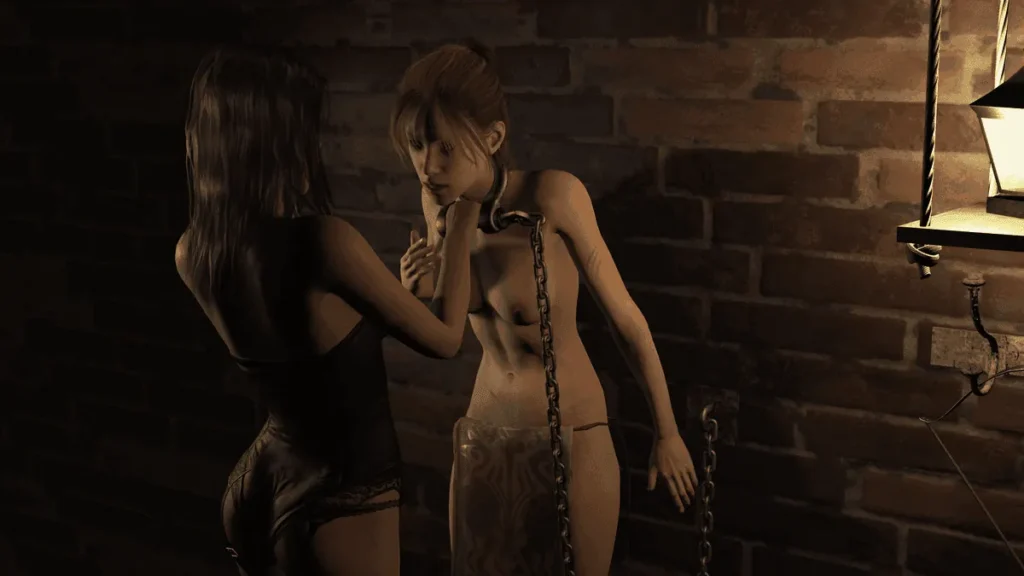
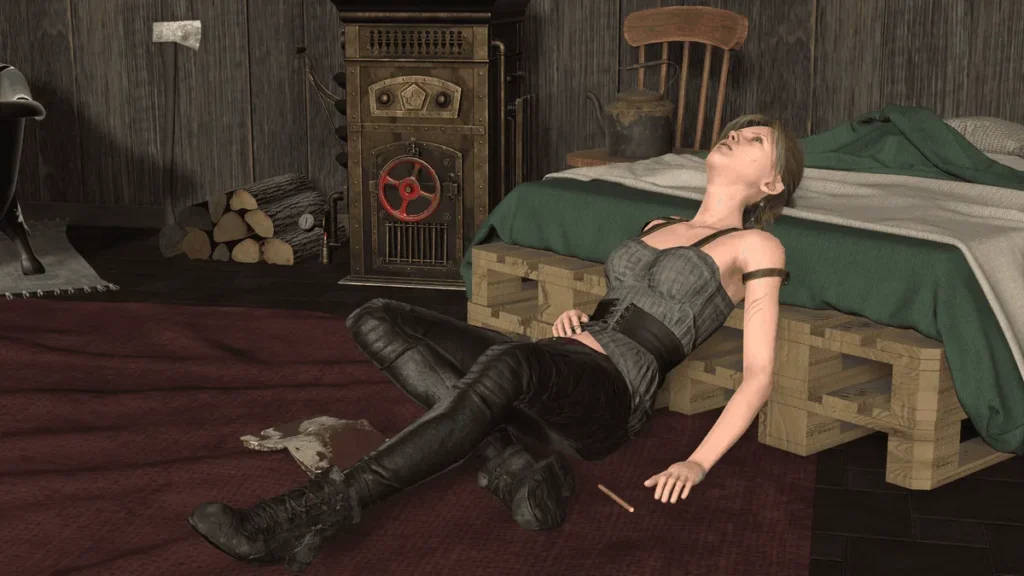
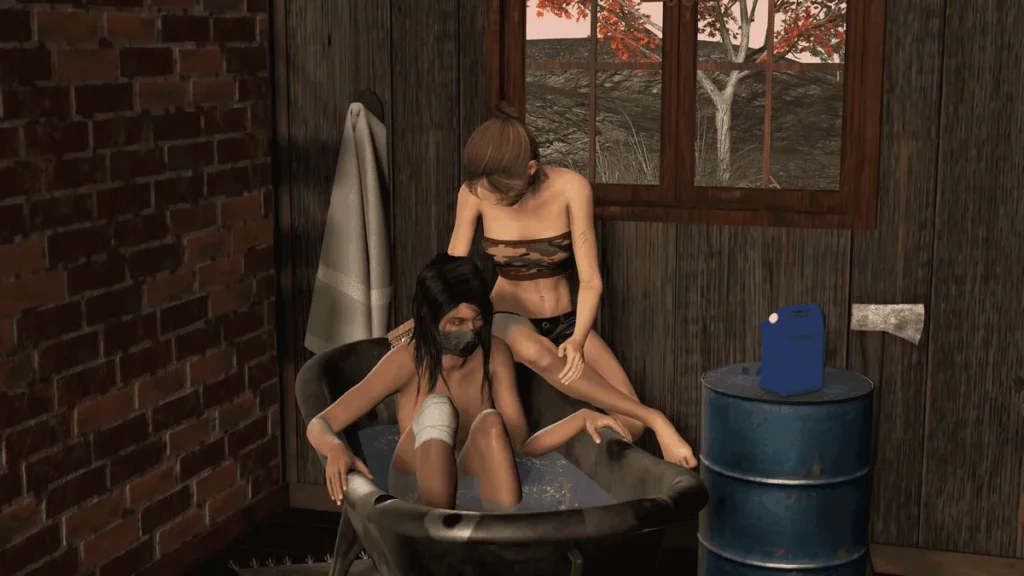
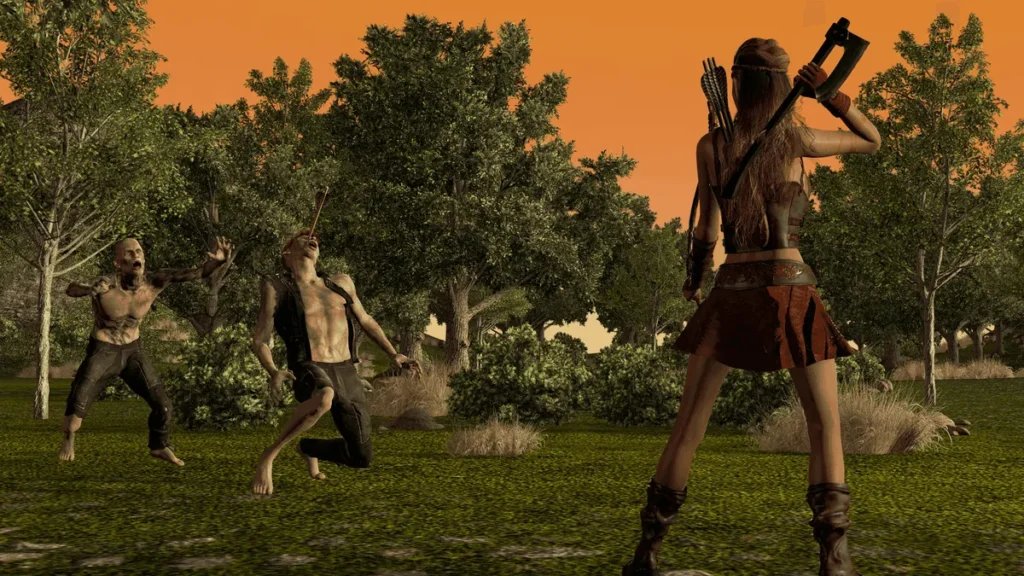
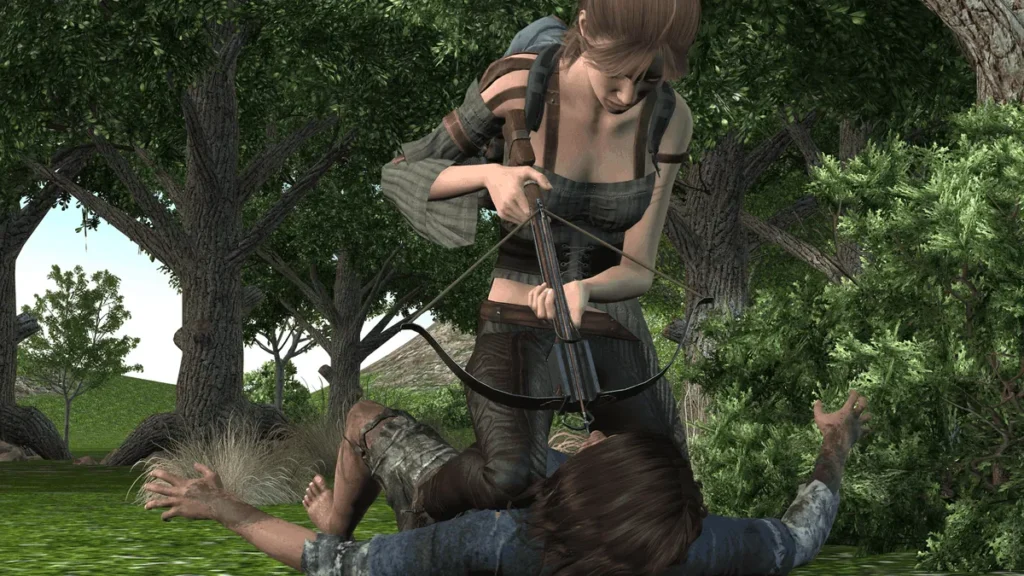
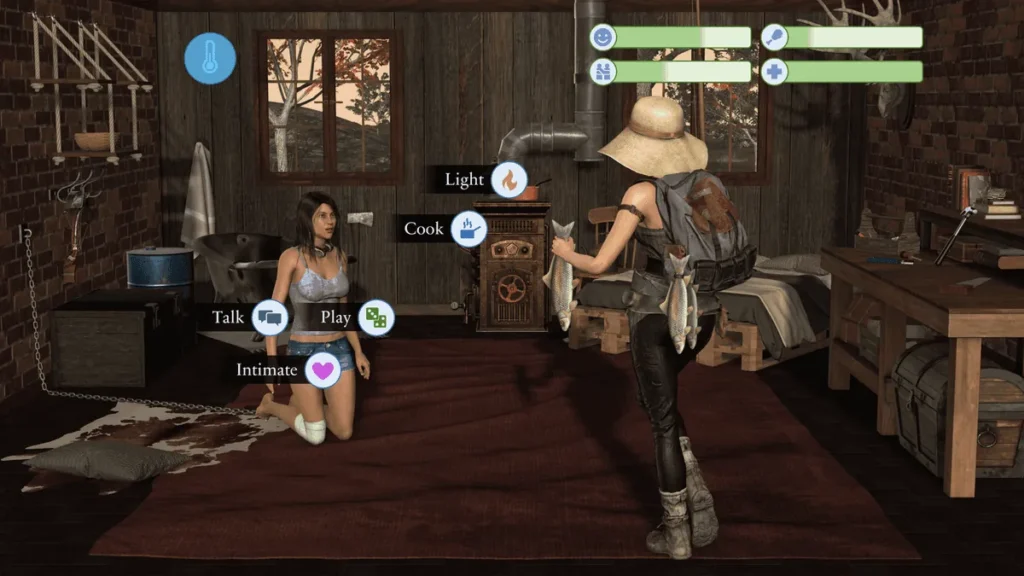
Teen Zombie in Your Cabin review
Discover the emotional post-apocalyptic adventure of nurturing a young undead companion
Imagine stumbling upon a young zombie in the woods after years of solitude in your cabin— that’s the gripping hook of Teen Zombie in Your Cabin. This post-apocalyptic visual novel blends survival management, emotional roleplay, and mature interactions as you shelter and humanize her. I first played it during a late-night session and was hooked by the moral choices and tender moments amid the undead chaos. From teaching her basic skills to managing scarce resources, every decision shapes your unlikely bond. Dive into this unique game where compassion clashes with survival instincts, offering multiple endings that kept me replaying for hours.
What Makes Teen Zombie in Your Cabin Uniquely Captivating?
I remember finding Teen Zombie in Your Cabin during a particularly lonely stretch of time. 🍂 The world outside felt quiet in a way that was unnerving, and booting up this post-apocalyptic zombie game felt less like an escape and more like a strange, resonant echo. Here was a story that began with profound isolation—a survivor, three years into the collapse, holed up in a woodland cabin—and I instantly understood that feeling of just… waiting. But this game had a twist I never saw coming, one that completely redefined my idea of a zombie survival visual novel.
That twist, of course, is the young undead girl you find in the woods. She’s not a mindless monster; she’s semi-lucid, a flicker of awareness behind her eyes. The monumental choice to bring her inside, to shelter and care for her, is the heart of the entire experience. This isn’t a story about survival against the undead; it’s a story about survival with one. The core journey of Teen Zombie in Your Cabin is the patient, fragile process to humanize the zombie girl, and it’s one of the most captivating narrative adventures I’ve played.
How Does the Post-Apocalyptic Story Unfold?
So, what is Teen Zombie in Your Cabin at its core? It’s a daily life simulator set against a backdrop of decay. Your routine is split between managing very real threats and tending to your unusual charge. 🪵 You’ll scavenge for supplies, fortify your cabin against the elements and occasional raids, and make tough calls on resource allocation. Do you use those precious medical supplies on yourself after a scrape, or save them for a potential relapse she might have?
The Teen Zombie in Your Cabin story grows through your interactions. You can teach her simple tasks, play records on an old phonograph, or just sit together in silence. Every action feeds into a nuanced relationship system. Her mood isn’t just a meter; it’s shown through subtle animations and dialogue fragments. Feed her only scavenged meat, and she might grow more agitated and feral. Spend time on calming activities like drawing or listening to gentle music, and you might be rewarded with a soft, mumbled word—a shard of her former self.
The world-building is masterfully drip-fed. You’ll uncover memory fragments—not through lengthy exposition, but through items you find. A tattered school ID, a broken music box, a faded family photo. These pieces let you, and by extension your character, reconstruct the person she was. Even the stellar soundtrack plays a role, shifting from lonely acoustic guitar to haunting, distorted versions of lullabies that hint at a deeper, darker conspiracy behind the outbreak. This isn’t just a story about now; it’s an archaeological dig into a lost past.
Why Do Players Keep Coming Back for More?
The genius of this post-apocalyptic zombie game is that no two playthroughs feel the same. The replayability is enormous, driven by systems that create a unique story every time. 🌱
- Procedural Dangers: The world doesn’t wait for you. A randomized event system means one game might hit you with a brutal early winter storm, forcing you to choose between warmth and food. Another might see raiders attack just as your companion is having a bad day, creating a desperate, chaotic scenario.
- Nuanced Relationship Building: The bond you build, that undead companion bond, is incredibly sensitive. Did you scold her for breaking something? She might retreat into herself for days. Did you successfully calm her during a frenzied episode? Your trust level might secretly jump. It feels less like managing stats and more like tending to a very delicate, complex being.
- Randomized Lore: The conspiracy notes and news clippings you find are shuffled. One playthrough might suggest a corporate lab leak, while another points to a government bioweapon. This means your character’s understanding of why the world ended—and why your companion is the way she is—changes each time, influencing your roleplay and moral choices.
The central moral dilemma is constant and personal. When she has a “bad day”—a relapse into mindless hunger—do you hide it, fearing others would see only a monster? Or do you risk seeking help from the rare, wary survivor you might encounter, hoping for a cure but risking everything? This choice is the emotional pivot of the entire Teen Zombie in Your Cabin story.
What Are the Multiple Endings You Can Achieve?
This brings us to the crown jewel of the experience: the multiple endings in Teen Zombie Cabin. Your journey isn’t about reaching one “true” ending; it’s about discovering what your specific story, with your choices and your care, ultimately means. The final act is shaped by a series of critical decisions you make regarding her condition and your place in the world.
My first playthrough was a heartbreaking lesson. I became so focused on finding a “cure” that I pushed too hard, seeking out dangerous remnants of the old world. I neglected the simple, stabilizing routines she needed. In the end, I found a potential treatment, but the process was too traumatic. I achieved a “Tragic Separation” ending that left my survivor alone once more, haunted by what could have been. It was a powerful, bittersweet conclusion that felt entirely earned by my own well-intentioned mistakes.
The endings you can unlock are varied, each a profound commentary on your journey. To give you a clearer picture, here’s a breakdown of three major story branches:
| Story Branch | Key Choices & Focus | Emotional Outcome | Replay Value |
|---|---|---|---|
| Tragic Separation | Prioritize finding an external cure. Risk encounters with old-world factions. Often neglect daily stability for long-shot goals. | Loss, regret, or a pyrrhic victory. You may “save” her but lose the connection, or lose her entirely. | High. Motivates players to try a gentler, more present approach next time. |
| Bittersweet Cohabitation | Accept the new status quo. Focus on safety, routine, and small joys. Fortify your isolation from the outside world. | A quiet, resilient peace. You’ve built a fragile but real life together in the ruins, protecting your unique bond. | Medium. Often seen as the “true” ending, encouraging exploration of riskier paths. |
| Shared Fate | Embrace the connection completely, blurring the lines between human and undead. Make choices that prioritize the bond over your own humanity. | Unsettling unity. You find a new, twisted form of family, but at a significant, irreversible personal cost. | Very High. The most dramatic divergence, radically changing the story’s final tone and implications. |
Actionable Advice for Your First Days in the Cabin
Want to avoid my early mistakes and build a strong foundation for that undead companion bond? Here’s what I wish I knew: 🛡️
Your first week is about stability, not progress. Don’t worry about deep lore or big discoveries.
- Scavenge Smartly: Focus on the basics first—canned food, bottled water, and basic medical supplies. Avoid risky areas until you’ve established a safe stockpile.
- Establish a Routine: Consistency is key to her mood. Try to structure your days with a mix of a calming activity (like drawing), a practical chore she can observe (repairing tools), and quiet rest.
- Listen to the Environment: The sound design and music are guides. A shift in the soundtrack often precedes an event. A sudden silence outside might be more dangerous than a groan.
- Don’t Hoard Everything: It’s tempting to save that special item “for later.” Use some of your finds on her. Playing that clean cassette tape or offering a rare piece of candy can trigger significant memory fragments and strengthen your bond faster.
Why This Game Stands Out in a Crowded Genre
In a sea of games about shooting zombies, Teen Zombie in Your Cabin asks a revolutionary question: What if you cared for one? 🕊️ It stands out not through action, but through profound empathy and emotional weight. It humanizes the monster not by making her less of a zombie, but by making you care more about the person trapped inside.
It transforms the zombie survival visual novel into a vehicle for exploring themes of grief, responsibility, and the very definition of personhood. The multiple endings ensure that your personal philosophy directly shapes the narrative’s conclusion. You’re not just playing a post-apocalyptic zombie game; you’re nurturing a story, day by delicate day, and discovering what kind of hope, if any, can grow in the darkest soil. That is the unique, unforgettable magic of this experience.
In Teen Zombie in Your Cabin, the blend of raw survival, heartfelt rehabilitation, and mature explorations creates an unforgettable journey that lingers long after the credits. From my own sessions, the game’s emotional depth and tough choices turned a simple sheltering premise into profound storytelling. Whether you’re managing resources, decoding memories, or forging bonds, it challenges what humanity means in a broken world. Ready to test your compassion? Download the full version today, dive into this woodland refuge, and see which ending fate hands you—your next playthrough awaits.