
Stranded in Space
Play Stranded in Space
Stranded in Space Screenshots

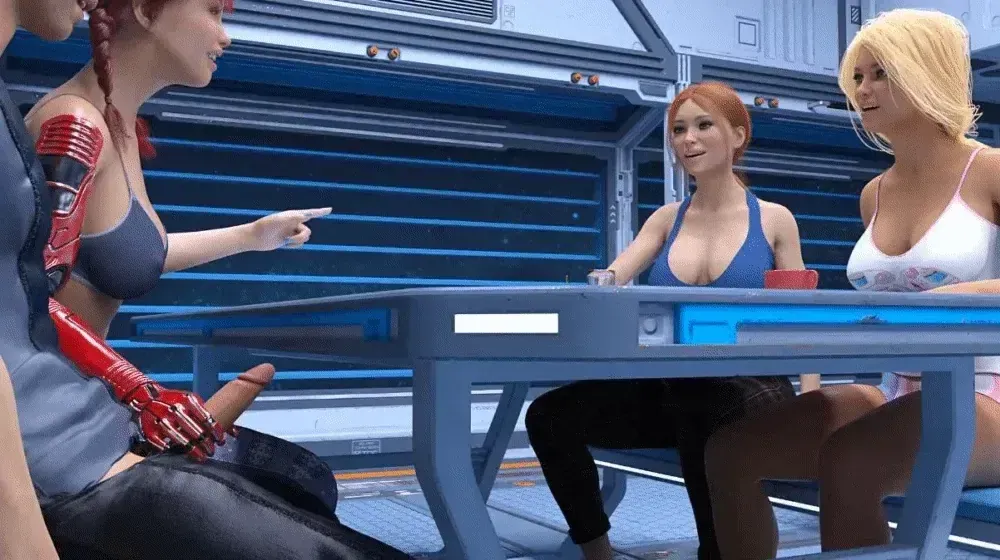







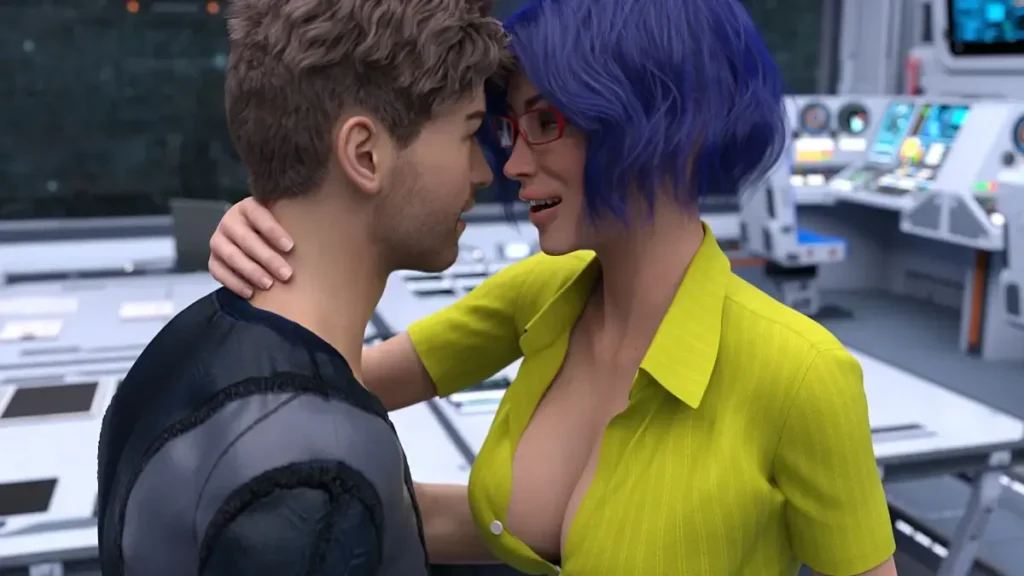


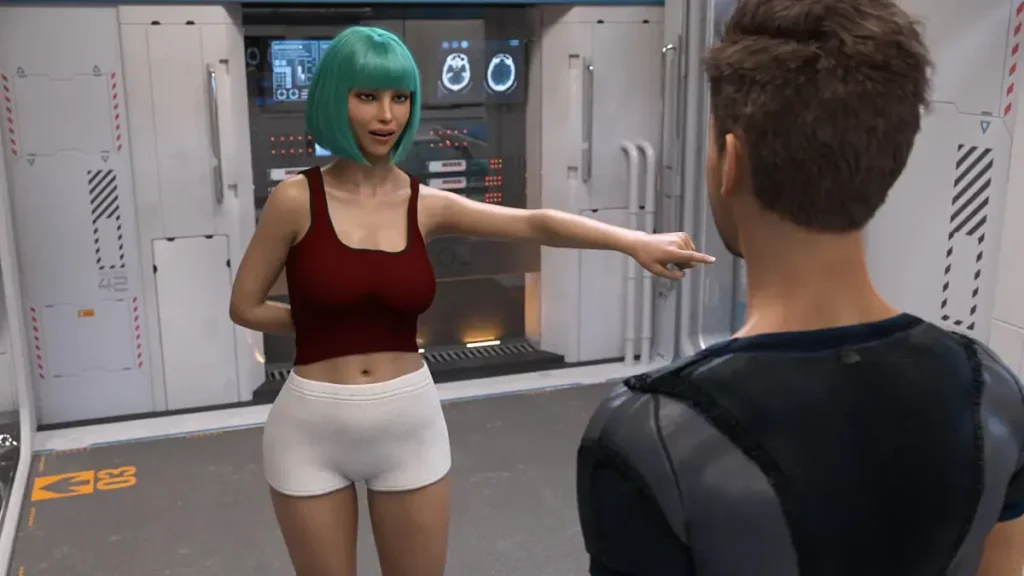

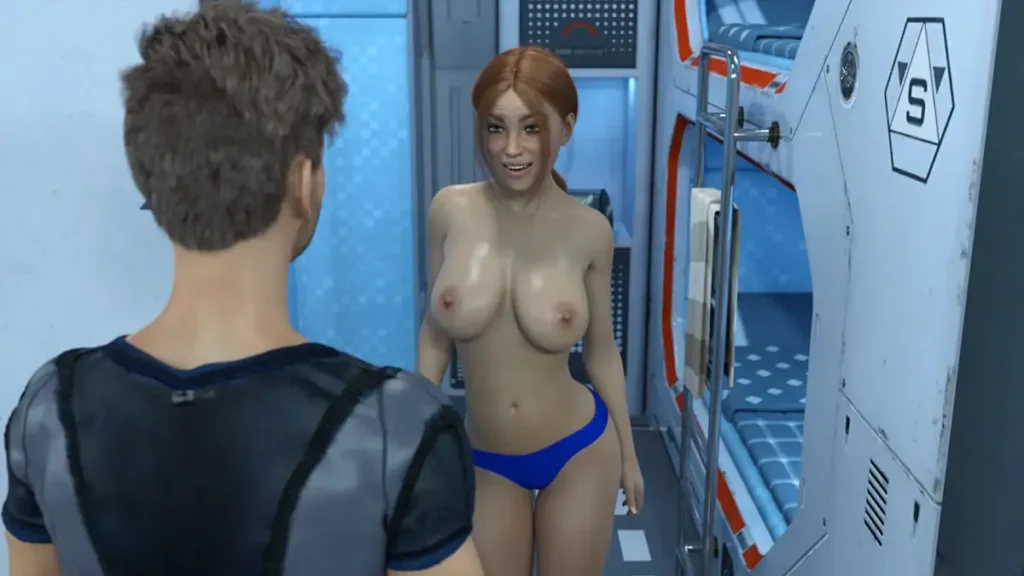

Stranded in Space review
Explore survival, seduction, and steamy encounters in this captivating space adventure
Imagine waking up stranded on a distant spaceship, surrounded by alluring crewmates, with survival and desire hanging in the balance. That’s the thrilling hook of Stranded in Space, the adult game that’s got players hooked for hours. I’ve lost count of the nights I’ve dove into its sci-fi world, balancing resource management with intimate interactions that feel surprisingly organic. This guide dives deep into what makes this title stand out— from its narrative depth to those pulse-pounding encounters. Whether you’re new to the game or replaying for more unlocks, stick around for tips that’ll elevate your experience and help you uncover every secret.
What Makes Stranded in Space So Addictive?
I remember firing up Stranded in Space for the first time, expecting a quick, steamy romp. Five hours later, I was still fully clothed, completely invested in a sarcastic AI’s existential crisis, and meticulously planning my next move in a deceptively tricky puzzle. 🤯 I was hooked, not just by the promise of adventure, but by the brilliantly constructed machine that keeps you clicking “Next Day.” So, what’s the secret sauce? What makes this space adventure so utterly moreish? Let’s break down the core Stranded in Space gameplay loops that transform a simple premise into a captivating timesink.
Why the Storyline Keeps You Coming Back
At its heart, the Stranded in Space story is your classic sword-and-sorcery tale—just swap the dragon for a damaged spaceship and the enchanted forest for the cold vacuum of space. 🚀✨ You’re the hero, your crewmates are your party, and each new sector is a dungeon full of narrative treasures and interpersonal traps. The genius is in its consistent, witty tone. The writing has this organic, comedic flow that never takes itself too seriously, yet makes you genuinely care about this band of misfits.
My Stranded in Space review of the narrative structure would highlight its clever pacing. The early game has a distinct “daily lecture” feel. You wake up, check in with the crew, tackle a main task, and unwind. This structure is the backbone of Stranded in Space daily progression. It creates a comforting rhythm, making the vastness of space feel manageable, even cozy. You’re not overwhelmed with a hundred map markers; you’re living one day at a time on a broken ship.
For instance, by day three in my playthrough, the routine was set: coffee with the ever-grumpy engineer, a mandatory systems check with the AI (who was developing a worrying interest in poetry), and then the day’s main event—maybe fixing the oxygen scrubbers or, more excitingly, helping a crewmate with a personal project. This dialog-heavy approach means every interaction builds the world and your relationships. And the best part? Once the main story arc concludes, the game opens up into a free-roam mode. You can finally check all those tantalizing laptops, trigger leftover scenes, and tie up romantic loose ends without the pressure of the plot. It’s a reward for your patience, answering the common question, “how long is Stranded in Space?” with a wink: “As long as you want it to be.”
Balancing Puzzles and Progression: Tips for Success
If the story is the heart, the puzzles are the brain of the operation. The Stranded in Space puzzles are, for the most part, fabulous little logic tests and mini-games that break up the talking. However, I’ll be the first to admit some concepts can feel complicated at first glance. This isn’t a game that holds your hand through every circuit board repair or chemical mixing sequence.
The crown jewel of these distractions is undoubtedly the Stranded in Space Umiko photo hunts. 🎯📸 These are brilliant because they tap into that classic adventure-game feeling of scrutinizing every pixel of a scene. But they can also halt your Stranded in Space daily progression dead if you get stuck staring at a corner of the engine room for 20 minutes. My actionable advice? Don’t overthink them. Treat them like a relaxing scavenger hunt, not a final exam. The reward is usually a charming character moment with Umiko, which is its own prize. It’s about the effort/reward balance—similar to puzzle design in games like Subverse, where the fun is in the engagement, not just the solution.
Here’s a quick breakdown of the main puzzle types you’ll encounter:
| Puzzle Type | Difficulty | Reward | Pro Tip |
|---|---|---|---|
| Umiko Photo Hunts | Medium (Observation) | Character Scenes, Affection | Use the zoom function! Check backgrounds and reflections. |
| System Repair Mini-games | Variable (Logic/Timing) | Story Progression, Resources | Pause and plan your wire connections or component placements first. |
| Dialogue Choice Challenges | Easy/Medium (Social) | Relationship Points, Alternate Scenes | Save before big conversations. Character knowledge is key. |
| Resource Management | Low (Planning) | Unlock Options, Craft Items | Check character requests daily; they often give the best returns. |
The key to success is to embrace them as part of the daily rhythm. Hit a wall on a tough puzzle? Move on with your day, chat with a crewmate, and come back later with fresh eyes. The game rarely punishes you for taking your time.
How Daily Choices Shape Your Adventure
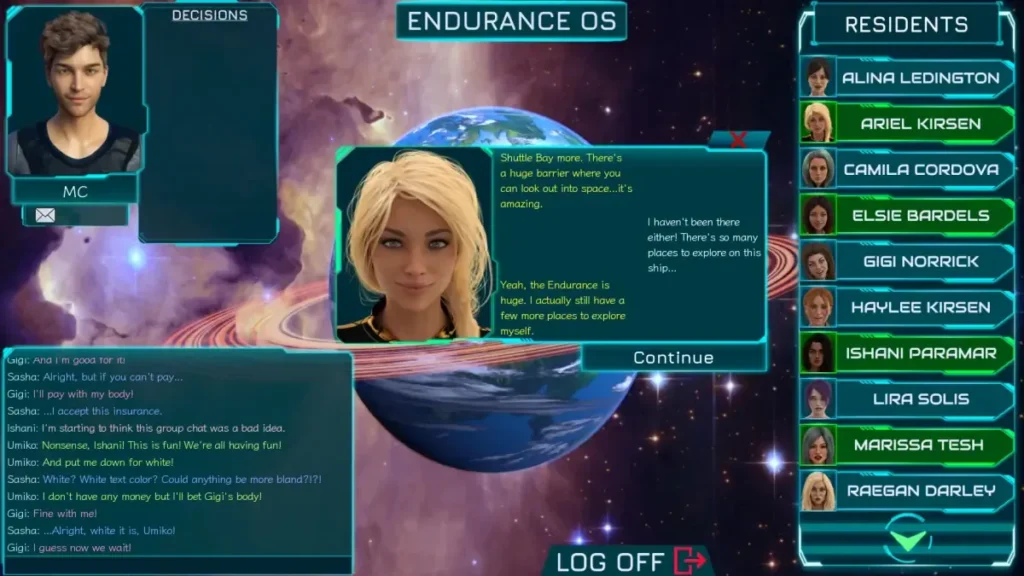
This is where the magic truly happens. Stranded in Space gameplay is built on the foundation of choice. Every day presents a menu of small decisions: who to talk to, how to respond, which personal mission to help with. These aren’t just moral binaries; they’re social investments. ✨❤️
Building relationships with your dozen-odd crewmates feels organic. You help the shy botanist with her alien plant, you share a drink with the off-duty security officer, you listen to the medic’s worries. These moments build affinity, and that’s when the game pays you back with random, intimate scenes that feel earned, not scripted. They pop up naturally in the flow of your day—a private moment in the observatory, a confession in the hallway. It’s this multiplier effect, with so many potential sidekicks, that gives the game incredible replay value. You can’t see everything in one go, and that’s by design.
The initial 5+ hours might feel a bit “on rails,” introducing you to the systems and the cast. But trust me, it opens up. Those early days are about laying the groundwork. Once you’re past that point, your Stranded in Space daily progression becomes a personalized tapestry of your choices. Did you focus on engineering, making you the go-to for fix-it jobs? Or did you become the ship’s counselor, unlocking deeper emotional arcs? The story adapts, scenes unlock based on who you’ve bonded with, and the ship starts to feel like your home.
So, why is it so fun, even when some elements could be called straightforward or clinically presented? Because it’s a masterclass in player engagement. It combines a compelling Stranded in Space story with satisfying brain-teasers and a relationship system that makes you feel seen. It understands that seduction isn’t just about steamy encounters; it’s about the slow burn of conversation, the trust built through shared tasks, and the joy of making a broken starship feel like a home. That’s the ultimate achievement of this captivating space adventure.
FAQ: Your Stranded in Space Questions, Answered
Are the puzzles too hard?
Not inherently! Some require observation (like the photo hunts), while others need logic. The key is patience. Use a walkthrough if you’re truly stuck—the story is worth the minimal friction.Does the story open up later, or is it linear?
Absolutely! The first several hours establish the routine and characters. After the main story climax, the game opens into a free-roam “epilogue” mode where you can explore all remaining side content and character scenes at your own pace.How long does a full playthrough take?
A single focused playthrough can take 5+ hours to complete the main story. To see a significant amount of content for multiple characters, expect to invest 10-15 hours or more. The free-roam endgame lets you extend this.Is the daily progression repetitive?
It’s structured, not repetitive. The “daily” framework provides rhythm, but the events, conversations, and choices within each day are constantly changing based on your progress and relationships, keeping it fresh.
Diving into Stranded in Space has been a wild ride—from those cleverly contrived narratives to the rewarding intimate moments with the crew. You’ve got the tools now to tackle puzzles, build relationships, and savor every day of your space odyssey. My own sessions taught me that patience unlocks the best paths, turning potential frustration into pure enjoyment. Ready to launch your own adventure? Fire up the game, make those bold choices, and see where your story strands you. Share your favorite moments in the comments—I’d love to hear how far you’ve roamed!