
Play Stellar Dream
Stellar Dream Screenshots
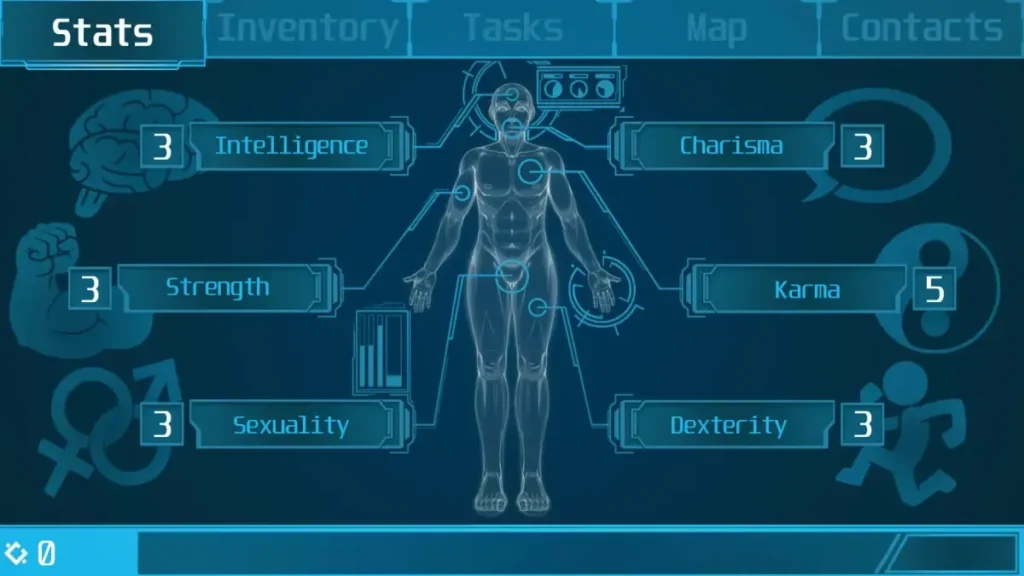



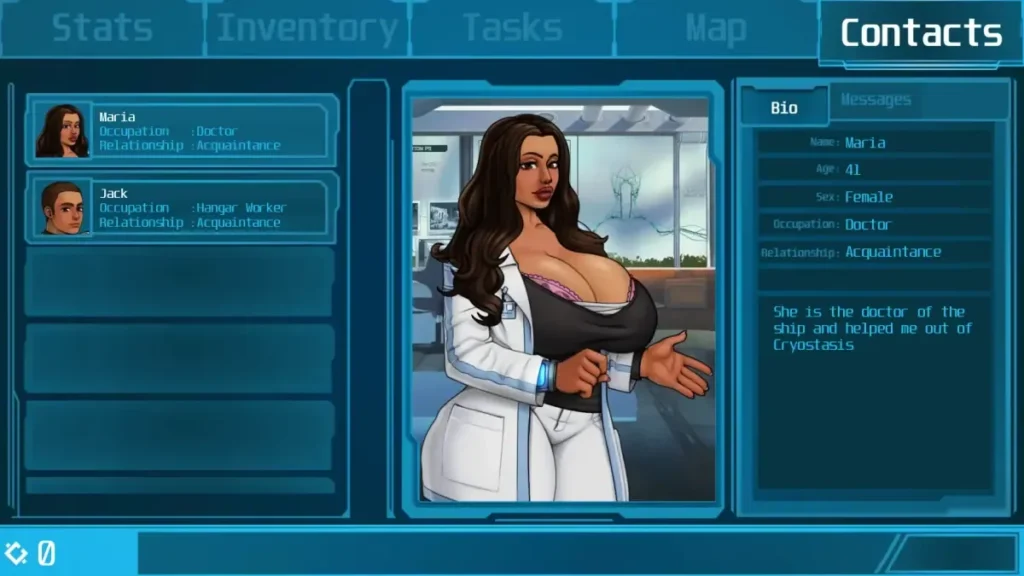



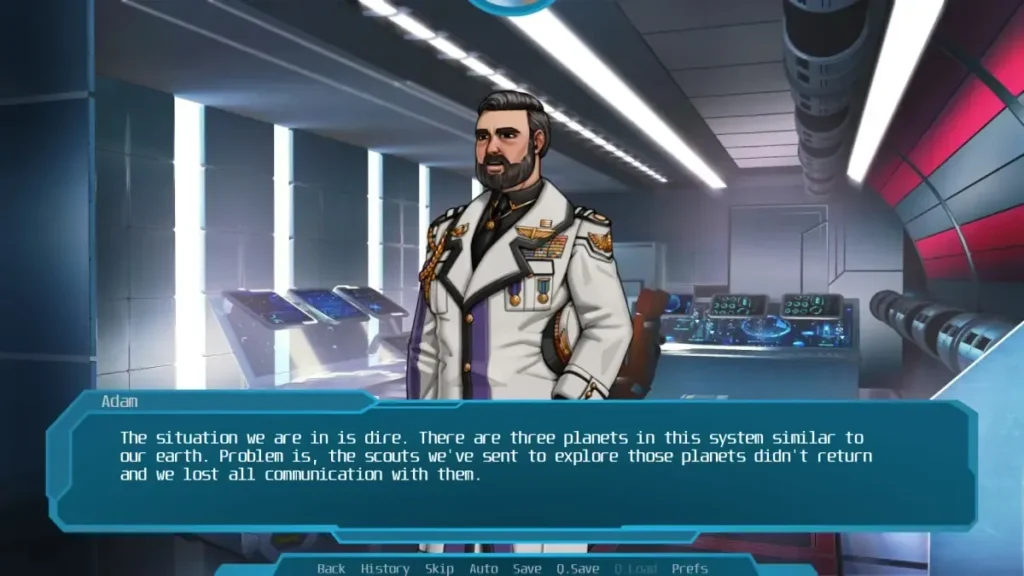




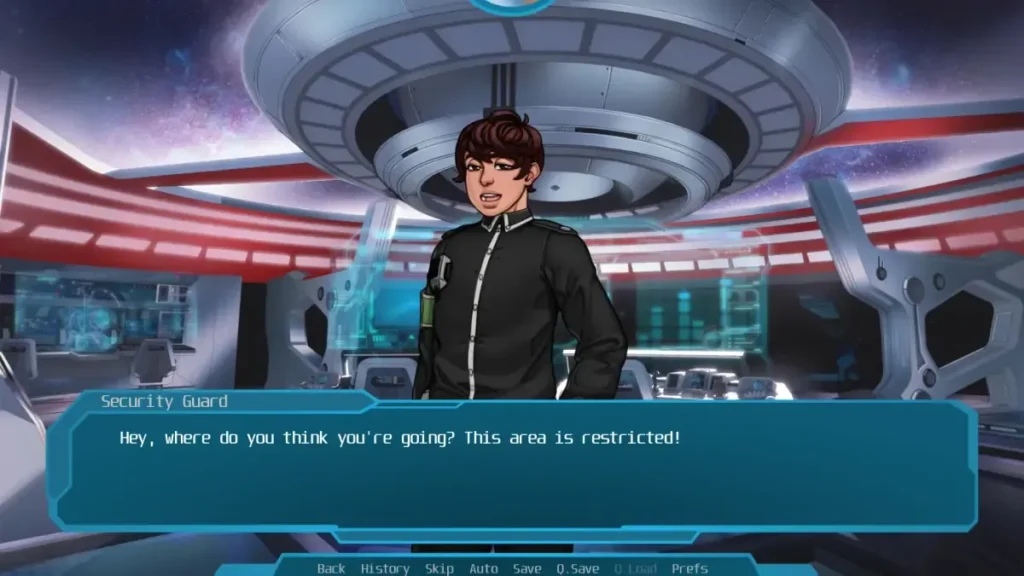
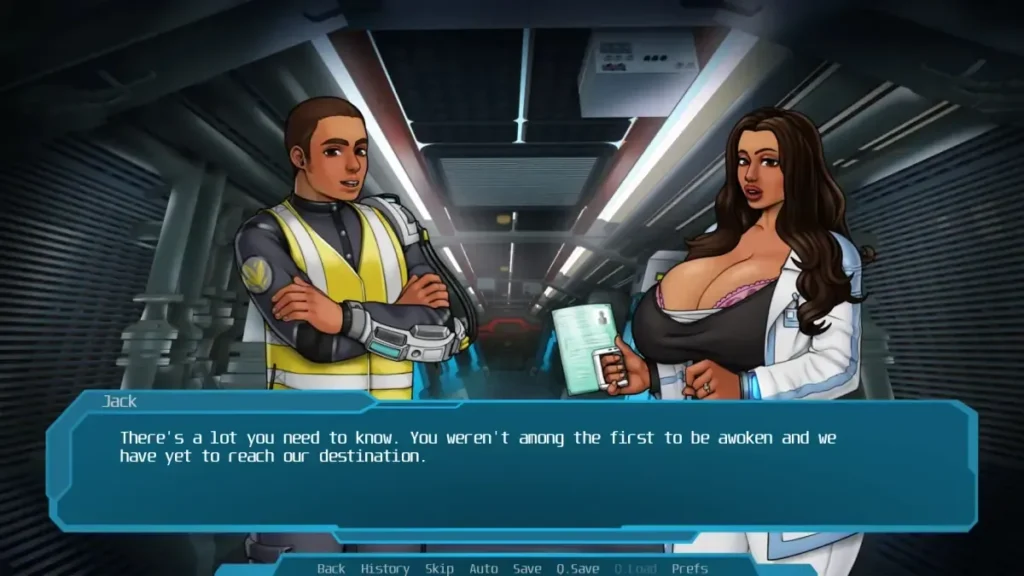
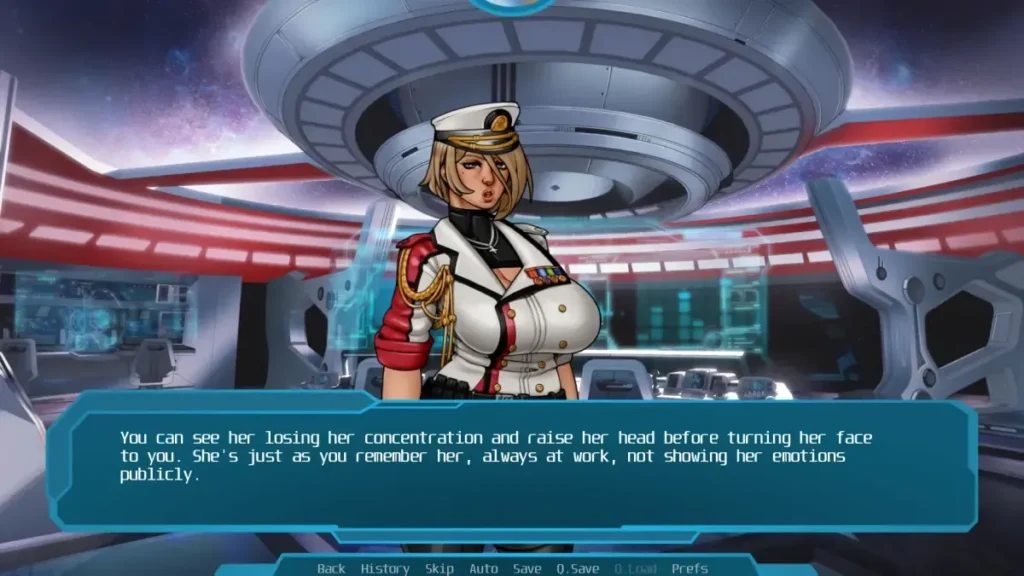
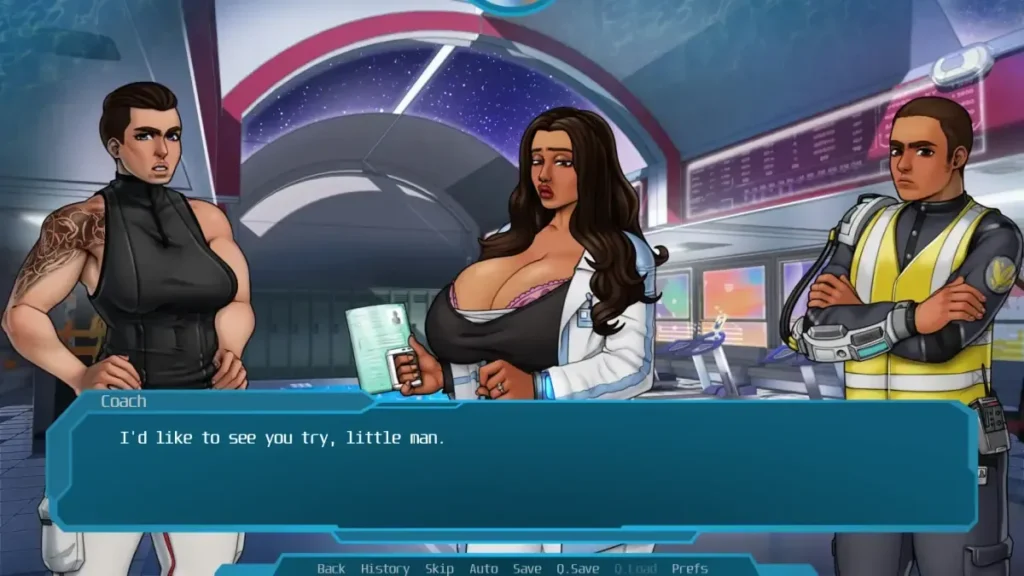
Stellar Dream review
Master narrative choices, character relationships, and strategic mechanics in this immersive sci-fi visual novel
Stellar Dream stands as an immersive narrative-driven experience that transports players to distant worlds aboard a colony ship on a desperate mission to save humanity. This sprawling visual novel combines rich storytelling with interactive gameplay, allowing you to shape your unique journey through meaningful choices and character relationships. Whether you’re exploring alien worlds, managing resources, or navigating complex moral decisions, Stellar Dream delivers hundreds of hours of engaging content with multiple endings and branching narratives. This comprehensive guide walks you through core mechanics, character dynamics, and strategic tips to maximize your experience in this captivating sci-fi adventure.
Understanding Stellar Dream’s Core Gameplay Mechanics
Welcome to the heart of the matter! 🚀 If you’ve just stepped onto the creaking deck of the Stardrifter with a head full of static and a past painted in shadows, you’re probably wondering what you’ve signed up for. Is this just a story, or is there a game here to master? Let me tell you, my first playthrough was a beautiful disaster—I ran out of fuel exploring a glittering nebula, accidentally insulted my engineer over a misinterpreted data log, and locked myself into a storyline so bleak it gave me space-chills. 😅
That experience taught me that Stellar Dream gameplay mechanics are a brilliant, interwoven tapestry. It’s not just a visual novel, and it’s not just a strategy game. It’s a delicate dance between who you want to become and whether you have the means to survive the journey. This chapter is your blueprint to mastering that dance.
The Foundation: Narrative Choice and Resource Management
At its core, Stellar Dream asks a deceptively simple question: who are you? As the amnesiac captain, every decision rebuilds your identity from scratch. But here’s the catch—your philosophical musings are tethered to a very tangible fuel gauge and a hull integrity meter. This is where the genius fusion of narrative choice visual novel and resource management strategy truly shines.
Think of it this way: every major story branch has a cost. Want to divert power to deep-range scanners to find a rumored precursor artifact on a distant moon? That’s 15 units of reactor coolant you won’t have for life support next cycle. Choosing to help a crewmate with a personal crisis might consume several hours of ship time, delaying critical repairs. The game never pauses one system for the other; they are in constant, tense conversation.
Your home, the Stardrifter, is a character in itself. Managing its systems isn’t a minigame—it’s the bedrock of your narrative agency. I learned this the hard way. Early on, I poured all my resources into upgrading the med-bay to save a wounded alien we found, which felt like the “good” choice. But it left my engines patched with tape and prayer. Two chapters later, when I needed to flee a corporate patrol, I couldn’t. The ensuing capture rerouted my entire story down a path of debt and obligation I never intended.
Pro Tip: Your first major choice between a Romance Path or a Corruption Path often stems from these resource dilemmas. Choosing to hoard a rare medicine for your crew versus selling it on the black market for desperately needed ship parts is a classic, gut-wrenching example.
This resource management strategy forces you to define your priorities. Are you a captain who puts people first, even at the expense of the mission? Or are you a pragmatist, willing to make hard sacrifices for the greater survival? The game tracks it all, and your ship’s condition is the most honest reflection of your choices.
Exploration and Discovery Systems
The alien world exploration in Stellar Dream is where the universe truly opens up, and it’s powered by one of my favorite tools: the Stellar Dream scanner system. This isn’t a simple “press button to highlight interactable object” gadget. It’s your primary sense organ on strange, new planets.
When you touch down on a bioluminescent fungal forest or a windswept metallic desert, your view is initially limited. Activating your scanner paints the world in a new light. Different wavelengths reveal different layers of information:
* Thermal scans might expose hidden geothermal vents (a potential power source) or the burrows of local fauna.
* Spectroscopic analysis can identify the chemical composition of rock formations, tagging valuable mineral deposits.
* Residual energy signatures are the big ones—they often lead to fragments of technology, wreckage from past civilizations, or echoes of events tied directly to your own lost memories.
The thrill of exploration comes from this active investigation. I remember scanning what looked like a mundane crystalline structure. The spectral readout showed anomalous quartz, which my science officer noted was often used by a lost race for data storage. A few dialogue choices and a careful excavation later, and I unlocked a massive chunk of backstory about an ancient war, which then gave me unique options in dealing with a modern faction descended from it. That’s the magic! The Stellar Dream scanner system turns every environment into a puzzle box of resources, story, and world-building.
But exploration is risky. Every planet consumes fuel, suit power, and time. Some environments have hazards that drain these resources faster. Do you spend an extra hour scanning the perimeter of that mysterious temple for hidden traps, using up valuable oxygen, or do you rush in, potentially triggering a crisis? The consequences of these exploration choices feed directly back into your ship’s resource management strategy. A successful haul can mean upgrades and security; a failed trip can strand you and force devastating narrative compromises.
Character Interaction and Relationship Building
Your crew on the Stardrifter isn’t just set dressing; they are the emotional engine of the entire experience. The character relationship building here is some of the most nuanced I’ve seen. It goes far beyond picking flirty dialogue options. Every character has their own goals, fears, and loyalties, which are revealed through multi-stage personal quests that you can choose to support or ignore.
The dialogue choice consequences are immediate and long-term. A throwaway line where you agree with your security chief’s cynical worldview might earn you their trust (+5 “Reliability” with Kaelen), but it could simultaneously disappoint your hopeful, young medic (-3 “Approval” with Dr. Aris). These aren’t just numbers ticking up in a menu. These values unlock or lock entire conversation branches, change how characters behave in crisis events, and determine who will ultimately stand by you when your toughest decisions come due.
For instance, on my corruption-leaning playthrough, I consistently sided with the morally flexible quartermaster in prioritizing profit. Over time, my engineer, who valued the ship’s sanctity, became withdrawn and eventually confronted me. Because our relationship was so low, I failed the persuasion check to calm her down. She mutinied, taking a key system offline at a critical moment. The dialogue choice consequences had literally changed the gameplay mechanics of a later chapter.
This is why the game practically begs you to use multiple save slots. A choice in Chapter 2 can butterfly into a completely different constellation of alliances and enemies by Chapter 6. Will your botanist share the secret of the alien fruit that could cure a plague? It depends entirely on whether you helped her recover her family’s data core three planets ago.
The two major trajectories—Romance and Corruption—are less about ticking boxes with one character and more about the overall ethical climate you foster on the ship. The Romance path focuses on deep, empathetic connections and collective trust. The Corruption path leans into power, control, and using others for survival. The table below breaks down how these paths manifest in key gameplay areas:
| Aspect | Romance Path Focus | Corruption Path Focus |
|---|---|---|
| Dialogue Choices | Empathy, teamwork, offering support, seeking consensus. | Pragmatism, intimidation, withholding information, demanding obedience. |
| Character Quests | Prioritizing crew personal goals, often at a resource cost. Resolving their emotional conflicts. | Using quests for personal gain, extracting promises or resources as payment for help. |
| Resource Allocation | Investing in crew comforts, medical bays, and communal spaces. Sharing finds openly. | Investing in security, interrogation suites, and private vaults. Stockpiling for yourself. |
| Ultimate Outcomes | Endings focused on found family, healing past traumas, and united futures. Success through loyalty. | Endings focused on personal power, wealth, or ruthless control. Success through domination. |
- Save Like a Paranoid Archivist: Before every planetfall and every major conversation, create a new save. The dialogue choice consequences are far-reaching, and you’ll want to experiment.
- Scan in Layers: On a new planet, don’t just do one broad scan. Move to different areas and use specific scan modes. That “mineral deposit” might be ore for selling, or it might be a cloaked entrance when viewed on an energy frequency.
- Listen to Your Crew: Their idle chatter and post-mission debriefs often contain hints about what to scan for on the next world or how to approach an upcoming diplomatic encounter.
- Balance Your “Bank”: Think of Ship Integrity, Fuel, and Crew Morale as three banks. A major decision should never drain one completely. Always keep a small reserve for emergencies.
- Embrace a First Playthrough Blind: Don’t reload for “perfect” outcomes initially. The most powerful Stellar Dream gameplay mechanics is how it makes you live with your mistakes, creating a uniquely personal story.
Mastering Stellar Dream isn’t about finding a single “best” build. It’s about understanding how your narrative desires and your logistical realities collide. It’s about knowing that a kind word can be as strategic as a full fuel tank, and that sometimes, the most valuable thing you can scan isn’t a resource node, but the pained expression on a companion’s face. Now, captain, the stars are waiting. What will you discover out there—and what will you discover about yourself? ✨
Stellar Dream delivers a compelling blend of narrative depth, strategic gameplay, and immersive visuals that rewards both casual players and completionists. From mastering the core mechanics of choice and consequence to building meaningful character relationships across multiple paths, the game offers hundreds of hours of engaging content. Whether you pursue the romance path’s loyal alliances or the corruption path’s unique powers, your decisions shape a truly personal story among the stars. The branching narrative system ensures that no two playthroughs feel identical, making each discovery rewarding and each choice meaningful. With its cinematic animations, complex character dynamics, and multiple endings, Stellar Dream stands as a standout title that respects player intelligence and time investment. Begin your journey today and explore every secret this captivating sci-fi adventure has to offer.