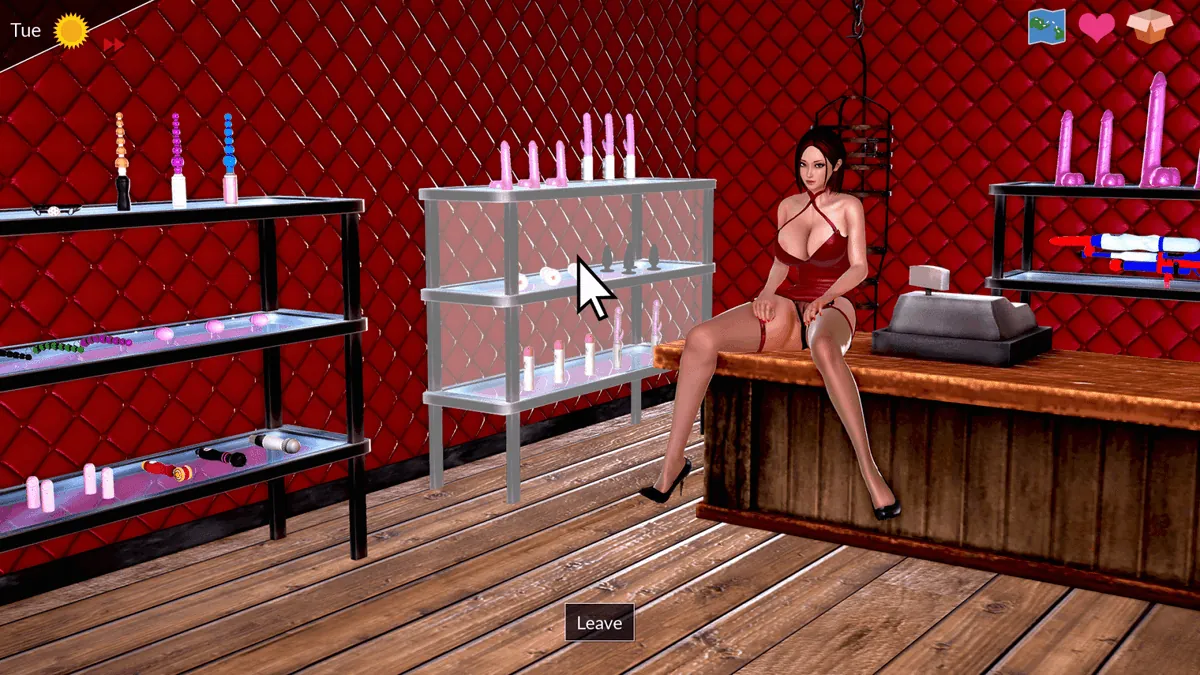
S.H.E.L.T.E.R. – An Apocalyptic Tale
Play S.H.E.L.T.E.R. – An Apocalyptic Tale
S.H.E.L.T.E.R. – An Apocalyptic Tale Screenshots










S.H.E.L.T.E.R. – An Apocalyptic Tale review
Master the post-apocalyptic visual novel with romance routes, survival mechanics, and branching storylines
S.H.E.L.T.E.R. – An Apocalyptic Tale stands out as a narrative-driven adult visual novel that immerses players in a post-apocalyptic world where every decision shapes your story. Released in November 2021 by Winterlook Games, this choice-driven experience combines deep character development, multiple romance paths, and a dynamic morality system that tracks your actions. Whether you’re exploring the ruins of civilization or building relationships with diverse survivors, the game challenges you to navigate survival mechanics while determining what kind of leader you’ll become. This comprehensive guide covers everything you need to know about gameplay mechanics, character routes, and strategic choices that influence your journey through this gripping apocalyptic narrative.
Gameplay Mechanics and Core Features of S.H.E.L.T.E.R.
So, you’ve stepped into the dusty, sun-bleached world of S.H.E.L.T.E.R. – An Apocalyptic Tale, ready to carve out your story amidst the ruins. Welcome, survivor. 🏜️ This isn’t a game where you just watch a story unfold; you live it, breath by anxious breath. Every whispered conversation, every scavenged can of beans, and every hard moral choice writes a page in your unique tale. The core of this experience lies in its masterful blend of tense survival and deeply personal narrative. To truly thrive, you need to understand the machinery under the hood. Let’s break down the essential S.H.E.L.T.E.R. gameplay mechanics that will define your journey from a scared survivor to a legend of the wasteland.
At its heart, this is a choice-driven narrative visual novel where your decisions are the most valuable—and volatile—resource you have. I remember my first playthrough, faced with a starving stranger outside our shelter’s gate. My medicine was low, my group was tired, and a simple “yes” or “no” felt heavier than any weapon. That single dialogue choice rippled out for weeks in-game, affecting trust, resources, and even who was willing to stand by me later. That’s the magic here: dialogue choices have real story consequences.
Before we dive deep, here’s a quick list of the core systems you’ll be mastering:
- The Narrative Web: Your choices shape the plot, character loyalties, and your own moral standing.
- The Survival Clock: Constantly manage food, medicine, tools, and ammo to keep your group alive.
- The Relationship Canvas: Every interaction paints your connection with a diverse cast of survivors.
- The Branching Path: Key decisions open or close entire story chapters, leading to vastly different endings.
Understanding the Choice-Driven Narrative System
Forget the idea of a linear story. In S.H.E.L.T.E.R. – An Apocalyptic Tale, the plot is a fragile thing, bending and branching with every decision you make. This is the epitome of a choice-driven narrative visual novel. The game doesn’t just offer you illusions of choice; it has a memory. That irritable comment you made to the doctor in Chapter 2? It might mean they hesitate to save your friend in Chapter 6. The extra ration you shared with the quiet scout? That could unlock a hidden loyalty mission later on.
Central to this is the dynamic morality system game. This isn’t a simple “good vs. evil” meter. Instead, the game tracks the nature of your decisions—are you pragmatic, compassionate, ruthless, or hopeful? These alignments affect how other characters perceive you. Act with consistent mercy, and certain survivors will open up to you, sharing their fears and secrets. Choose a path of cold, pragmatic efficiency, and you’ll earn the respect (and fear) of others, unlocking different dialogue options and solutions to problems. I learned this the hard way when my “ends-justify-the-means” approach in a bandit negotiation left my most compassionate ally refusing to speak to me for days, altering a key subplot.
The true genius is in the dialogue choices story consequences. You’re not just picking a tone; you’re often making strategic decisions disguised as conversation. A promise made to gain short-term safety can become a burdensome obligation. Asking the right (or wrong) question can reveal critical information or permanently shut down a line of inquiry. My advice? Listen more than you speak. Pay attention to character backstories and motives hidden in their words. Sometimes, the most powerful choice is to say nothing at all, and the game rewards that patience with unique narrative insights.
Survival Mechanics and Resource Management
While your heart is tangled in character dramas, your stomach will be growling. The survival mechanics resource management in S.H.E.L.T.E.R. is a constant, gnawing pressure that makes every narrative choice feel urgent and real. This isn’t a side activity; it’s the brutal context for every beautiful moment. You’ll be managing a slim inventory of essentials: Food, Medicine, Tools, and Ammunition. Run out of food, and your group becomes weak and irritable, making every other challenge harder. Lack medicine, and a simple infection from a scavenging run can turn into a life-or-death crisis.
The strategy comes in balancing immediate needs against future security. Do you use your last tools to fortify the shelter tonight, or save them to repair the radio tomorrow to call for help? Do you spend ammunition to hunt for more food, or conserve it for the inevitable defense against raiders? I made a classic rookie mistake: I used most of my early medicine to heal every minor scrap, only to face a severe illness outbreak with nothing left but prayers. It was a harsh lesson in triage.
To help you avoid my early failings, here are some foundational strategies for managing your most critical assets:
| Resource | Primary Use | Early-Game Conservation Tip |
|---|---|---|
| Food | Daily rations to maintain group health and morale. | Don’t ration too heavily initially—a hungry group is inefficient. Focus on securing a renewable source (like a garden plot) as a first major goal. |
| Medicine | Healing injuries, curing illnesses, and completing specific character tasks. | Use medicine only for serious conditions early on. Try to use character skills (e.g., having a medic companion) to treat minor ailments without consuming items. |
| Ammunition | Defense, hunting, and certain high-risk story options. | Prioritize silent or melee solutions to conflicts when possible. Ammo is best saved for unavoidable, dire threats. A single bullet can be worth more than a day’s food in a crisis. |
| Tools | Shelter repairs, crafting, and unlocking new areas. | Invest tools in projects that yield long-term benefits, like improving your shelter’s security or crafting a water purifier, rather than one-off fixes. |
Remember, your resources are also a currency in your character relationship building. Sharing your last medkit with someone isn’t just a gameplay expenditure; it’s a profound narrative act that will be remembered. 🩹❤️🔥
Character Development and Relationship Building
The soul of S.H.E.L.T.E.R. – An Apocalyptic Tale lives in its people. You’re not managing faceless units; you’re learning to trust, love, and sometimes clash with a cast of deeply written survivors, each carrying the scars of the old world. The character relationship building here is organic and nuanced. Relationships aren’t built by simply giving gifts or picking flirty dialogue options. They grow through shared hardship, demonstrated values, and keeping your word.
Each character has their own personality, trauma, and vision for the future. The stoic ex-soldier values strength and preparedness. The idealistic teacher holds onto hope and community. Your actions are constantly being evaluated through their unique lenses. Support their personal goals, defend their beliefs in arguments, and choose them for dangerous missions to build trust. This trust unlocks deeper conversations, personal quests, and, potentially, romantic routes that feel earned and deeply woven into the main story. I found that honestly discussing my own fears with the group’s mechanic, rather than always projecting strength, led to a surprising alliance that saved us all during a later supply run ambush.
This deep interpersonal system is the engine for the game’s incredible branching storylines multiple endings. Who you befriend, who you betray, who you romance, and who you fail—these relationships directly dictate which narrative paths are available to you. Aligning yourself closely with one faction of survivors might irrevocably alienate another, closing off entire chapters of the story and steering you toward a specific ending. My first ending was bittersweet, built on a foundation of pragmatic alliances. My second, fueled by a specific romance and a vow of protection, was defiantly hopeful, and it unlocked a final act I didn’t even know existed.
The replayability is staggering. You’re not just playing for “good” or “bad” endings, but for your ending—the culmination of the community you fought to build or the legacy you chose to leave. To see it all, you must engage fully: listen, share your scarce resources wisely, and let your heart guide you as much as your head. After all, in the aftermath of the end, what’s worth surviving for if not the connections we make? 🤝✨
So, venture forth. Manage your resources with a shrewd eye, but lead with your heart. Every choice is a seed, and in the cracked earth of this apocalypse, you’ll be amazed at what can grow. Your shelter is more than walls; it’s the story you build together.
S.H.E.L.T.E.R. – An Apocalyptic Tale delivers a compelling post-apocalyptic experience where your decisions genuinely matter. From managing survival resources to navigating complex relationships with diverse characters, every choice you make shapes both the narrative and your character’s moral compass. The game’s strength lies in its branching storylines and multiple romance paths that reward careful attention to dialogue and strategic planning. Whether you’re pursuing romance, exploring corruption routes, or discovering hidden scenes, understanding the game’s mechanics and decision points enhances your journey through this gripping visual novel. With multiple endings and extensive replayability, S.H.E.L.T.E.R. invites you to experience different facets of humanity in a world where civilization has crumbled. Start your apocalyptic adventure today and discover how far you’re willing to go to survive and lead.