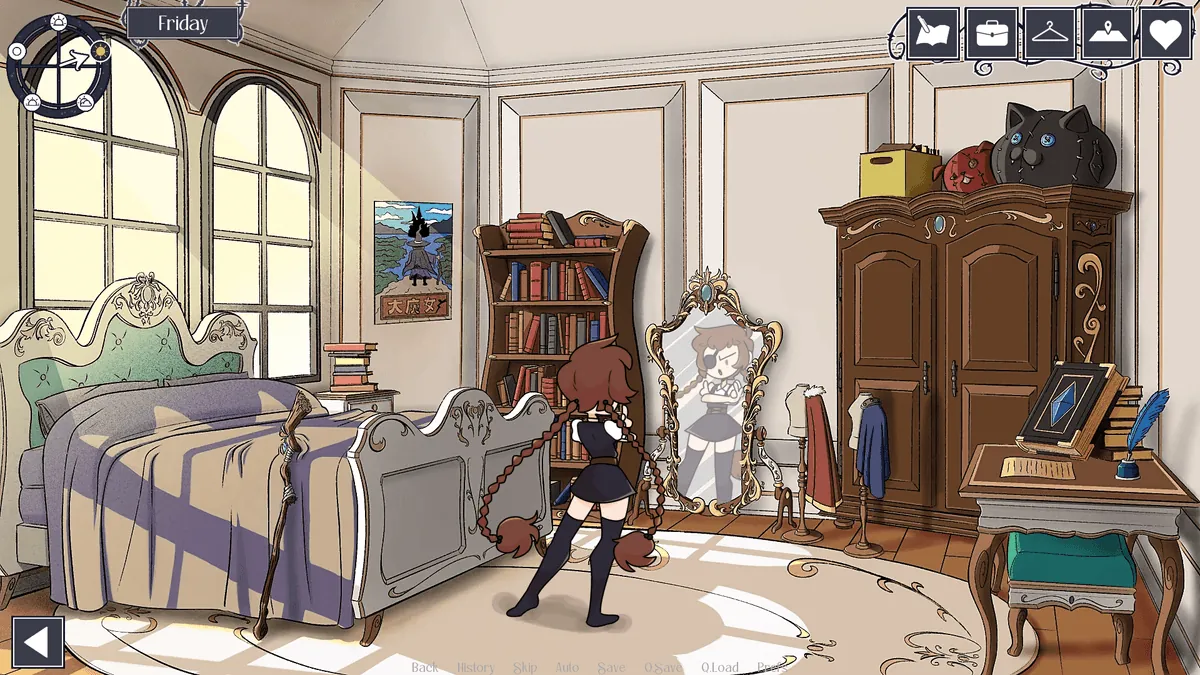
Leap of Faith
Play Leap of Faith
Leap of Faith Screenshots









Leap of Faith review
Explore the narrative-driven visual novel that tackles complex relationships and mental health
Leap of Faith stands out as a narrative-driven visual novel that goes beyond typical gaming experiences by weaving together romance, drama, and genuine emotional depth. This indie title follows a protagonist navigating the complexities of modern dating after a significant breakup, only to discover that relationships involve far more than surface-level attraction. The game tackles serious subjects including mental health challenges, body image concerns, and personal growth, all while maintaining an engaging slice-of-life atmosphere. Whether you’re interested in story-rich games or exploring how interactive fiction addresses real-world issues, Leap of Faith offers a compelling journey that challenges conventional gaming narratives.
Understanding Leap of Faith: Story, Characters & Narrative Design
Ever been completely wrecked by a story? I’m talking about the kind of experience that lingers for days, where you find yourself thinking about the characters as if they were real people you’re worried about. That was me after my first playthrough of Leap of Faith. This isn’t your typical dating sim where the biggest conflict is choosing which cute cafe to visit. This is a narrative-driven visual novel that uses the framework of a romance game to explore something far deeper: the fragile, complicated beauty of human connection and the silent battles we often fight alone. 😔
At its heart, the Leap of Faith visual novel story is about picking up the pieces. You step into the shoes of a protagonist who is, frankly, a mess. Reeling from a painful breakup, he’s convinced himself that love and happiness are off the table. Enter Chris, your loyal and relentlessly optimistic best friend. Chris’s prescription for this heartbreak? A wild, multi-date adventure to get you back out there. It’s a classic setup, but here’s where Leap of Faith diverges from the path. This isn’t just a fun romp; it’s the catalyst for a profound journey into the lives of others, and ultimately, into yourself.
The Protagonist’s Journey: From Heartbreak to Self-Discovery
We’ve all been there, or known someone who has. That post-breakup fog where everything feels colorless and your confidence is in the gutter. The game doesn’t gloss over this; it starts you right in the thick of it. Your initial goal is simple: follow Chris’s chaotic plan and try to have a good time. Maybe meet someone new. But the emotional storytelling interactive fiction quickly reveals that healing isn’t about simply replacing one person with another.
The genius of your character’s journey is that it’s reflective. You’re not a blank slate superhero. You’re vulnerable, a bit lost, and your capacity for empathy becomes your greatest tool. As you meet the various love interests, your own emotional recovery becomes intertwined with theirs. Helping someone else confront their demons forces you to look at your own baggage. Are you truly ready to connect, or are you just going through the motions to please a friend?
This creates a powerful character development dating sim experience that’s less about “winning” a partner and more about mutual growth. The choices you make—whether to be patient, to pry, to offer support, or to walk away—don’t just affect your romance points; they feel like they carry real moral and emotional weight. You’re not just choosing a date; you’re navigating the delicate process of helping others while figuring out how to help yourself. It’s this introspective layer that elevates the entire Leap of Faith visual novel story from a simple tale of romance to a meaningful exploration of self-discovery. 💫
Complex Characters and Their Emotional Struggles
Where Leap of Faith truly soars is in its cast. The Leap of Faith game characters are not archetypes; they are beautifully rendered, flawed, and achingly human individuals. Each love interest has a life, friends, passions, and a significant personal struggle that the story respectfully and authentically engages with. This is where the game earns its reputation for handling mental health themes in games with remarkable grace.
The game’s narrative design operates on a fundamental truth: people are complex. A charming smile can hide profound pain, and a fun night out can be someone’s attempt to outrun their thoughts. Your interactions are filled with these subtle layers. A casual conversation at a bowling alley 🎳 or a chance encounter with a global pop superstar at a concert 🎤 aren’t just fun “slice-of-life” moments. They are opportunities to see these characters in different lights, to catch glimpses of their true selves when their guards are momentarily down.
Let’s meet the people who make this story so unforgettable.
| Character | Their Struggle | Story Arc & Role |
|---|---|---|
| Cece | Bipolar depression, severe anxiety, and suicidal ideation. | Often considered the emotional heart of the game. Her route is an intense, raw, and compassionate look at loving someone through immense internal pain and the fear of loss. |
| Lexi | The isolating pressure of global fame, loneliness, and a search for authentic connection beyond her superstar persona. | Provides a glittering yet poignant look at how fortune and fame can’t shield you from needing real, understanding companionship. |
| Steph | Childhood trauma, self-worth issues linked to past bullying about her appearance. | Her path is about overcoming deep-seated insecurities and learning to accept love and see her own beauty, both inside and out. |
| Chris (Friend) | Unexpected romantic complications that challenge his usually carefree and confident facade. | Shows that even the person giving the advice is fighting their own battles, adding a crucial layer of realism to the friend dynamic. |
What’s crucial here is that these struggles aren’t plot devices or “issues” to be solved by the protagonist. They are integral parts of the characters’ identities. The game doesn’t promise you can “fix” them. Instead, your role is to understand, to support, and to be present. This approach avoids being preachy and instead feels authentic—you’re not a therapist, you’re a partner or friend trying your best, which is often messy and uncertain. This nuanced portrayal is what makes the mental health themes in games here so impactful; they are treated with the gravity and complexity they deserve. 🤝
How the Game Balances Romance with Serious Drama
You might be thinking, “That sounds heavy!” And you’re right, it can be. But here’s the masterstroke of Leap of Faith: it is also genuinely warm, funny, and romantic. The game understands that life isn’t one note. Even in our darkest periods, there are moments of levity, connection, and joy. Balancing this tone is what makes it a standout romance game with serious themes.
The friendship with Chris is a key ingredient. His ridiculous antics, terrible puns, and unwavering loyalty provide constant comic relief and a sense of normalcy. The group hangs at the bowling alley are filled with playful banter and camaraderie. Your dates can be sweet, awkward, and charming. The encounter with Lexi, the pop star, starts with a surreal, almost comedic premise that blossoms into something tender.
This balance prevents the narrative from becoming an oppressive slog. The light moments make the dark moments more poignant, and vice-versa. You appreciate the laughter because you’ve felt the weight of the tears. This creates a realistic emotional rhythm that mirrors our own lives. The game’s incredible soundtrack 🎵 plays a huge role here. The music swells during intimate conversations, fades into melancholy during reflective moments, and pumps energy into the joyful scenes, expertly guiding your emotional journey.
Furthermore, the game never forces misery upon you. While the themes are mature and ever-present, your choices determine how deeply you engage with each character’s pain. You can pursue routes that, while still dealing with real problems, focus more on the romantic and personal growth aspects. This player agency is vital. It means you experience the emotional storytelling interactive fiction at a pace you can handle, making the impactful moments feel earned, not gratuitous.
Ultimately, Leap of Faith succeeds because it respects its audience and its subject matter. It doesn’t use mental health as a cheap trick for drama. It presents it as a part of the human experience, something that exists alongside love, friendship, and hope. It shows that a romance game with serious themes can be about more than escapism—it can be a vessel for empathy, understanding, and a powerful, cathartic story.
“I’ve played dozens of visual novels, but none have stayed with me like Leap of Faith. It made me laugh, it absolutely destroyed me, and it made me think about my own relationships. It treats its heavy topics with a care I’ve never seen in a game before. This isn’t just a story you play; it’s an experience you feel.” – A longtime fan and player.
This player’s sentiment captures it perfectly. Leap of Faith is more than a game; it’s a crafted emotional journey. Its unique blend of relatable character development dating sim mechanics, fearless engagement with mental health themes in games, and masterful narrative-driven visual novel design creates a singular experience in the world of interactive fiction. It’s a brave, beautiful, and unforgettable leap worth taking. ❤️
Leap of Faith represents a meaningful evolution in visual novel storytelling, proving that interactive fiction can tackle genuine emotional and psychological themes while remaining engaging and entertaining. The game’s commitment to portraying characters with authentic struggles—from mental health challenges to personal insecurities—sets it apart from conventional dating simulations that prioritize fantasy over reality. Whether you experience the game through Steam or GOG, you’ll encounter a thoughtfully crafted narrative that respects player intelligence and emotional maturity. The protagonist’s journey from heartbreak to understanding that people are complex and multifaceted resonates with players seeking games that offer more than surface-level entertainment. If you’re interested in visual novels that blend romance with genuine drama, explore meaningful character development, or simply want a game that acknowledges real-world challenges, Leap of Faith deserves your attention. Start your journey today and discover why this indie title has earned recognition for its distinctive approach to interactive storytelling.