Hero Party Must Fall
Play Hero Party Must Fall
Hero Party Must Fall Screenshots
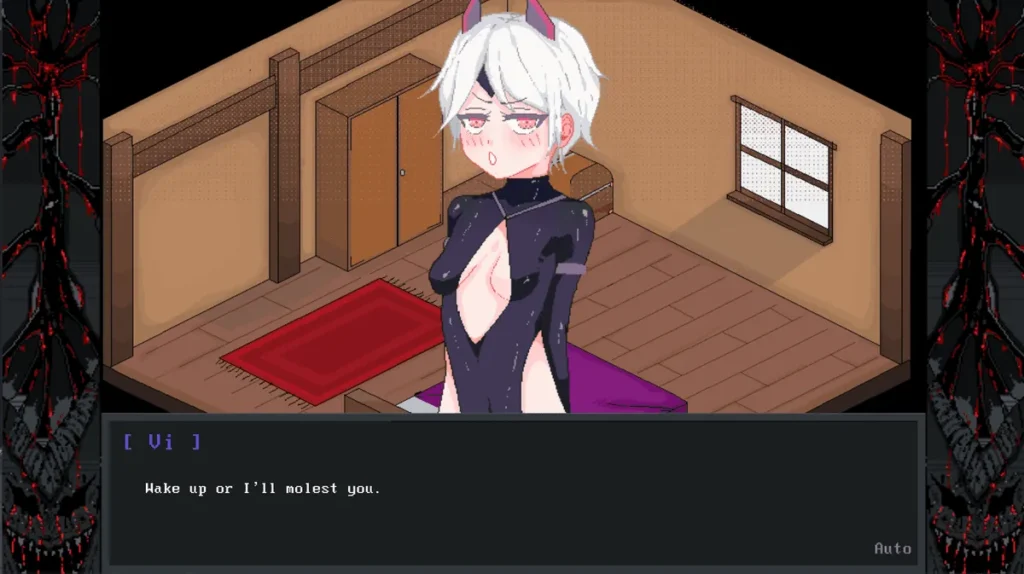
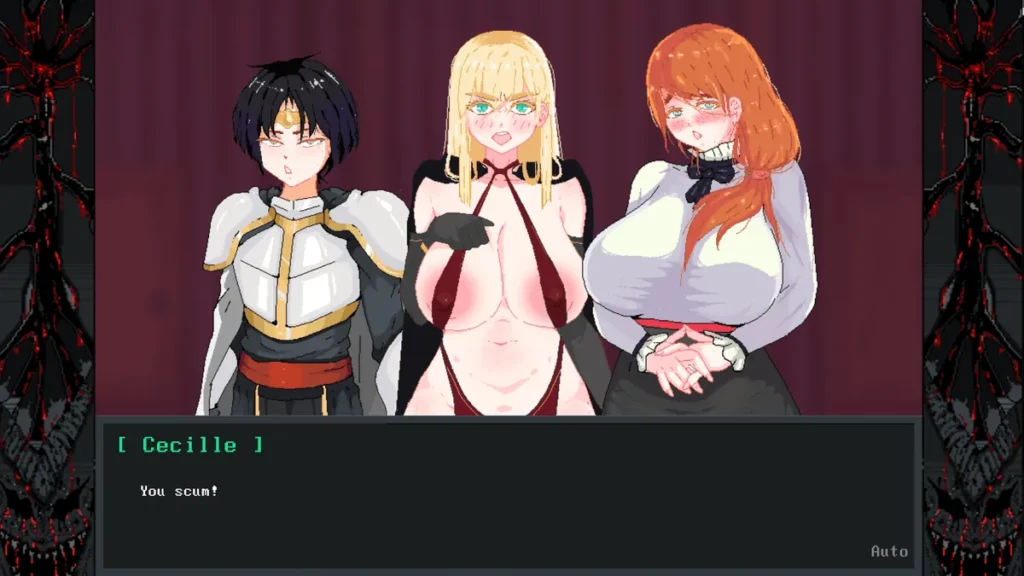
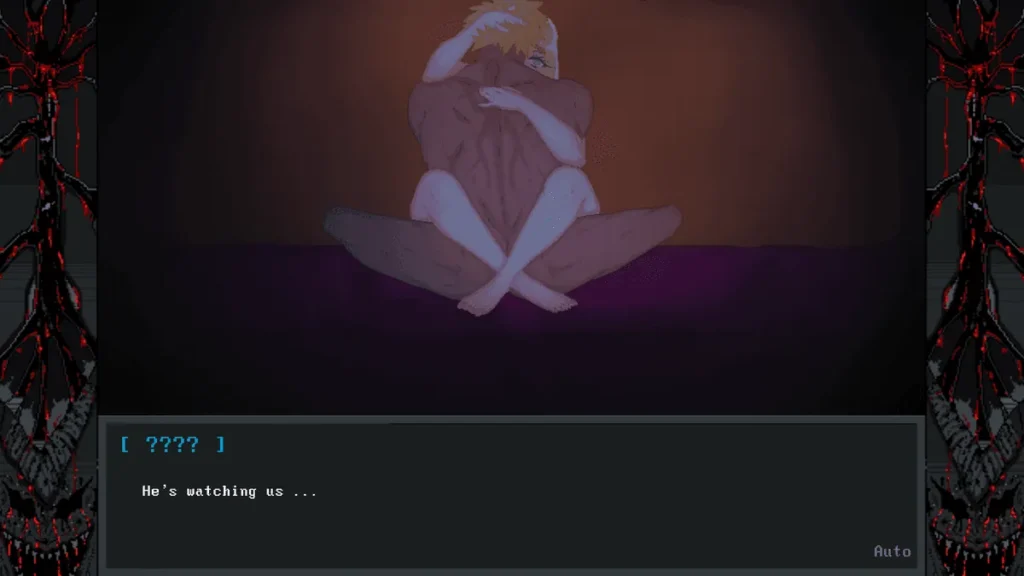
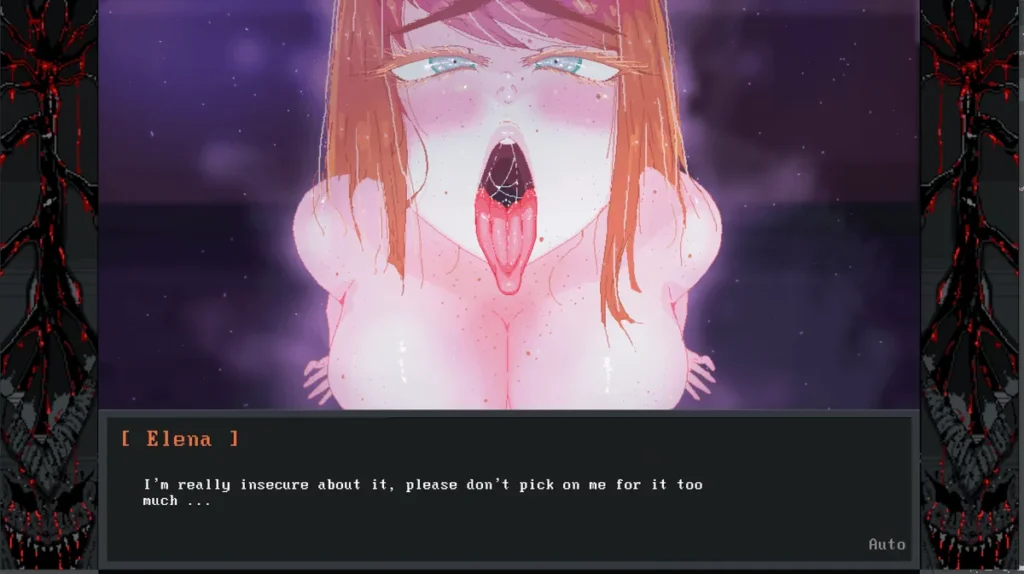
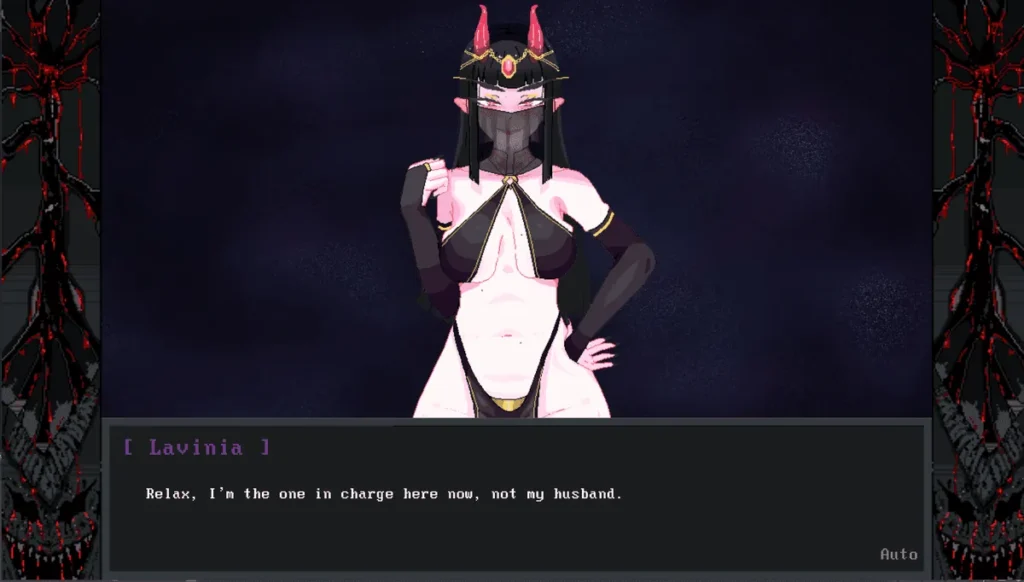
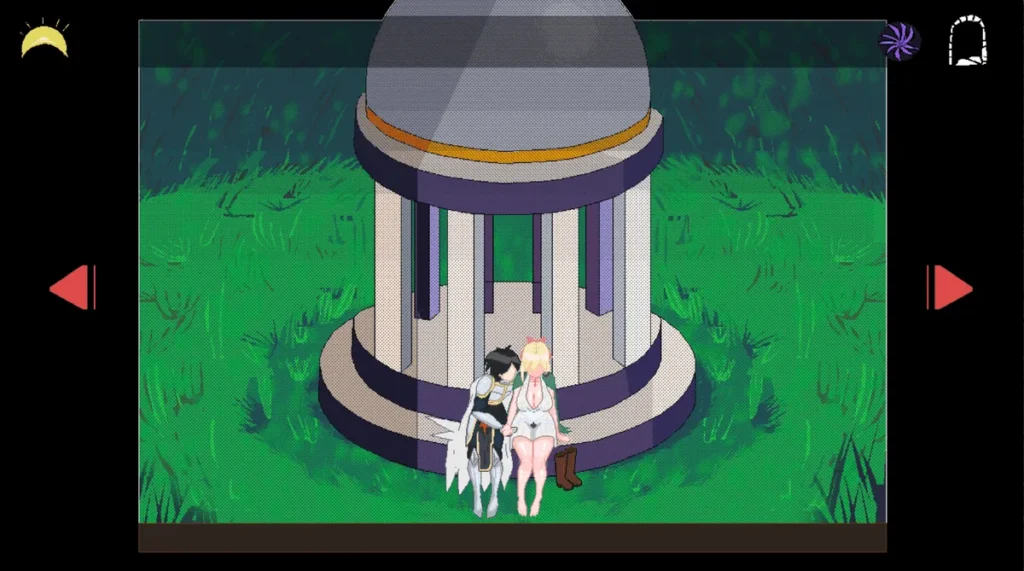
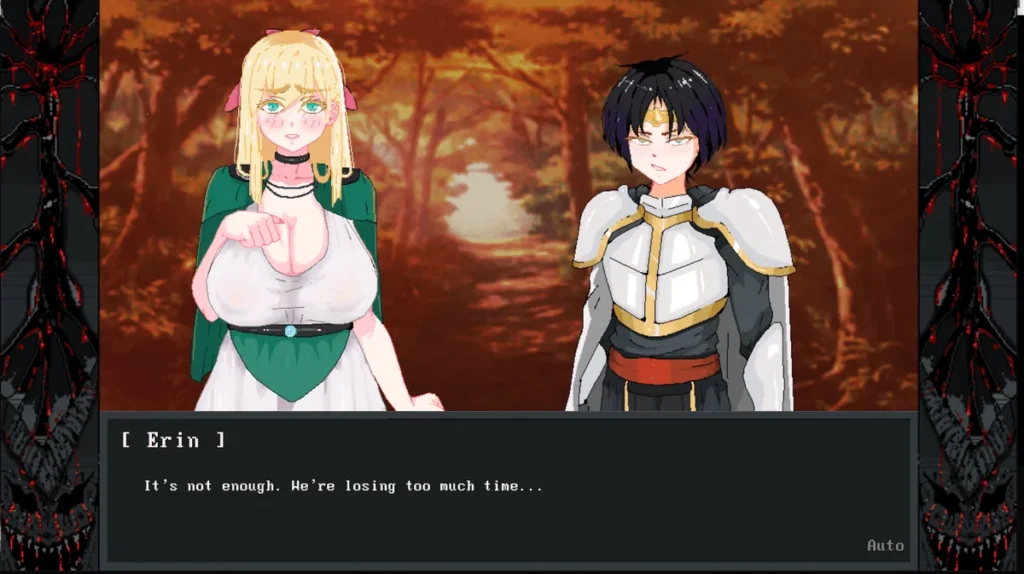
Hero Party Must Fall review
Explore gameplay mechanics, story elements, and what makes this indie title unique
Hero Party Must Fall stands out as a distinctive indie visual novel that combines narrative depth with interactive gameplay elements. Developed by Nitrolith and available on itch.io, this title has garnered attention for its unique premise, compelling character development, and ambitious design. Whether you’re curious about the game’s mechanics, story direction, or current state of development, this guide provides everything you need to know about what makes this project noteworthy in the indie gaming landscape.
Understanding Hero Party Must Fall: Core Gameplay and Mechanics
Ever loaded up a game expecting one thing and getting something completely different? That was my exact experience with Hero Party Must Fall. I went in thinking it was a standard fantasy RPG, only to find myself playing a strategic mastermind, orchestrating the downfall of legendary heroes from the shadows. 🕵️ It’s this delicious subversion of expectations that forms the bedrock of its appeal. But beyond the killer premise, the real magic—and sometimes the frustration—lies in how it plays. This chapter is your deep dive into the nuts and bolts of Hero Party Must Fall gameplay, exploring how it stitches together interactive story threads, training minigames, and player choice into one ambitious package.
At its heart, this is a narrative-driven experience, but calling it just a visual novel feels like a disservice. Developed by Nitrolith, the game represents a fascinating experiment in Nitrolith game design, merging classic visual novel mechanics with hands-on, interactive systems that put you in the director’s chair. You’re not just reading about corruption; you’re actively planning it, session by session, choice by choice.
What Makes the Gameplay Experience Unique?
The uniqueness of Hero Party Must Fall gameplay stems from its bold genre fusion. Imagine the narrative depth and character focus of a high-quality visual novel, but every critical moment is something you do, not just read. You are Kazuto, the unassuming shopkeeper with a grand, sinister plan. The game brilliantly splits your time between two core pillars: interactive story progression through daily life and events, and direct character development mechanics via training sessions.
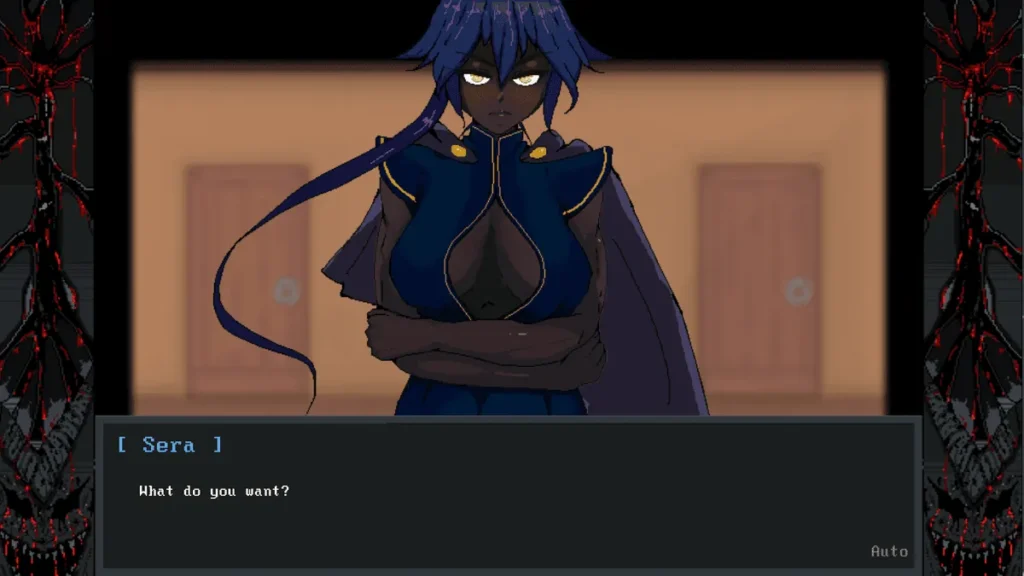
Most of your day-to-day is spent in a classic visual novel format. You explore the town, talk to the heroes (your targets 😈), and make decisions that influence their perceptions and the story’s direction. The visual novel mechanics here are robust, offering plenty of branching dialogue and subtle relationship shifts. But the moment you step into a training session with one of the heroes, the gloves come off. The game shifts from a narrative engine to a hands-on simulation where your inputs directly shape a hero’s physical and mental state.
This creates a compelling loop. In the morning, you might sweet-talk the proud warrior Elara, using dialogue options to stoke her arrogance. In the afternoon, you’re in a training sessions game with her, deliberately pushing her body to exhaustion while feeding her ego. By evening, an event might trigger where that arrogance leads her to make a fatal mistake in front of her peers. Your actions in one system directly fuel the outcomes in another. It’s a remarkably cohesive interactive story progression model that makes you feel like a true puppet master.
A major point of discussion in the community is the game’s “Early Access” nature. Nitrolith game design is iterative, and many systems are visibly works-in-progress. This isn’t a flaw per se, but it’s crucial to set your expectations. The game offers a incredibly strong and unique core, surrounded by features that are still being polished and expanded.
| Gameplay Feature | Core Function | Current Development State (v0.5.2+) |
|---|---|---|
| Training Sessions | Direct mini-game driven sessions for physical/mental corruption. | Core mechanics implemented and functional. Additional session types and refinements are ongoing. |
| Mini-game Systems | Provides the interactive core for training and other activities. | Foundation is solid, but variety is limited. More mini-games are a major focus for future updates. |
| Event System | Drives narrative through scheduled and choice-based scenes. | Robust and extensive, forming the narrative backbone. New events are added regularly. |
| Combat Mechanics | Hypothetical system for direct confrontation. | Not yet implemented. The focus remains on subterfuge and corruption. |
This transparent, evolving nature is part of the journey with Hero Party Must Fall. You’re experiencing a world and a set of character development mechanics being built in real-time, which is exciting for players who enjoy seeing a game grow.
Training Sessions and Mini-Game Systems
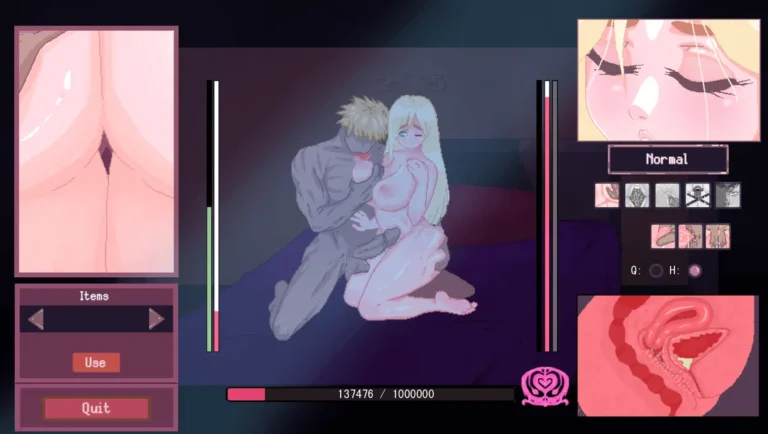
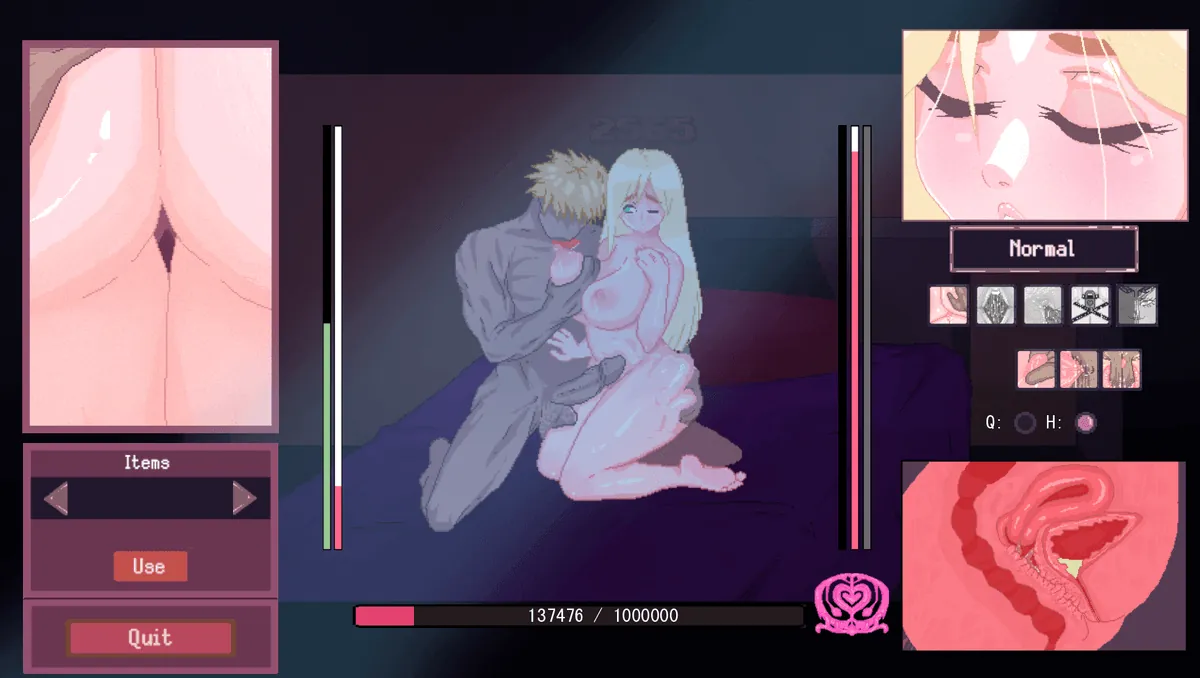
This is where your schemes become tangible. The training sessions game aspect is the primary tool for your corruption. When you invite a hero to “train,” you’re not navigating a menu—you’re entering an active, interactive scenario. Think of it as a bespoke mini-game systems suite tailored to each hero’s personality and weaknesses.
For example, a session with the stoic knight might involve a sparring match. Here, the gameplay shifts. You might have to execute timed button presses for attacks and parries. But the twist isn’t just winning; it’s how you win. You can choose to fight honorably, or you can “accidentally” target old injuries, exploit predictable patterns to humiliate them, or feign weakness to inflate their confidence before a crushing blow. Every input is a narrative choice disguised as gameplay.
Pro Tip: Pay close attention to the hero’s dialogue and physical cues during a session. A flinch, a gasp, or a boastful comment is your guide. It tells you what they’re vulnerable to, allowing you to tailor your corruption in real-time.
These mini-game systems are intentionally simple in their execution but deep in their consequence. They avoid being overly complex skill checks, keeping the focus on your strategic intent rather than your reflexes. Currently, the variety of mini-games is somewhat limited—you’ll see similar mechanics reused across different heroes—but the context and narrative outcome change dramatically. Fighting the mage plays out differently than fighting the thief, even if the button prompts are similar, because you’re targeting different aspects of their psyche.
The character development mechanics here are brilliantly indirect. You don’t have a skill tree for Kazuto. Instead, you develop the heroes. A successful corruptive training session might:
* Lower their “Willpower” stat.
* Increase a hidden “Arrogance” trait.
* Create a physical “Injury” flag that can be exploited in a future story event.
* Unlock new, more compromising dialogue options with them.
This approach makes the Hero Party Must Fall gameplay feel incredibly personal. You’re not just degrading a health bar; you’re meticulously unraveling a person. The training sessions game loop is satisfying because you see the direct, often immediate, feedback in the story. After a particularly brutal “lesson” with the priestess, she might show up to the next story event trembling, or conversely, hiding a new, dangerous spark of defiance. It’s this cause-and-effect that is the game’s greatest strength.
Navigating Story Progression and Events
If training sessions are your scalpel, then the event system is the entire operating theater. The interactive story progression in Hero Party Must Fall is a delicate dance of schedules, affinity, and triggered flags. The game world operates on a calendar. Each day is divided into time slots (Morning, Afternoon, Evening), and your choices of how to spend them—be it working at your shop, training a hero, or exploring—direct the flow of the narrative.
The story advances primarily through evening events. These are significant narrative scenes, often involving multiple characters, that push the central plot of the party’s downfall forward. Access to these events is gated by your actions. You might need to have reduced a certain hero’s willpower below a threshold, discovered a specific secret about them during a daytime exploration, or simply reached a certain day on the calendar. This structure encourages replayability; to see every branching path of the story, you must experiment with different corruption strategies.
Player agency within these encounters is a hallmark of Nitrolith game design. During key scenes, you are often presented with position selection and button mechanics. This might mean choosing where Kazuto stands in a tense confrontation, which changes his perspective and available options. Or, it might involve a crucial timed decision—a single button press to intervene, stay silent, or subtly sabotage. These moments pull you out of a passive reading mode and into an active participant role, reinforcing the visual novel mechanics with tangible interaction.
The balance between narrative and gameplay here is generally excellent. The story doesn’t feel like a reward for grinding through gameplay; the gameplay is the story being written. However, some player feedback points to the complexity of tracking progression flags. Since many character development mechanics and story triggers are hidden, it can be unclear why a certain event hasn’t unlocked. This opacity can be frustrating for goal-oriented players but is also part of the game’s design philosophy: you are not following a guide, you are experimenting, failing, and learning like a true schemer.
The event system is also where the game’s production value shines. Scene direction, character expressions, and shifting backgrounds are used effectively to build tension and drama. You’re not just making a choice from a list; you’re often making it in the heat of a beautifully rendered moment, which makes the consequences feel all the more weighty. This careful attention to presentation elevates the entire interactive story progression, making every revealed secret and every fractured relationship a cinematic experience.
FAQ: Common Questions About Gameplay Mechanics
Q: How do I actually progress the main story? It feels like I’m just doing daily tasks.
A: Story progression is gated behind evening events. Focus on using training sessions to lower key stats (like Willpower or specific Traits) of the heroes involved in the current story arc. Also, exhaust all dialogue and exploration options during the day. Reaching certain calendar dates or achieving specific corruption milestones will trigger the next major story event.
Q: What exactly do the training sessions do?
A: Think of them as direct intervention tools. Each session is a mini-game systems experience where your performance directly alters a hero’s hidden stats and traits. The goal isn’t just to “win” the mini-game, but to execute it in a way that applies the specific corruption (e.g., encouraging arrogance, inflicting doubt, causing physical strain) you desire. The results then feed directly into the event system and available story branches.
Q: Are the mini-games just repetitive button-mashers?
A: While the core actions within the mini-game systems can feel similar (timed presses, etc.), their context and strategic purpose are not. A sparring match to injure a knight plays out with a different intent and narrative consequence than a “meditation” session designed to poison a mage’s thoughts. The variety is in the outcome, not just the input. More mini-game types are a known focus for future development.
Q: Why can’t I access a certain character’s event even though my affinity with them is high?
A: Affinity is only one piece of the puzzle. Hero Party Must Fall gameplay uses a complex web of flags. You may need to discover a specific piece of lore, corrupt a different character first, or make a specific choice in a prior event. The game encourages exploration and multiple playthroughs to uncover all its secrets.
Q: Is the game more of a visual novel or a management sim?
A: It’s a seamless blend, but the core is a visual novel. The management of time, stats, and training is in service of the narrative. You manage resources (time, a hero’s mental state) to unlock and influence the next chapter of the interactive story progression. It’s a story-first experience where you actively build the plot through your decisions and actions.
Ultimately, engaging with Hero Party Must Fall gameplay is about embracing your role as an architect of ruin. It asks you to be patient, observant, and strategic. The blend of thoughtful visual novel mechanics with hands-on training sessions game elements creates a uniquely empowering fantasy. While some of its mini-game systems and features are still being refined under Nitrolith game design, the foundation is already rock-solid and deeply compelling. It’s a game that respects your intelligence, offering a complex web of character development mechanics and interactive story progression that rewards careful planning and role-playing. One session, you’re carefully choosing words; the next, you’re landing a deliberately cruel blow in training—all to watch the glorious, slow-motion collapse of heroes who never saw you coming.
Hero Party Must Fall represents an ambitious indie project that successfully combines engaging narrative with interactive gameplay mechanics. The game’s strength lies in its compelling character development, unique premise, and the developer’s commitment to regular updates and community engagement. While certain gameplay systems remain unfinished and technical issues persist, the overall reception from players emphasizes the quality of the story and character design. For those interested in visual novels with interactive elements and narrative depth, Hero Party Must Fall offers a distinctive experience that continues to evolve. As the project develops further, the refinement of gameplay mechanics and resolution of technical issues will likely enhance an already compelling foundation. Whether you’re drawn to the narrative, character interactions, or gameplay experimentation, this title demonstrates the creative potential of independent game development.