Good Girl Gone Bad
Play Good Girl Gone Bad
Good Girl Gone Bad Screenshots



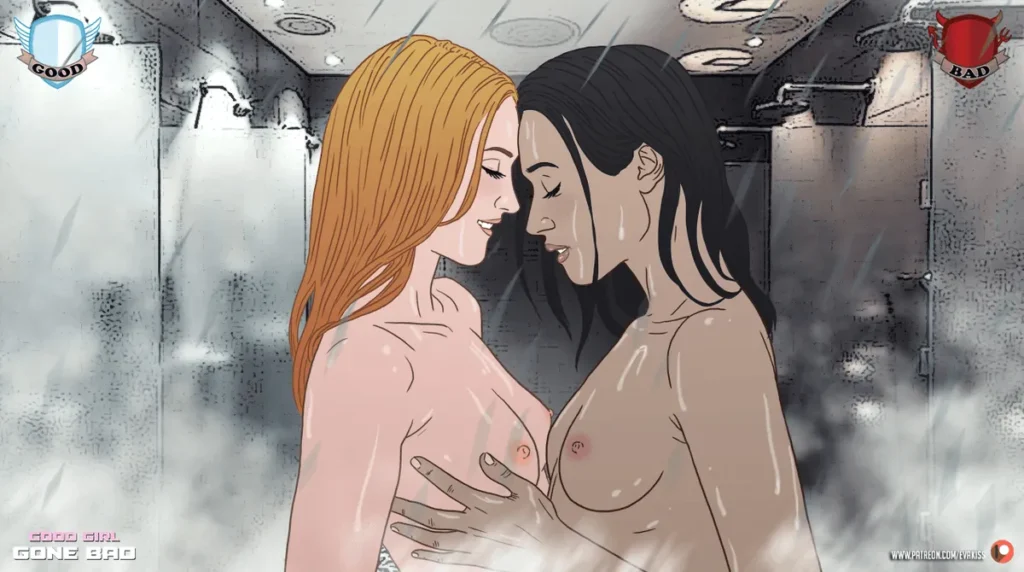
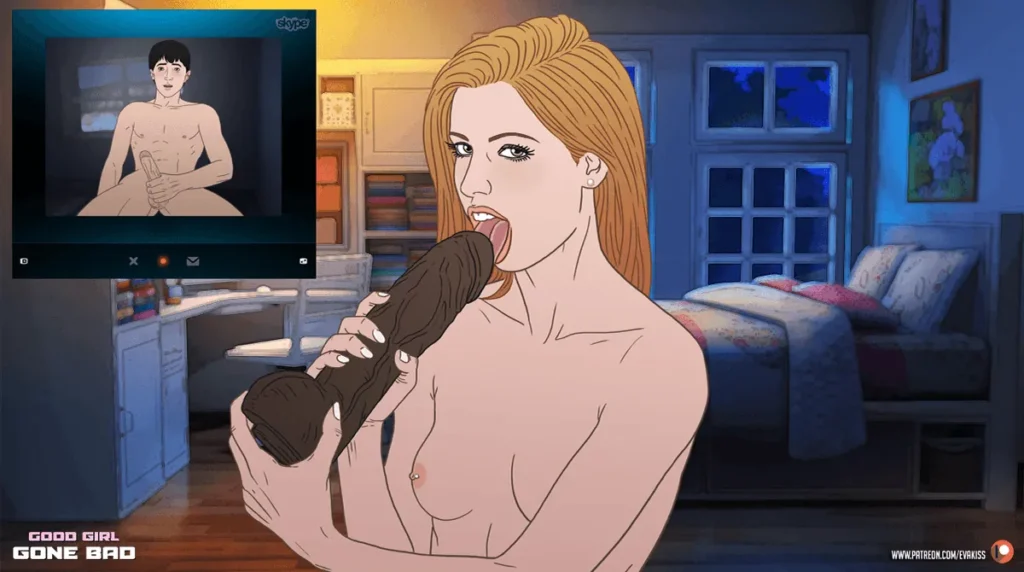




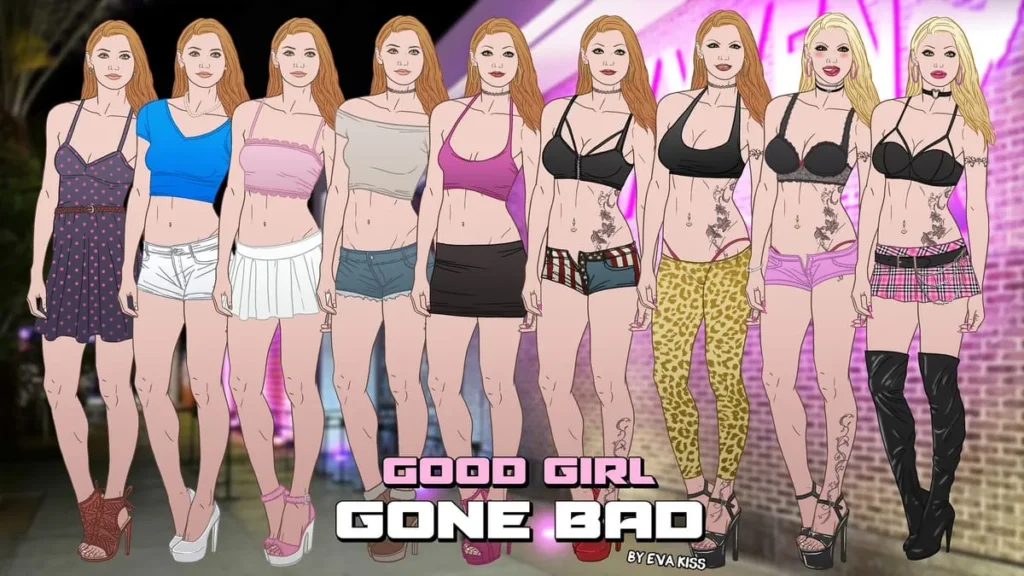



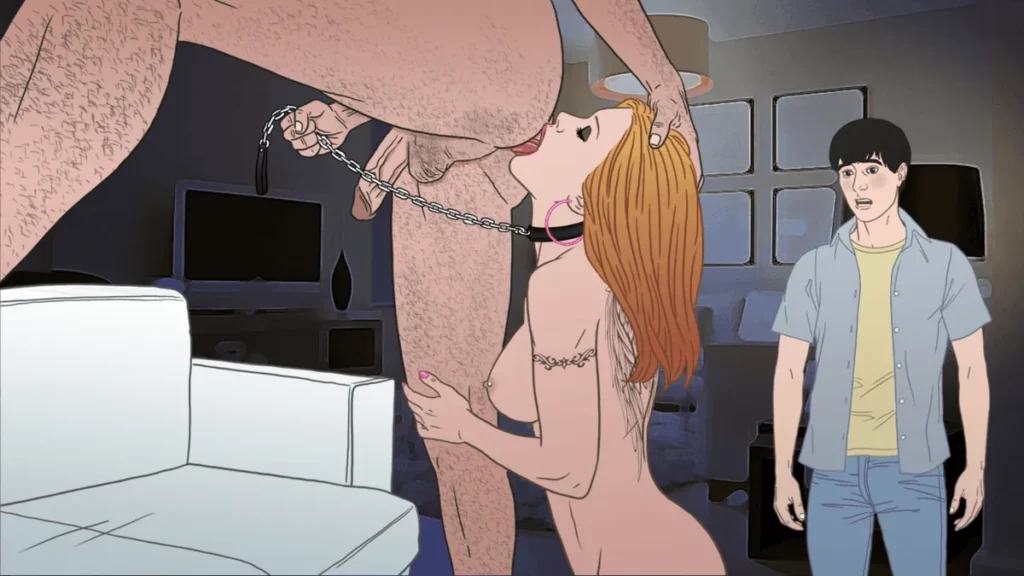
Good Girl Gone Bad review
Explore the branching narrative, character choices, and unique art style of this adult visual novel
Good Girl Gone Bad is a narrative-driven visual novel that puts players in control of Ashley Graham’s destiny through meaningful choices that shape her story in dramatically different ways. Created by Eva Kiss, this adult-oriented game combines hand-crafted, hand-drawn artwork with a complex branching narrative system that rewards player agency. Whether you’re interested in exploring morally ambiguous storylines, experiencing character-driven narratives, or discovering how your decisions impact the overall outcome, this guide covers everything you need to know about the game’s mechanics, features, and what makes it stand out in the visual novel genre.
Understanding Good Girl Gone Bad: Game Overview & Core Features
Ever downloaded a visual novel expecting a simple, linear story, only to find your choices actually matter? 😲 That was my exact experience with Good Girl Gone Bad. I went in thinking I’d just click through, but soon I was hunched over my keyboard, agonizing over a simple text message reply because I realized it could send the main character, Ashley Graham, down a completely different life path. That’s the magic of this game. It’s not just another adult title; it’s a masterclass in how player choice and character depth can create a story that feels uniquely yours.
This Good Girl Gone Bad visual novel stands out in a crowded field by doing almost everything differently. From its hand-drawn visual novel aesthetic to its incredibly responsive branching narrative game design, it invites you to not just watch, but actively participate in the moral unraveling—or reaffirmation—of a young woman’s life. Let’s dive into what makes this such a compelling experience.
What Makes This Visual Novel Unique 🎯
In a digital landscape often dominated by similar-looking 3D models, Good Girl Gone Bad makes a powerful statement with its art. But its uniqueness goes far beyond the surface. It’s a fusion of artistic bravery, narrative ambition, and a deep respect for the player’s agency.
Most games in this genre present you with a predefined “route.” Good Girl Gone Bad throws that concept out the window. Instead of choosing a love interest at the start, you make micro-decisions that gradually pull Good Girl Gone Bad Ashley Graham toward different people, philosophies, and versions of herself. Will she remain the studious, somewhat naive college student? Will she embrace a hedonistic lifestyle with a rebellious friend? Or will she seek validation in more dangerous, power-imbalanced relationships? The game doesn’t judge; it just presents the consequences.
Here are the key pillars that set it apart:
- A Truly Branching Narrative: This isn’t an illusion of choice. Early, seemingly innocuous decisions can lock or unlock entire story arcs, characters, and endings hours later. The player choice system is the engine of the entire experience.
- Hand-Drawn Art with Soul: Every character and scene is crafted with traditional artistic tools. This gives Ashley and the world around her a distinct, personal, and expressive quality that 3D models often struggle to achieve. It feels alive.
- Unflinching Character Depth: The adult content is never the sole point. It’s a narrative tool used to explore Ashley’s psychology, her desires, her vulnerabilities, and her growing (or shrinking) agency. It’s a character-driven narrative game first and foremost.
- The Weight of Moral Choice: The core theme of a “good girl gone bad” is all about morality. The game constantly asks: What does “bad” even mean? Is it sexual liberation? Is it selfishness? Is it cruelty? You get to explore those definitions through Ashley’s eyes.
I remember one playthrough where I decided Ashley would be politely resistant to her boss’s advances, focusing on her internship. This simple choice didn’t just avoid a scene; it fundamentally altered her career trajectory, opened up a new supportive friendship with a coworker, and changed how other characters perceived her strength. The ripple effects are real.
Gameplay Mechanics & Player Choice System 🎮
Forget complex stats or mini-games. The adult visual novel gameplay in Good Girl Gone Bad is elegantly simple on the surface but incredibly deep underneath. Your entire interaction with the world is through dialogue choices, internal monologue selections, and action prompts. Yet, this simplicity is what makes the player choice system so potent.
Every choice, no matter how small, feeds into the game’s internal logic. It’s not about picking “good” or “evil” options from a menu. It’s about deciding how Ashley reacts in the moment: Does she giggle at a risky joke or scold it? Does she accept a drink she didn’t pay for? Does she stand up for a friend or look the other way to avoid drama?
The game tracks these tendencies, subtly shifting Ashley’s personality and the world’s reaction to her. This is the heart of the branching narrative game structure.
| Choice Type | Example from Game | Potential Narrative Impact |
|---|---|---|
| Dialogue Response | Choosing to text back “I had fun tonight 😊” vs. “We shouldn’t do that again.” | Can initiate or permanently shut down a relationship path with a key character. |
| Action Decision | Accepting a dare to kiss someone at a party vs. refusing. | Can boost Ashley’s “boldness” stat, unlocking new, more daring options in future scenarios and changing her friend group’s perception of her. |
| Internal Monologue | Ashley thinking “He’s actually kind of sweet…” vs. “This is so awkward, I want to leave.” | Shapes her evolving feelings, which can later influence the tone and availability of dialogue choices. |
The goal is to explore the life of Good Girl Gone Bad Ashley Graham. The game’s current version, 0.31 Final, represents a massive, feature-complete story with a staggering number of endpoints. “Final” here indicates that the core narrative is polished and concludes meaningfully, offering a satisfying experience even as the developer considers future expansions.
To get the most out of the player choice system, I advise embracing the role-play. Don’t try to “game” the system on your first playthrough. Instead, think about how you would feel in Ashley’s shoes, or decide on a specific personality for her (e.g., “curious but cautious,” “eager to please,” “quietly rebellious”) and make choices that fit. The most rewarding moments come when you’re faced with a tough decision and realize there’s no guidebook—just your own judgment.
💡 Pro Tip: Save often and in multiple slots! The beauty of this branching narrative game is experimenting. Want to see what happens if you say yes instead of no? Having a save point lets you explore those “what-if” scenarios without replaying hours of content.
Artistic Style & Visual Design 🎨
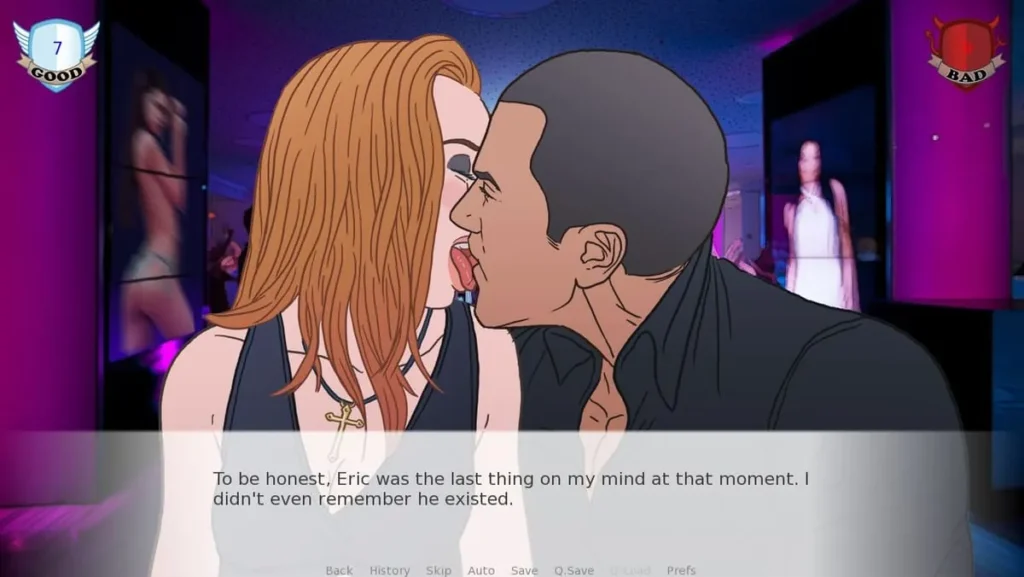
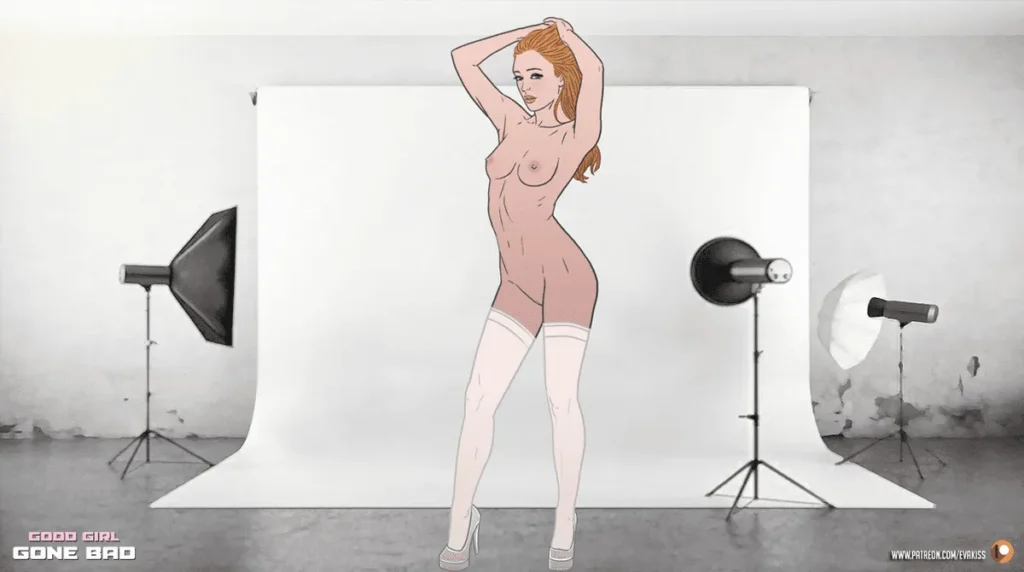
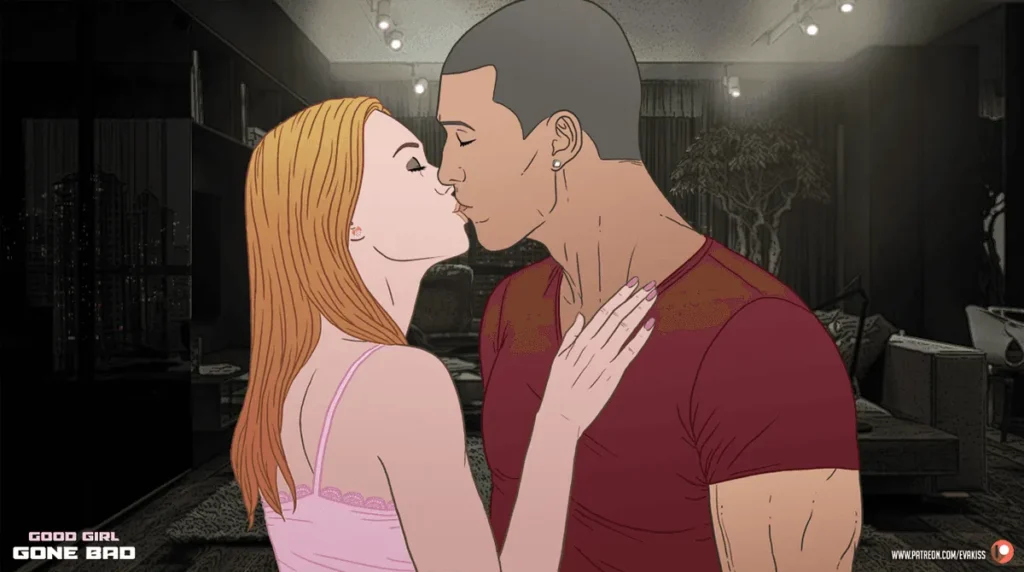
The first thing that strikes you about this hand-drawn visual novel is its raw, expressive energy. In an era of digital homogeneity, the art of Good Girl Gone Bad feels personal, almost intimate. Every line, shade, and character expression is deliberately placed by an artist’s hand, not generated by a universal 3D rig.
This approach offers immense benefits for a character-driven narrative game. Ashley’s expressions are nuanced—you can see the subtle difference between nervous apprehension and excited anticipation, or the slow hardening of her gaze as she becomes more jaded. The hand-drawn visual novel format allows for exaggerated, emotive poses that perfectly sell the tone of a scene, whether it’s comedic, tense, or passionate.
Let’s compare the artistic impact:
| Artistic Element | Impact on Story & Character | Why It Works for This Story |
|---|---|---|
| Expressive Character Sprites | Ashley’s face conveys complex, shifting emotions that text alone cannot. Her body language tells a parallel story to the dialogue. | It creates immediate empathy. You aren’t just reading about her anxiety; you’re seeing it in her hunched shoulders and hesitant smile. |
| Detailed, Atmospheric Backgrounds | From a cluttered college dorm to a sleek, intimidating office, each environment reinforces the social and emotional context of the scene. | It grounds Ashley’s journey in a believable world. The art builds the settings that either comfort her or make her feel out of her depth. |
| Unique Character Designs | Each character has a distinct visual identity that reflects their personality, from fashion choices to posture. | It supports the branching narrative. You can visually track Ashley’s transformation as her style may change to mirror the people she aligns with. |
The art style is perfectly married to the themes of the Good Girl Gone Bad visual novel. The transformation of Ashley Graham isn’t just narrative; it’s visual. As you guide her down different paths, her wardrobe, her hairstyle, and even the confidence in her posture can evolve. This visual feedback loop is incredibly satisfying. You’re not just told she’s changing; you see it.
This commitment to a hand-drawn visual novel aesthetic is a bold choice that pays off spectacularly. It gives the game a timeless, classic feel and a personality that is instantly recognizable. It reminds you that behind every scene is a human artist interpreting the story, which complements the deeply human choices you’re asked to make.
Ultimately, Good Girl Gone Bad is more than the sum of its parts. It’s an experience that stays with you because of the ownership you feel over the story. The fusion of its responsive player choice system, its deeply personal hand-drawn visual novel artistry, and its unwavering focus on Good Girl Gone Bad Ashley Graham as a complex, malleable character creates a unique space in gaming. It’s a playground for moral curiosity and narrative exploration, proving that the most compelling stories are the ones we help write ourselves. Whether you’re drawn to intricate branching narrative games or powerful character-driven narrative experiences, this title offers a rich, mature, and unforgettable journey.
Good Girl Gone Bad stands out as a thoughtfully crafted visual novel that prioritizes meaningful player agency and narrative coherence. Through its hand-drawn artistic style, complex branching storylines, and character-driven approach, the game offers players genuine freedom to shape Ashley Graham’s journey in ways that feel consequential and engaging. Whether you’re drawn to morally ambiguous narratives, appreciate hand-crafted visual design, or simply want to experience a story where your choices truly matter, Good Girl Gone Bad delivers a unique experience in the visual novel landscape. If you’re considering diving into this game, approach it with an appreciation for narrative depth and character complexity, and you’ll discover why it resonates with players who value choice-driven storytelling.