By Midsummer Moonlight
Play By Midsummer Moonlight
By Midsummer Moonlight Screenshots




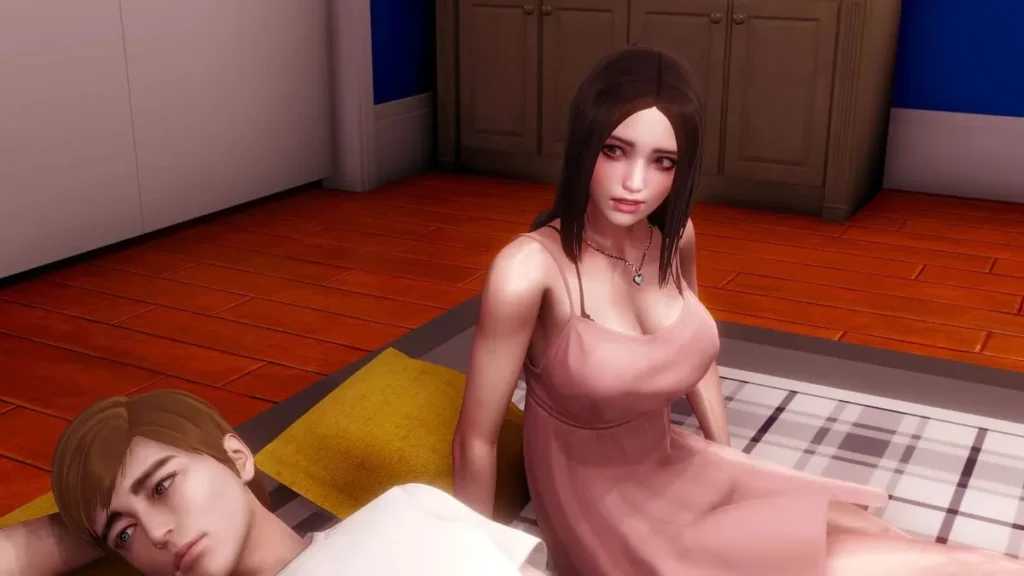
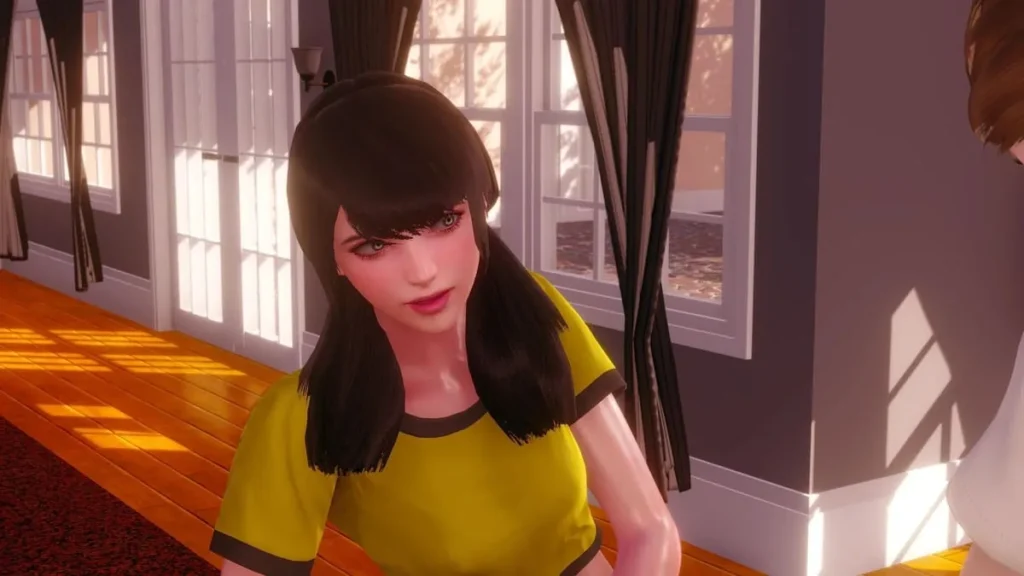

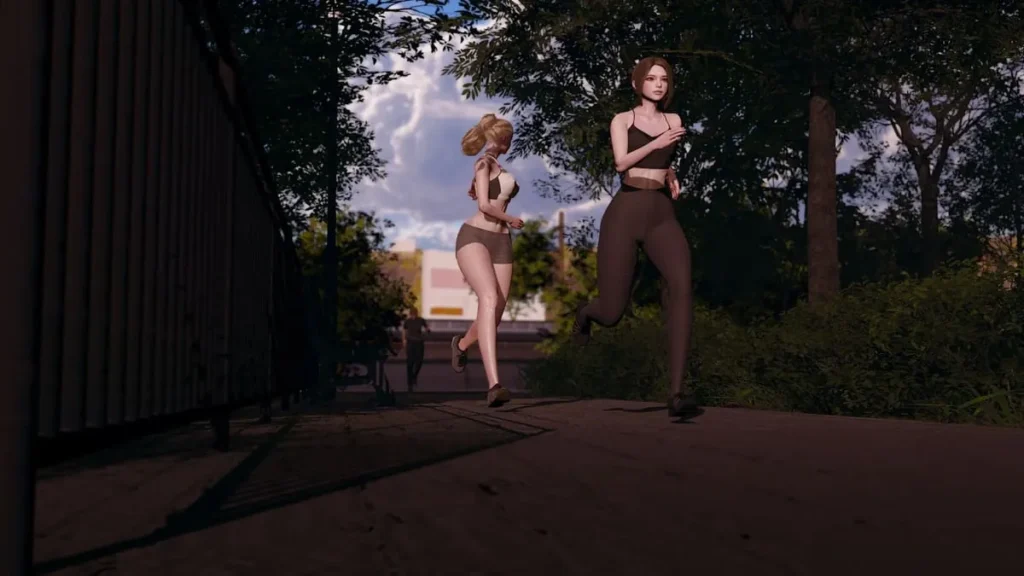
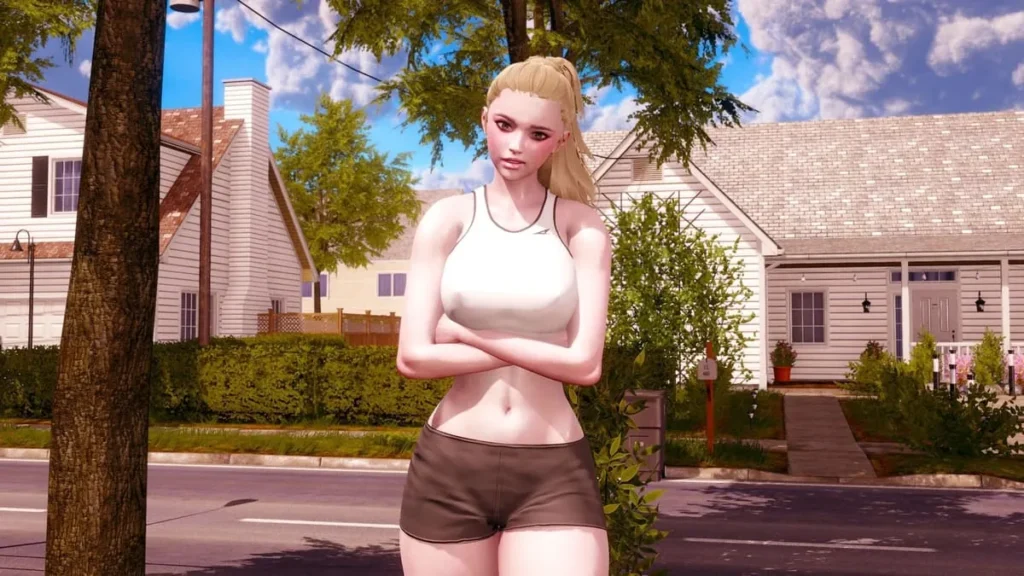
By Midsummer Moonlight review
Explore the narrative complexity, character development, and player choice mechanics that define this acclaimed interactive experience
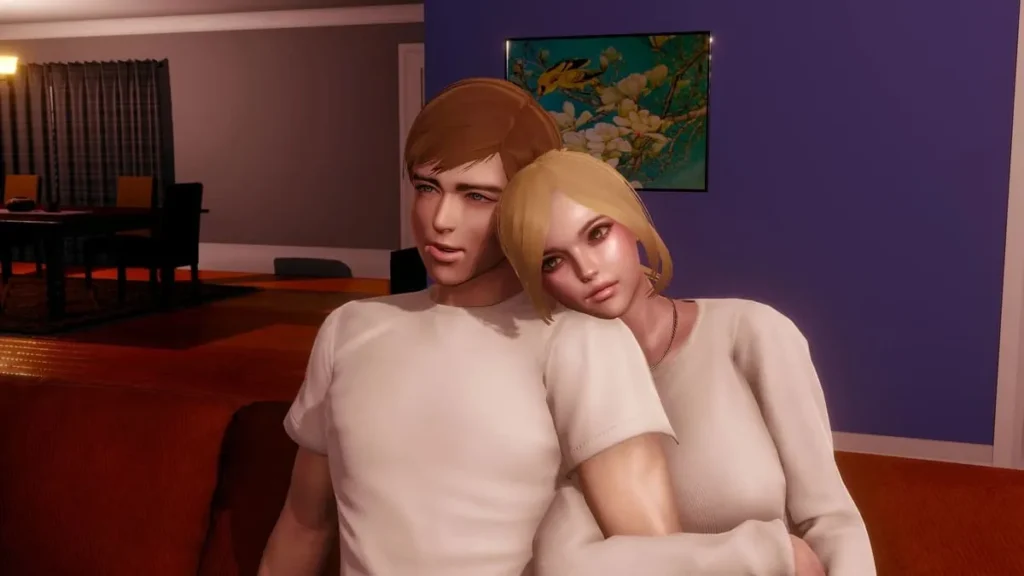
By Midsummer Moonlight stands out as a compelling interactive narrative experience that challenges conventional storytelling through player agency and emotional depth. This game immerses you in the turbulent journey of Aedan Miller, a young man facing life-altering decisions that ripple through his relationships with friends, family, and romantic interests. What sets this experience apart is its sophisticated approach to consequence-driven gameplay, where subtle choices shape character dynamics and unlock multiple narrative paths. Whether you’re drawn to complex character development, branching storylines, or the thrill of meaningful decision-making, understanding the mechanics and themes of By Midsummer Moonlight reveals why it resonates with players seeking mature, thought-provoking interactive fiction.
Narrative Structure and Storytelling Excellence in By Midsummer Moonlight
At its heart, By Midsummer Moonlight isn’t a story about saving the world from a dragon or unraveling a galactic conspiracy. It’s about a single, deeply personal decision and the seismic waves it sends through a carefully constructed life. 🌊 The entire game orbits around one moment: Aedan Miller’s choice to accept a prestigious scholarship abroad. This isn’t just a career move; it’s a catalyst that forces every relationship, every unspoken truth, and every fragile loyalty into the stark light of three summer nights. The brilliance of this By Midsummer Moonlight narrative structure is how it uses this intimate, relatable conflict to build a universe of emotional consequence.
The game masterfully presents Aedan’s motivations in a shade of moral gray. Is he chasing a dream for selfless ambition, to make his family proud or bring knowledge back home? Or is it a selfish escape from a town, and people, he’s outgrown? The writing refuses to give you a clear answer, because Aedan himself might not know. This duality is the engine of the experience. You’re not guiding a hero, but a flawed, complex human being, and your choices become about navigating that internal conflict as much as the external ones with friends and loved ones.
The Central Conflict: Understanding Aedan’s Journey and Motivations
Aedan’s journey is the anchor of this character-driven narrative game. We meet him at a crossroads, suitcase metaphorically already packed, but his heart tethered to the people he’s leaving behind. His lifelong friends—the pragmatic Leo, the artistic Sam, the fiercely loyal Riley—see his departure not as an opportunity, but as a betrayal of their shared history. His family beams with pride, yet their eyes hold a silent fear of distance. A potential romantic partner hesitates, wondering if they’re just a “last summer” fling.
This setup creates a narrative rich with dramatic irony. You, the player, see the full picture. You feel Aedan’s excitement for the future and the acute pain of impending goodbyes. You understand his friends’ fear of being left behind. The narrative structure genius lies in making you the source of both the hope and the hurt. I remember in my first playthrough, trying to explain my choice to Leo over a late-night drink. The dialogue options weren’t “Convince Him” or “Apologize.” They were nuanced, like “Talk about the university’s research program” or “Ask if he’s ever felt stuck here.” One path led to a bitter, resigned silence; the other to a tearful, heartfelt admission of envy and fear from him. It was a punch to the gut. I wasn’t just choosing words; I was steering the emotional trajectory of a decades-long friendship.
The game explores the painful duality of human nature with unflinching honesty. Aedan can be incredibly compassionate, helping a friend through a family crisis, and in the next breath, make a calculated choice that serves only his own exit strategy. The story doesn’t judge him for this—it simply asks you to sit with the discomfort of it. Are we not all a mix of selfless and self-serving impulses? This emotional storytelling in games works because it holds up a mirror, making the player’s own reflections part of the narrative texture.
How Player Choices Shape the Unfolding Story
So, how do player choices affect story outcomes in such a nuanced world? Forget binary good/evil meters or flashing “THIS DECISION WILL HAVE CONSEQUENCES” warnings. By Midsummer Moonlight operates on a system of subtle, accumulated weight. Its interactive storytelling game mechanics are woven so seamlessly into conversation that you often don’t realize you’re at a branching point until you see the effects hours later.
The branching dialogue trees are masterclasses in subtext. You’re rarely choosing what to say, but how to say it, or what part of your perspective to reveal. A simple prompt like “Respond to Sam’s painting” might offer:
* “It’s beautiful. You’ve really found your style.”
* “The use of light reminds me of that gallery we visited.”
* “I’ll miss seeing your work evolve.”
Each choice seeds a different emotion. The first is pure praise, the second connects to shared memory, the third subtly reinforces your leaving. Sam’s reaction shifts accordingly, changing their attitude in future encounters and even determining if they share a crucial, vulnerable piece of art with you on the final night—a scene that absolutely wrecked me when I finally unlocked it.
Let’s talk about a specific, subtle choice. Early on, you might find a delicate silver locket that belongs to a side character’s estranged mother. You can:
* Return it immediately.
* Hold onto it, planning to return it later.
* Keep it, thinking it might be useful or valuable.
This isn’t a grand moral quest. It’s a tiny, private moment. If you hold onto it, you might later have the option to use it as a peace offering during a heated argument, mending a bridge in a powerful way. If you keep it selfishly, you may overhear that character sadly mention its loss, casting a pall of guilt over your subsequent interactions. If you return it straight away, you earn quiet, enduring trust that opens up a supportive subplot. The player choice consequences here are about character, not karma.
The three-night timeframe is a brutal and brilliant constraint. ⏳ Events are time-sensitive. Agreeing to help Leo fix his car on the first evening means you’re unavailable to console Riley after their disastrous family dinner. Missing that moment doesn’t just close a quest; it alters Riley’s emotional state for the rest of the game, making them more withdrawn or reckless. The cause-and-effect chains are intricate and often heartbreakingly realistic. You cannot be everywhere for everyone—a core truth of Aedan’s dilemma that you, the player, must physically live out.
This design makes multiple playthroughs not just rewarding, but essential to understanding the full story. You’ll witness different character perspectives, uncover hidden motivations, and see how small acts of kindness or neglect ripple outward. A character who was sullen and hostile in one playthrough might, with different choices, become your most staunch supporter, revealing that their anger was just masked hurt.
| Player Choice (Context) | Immediate Character Reaction | Long-Term Narrative Outcome |
|---|---|---|
| Insist on talking about future plans at the farewell party. | Friends become quiet, party atmosphere sours. | Several heartfelt, individual goodbye scenes become unavailable. Friends group chat remains inactive post-game. |
| Skip helping a friend to secretly meet with your romantic interest. | Friend expresses disappointment but understands. | Later, during a crisis, that friend hesitates to ask you for help. The romance path deepens more quickly. |
| Admit your fears about leaving to a family member. | Family member offers unexpected emotional support. | Unlocks a special “send-off” gift and ongoing supportive letters in the epilogue, regardless of other relationship states. |
| Take the blame for a group mishap you didn’t cause. | Short-term tension with the actual culprit. | Earns deep, unshakable loyalty from the group. Unlocks a unique, united “last night” event where they all have your back. |
Themes of Friendship, Loyalty, and Emotional Complexity
Woven through every coded line and dialogue option are the game’s core themes: friendship, loyalty, and the messy complexity of human emotion. By Midsummer Moonlight understands that true friendship isn’t just shared joy; it’s navigating envy, resentment, and the terrifying prospect of growing apart. 🤝
Loyalty is tested not in battle, but in quiet moments. Are you loyal to your own dreams, or to the people who have defined your life so far? Can you be loyal to both, and what does that compromise look like? The game presents loyalty as a series of active choices, not a passive state. Choosing to spend your precious last afternoon listening to a friend’s anxiety about their dead-end job is an act of loyalty. Choosing to spend it packing alone is an act of loyalty to your future self. Neither is “wrong,” but both have weight.
The emotional storytelling in games reaches its peak in how it handles these themes without fairy-tale resolutions. Some friendships will fracture, not with dramatic shouting, but with a slow, sad drifting into silence during your last conversation. Others will deepen into something more mature and enduring, able to withstand distance. A romance might end with a mutual, tearful release, or ignite into a promise to try against the odds. The game’s courage is in letting some things be broken, and in finding beauty in that breakage.
In my various journeys through Aedan’s three nights, I’ve crafted endings where he left with everyone’s blessing, and endings where he slunk away under a cloud of regret and burned bridges. Each felt authentic. Each was a direct reflection of the thousand tiny choices I’d made—the encouragements, the deflections, the truths told, and the truths withheld. This is the ultimate power of its narrative structure and interactive storytelling game mechanics. It proves that the most compelling stories aren’t about what we save, but what we change, and what we leave behind, under the fleeting glow of a midsummer moon. 🌙
By Midsummer Moonlight represents a sophisticated approach to interactive storytelling that elevates the medium beyond simple branching narratives. Through its intricate relationship system, meaningful player choices, and consequence-driven gameplay, the game creates an experience where every decision feels weighty and personal. The compelling character development, combined with the tension of time-limited choices and hidden discovery mechanics, ensures that players remain emotionally invested throughout their journey. Whether you’re experiencing Aedan’s story for the first time or exploring alternative paths on subsequent playthroughs, the game’s depth rewards engagement and reflection. For those seeking narrative-driven experiences that respect player agency while maintaining artistic vision, By Midsummer Moonlight stands as a testament to what interactive fiction can achieve when storytelling excellence meets innovative gameplay design.