Play After the Inferno
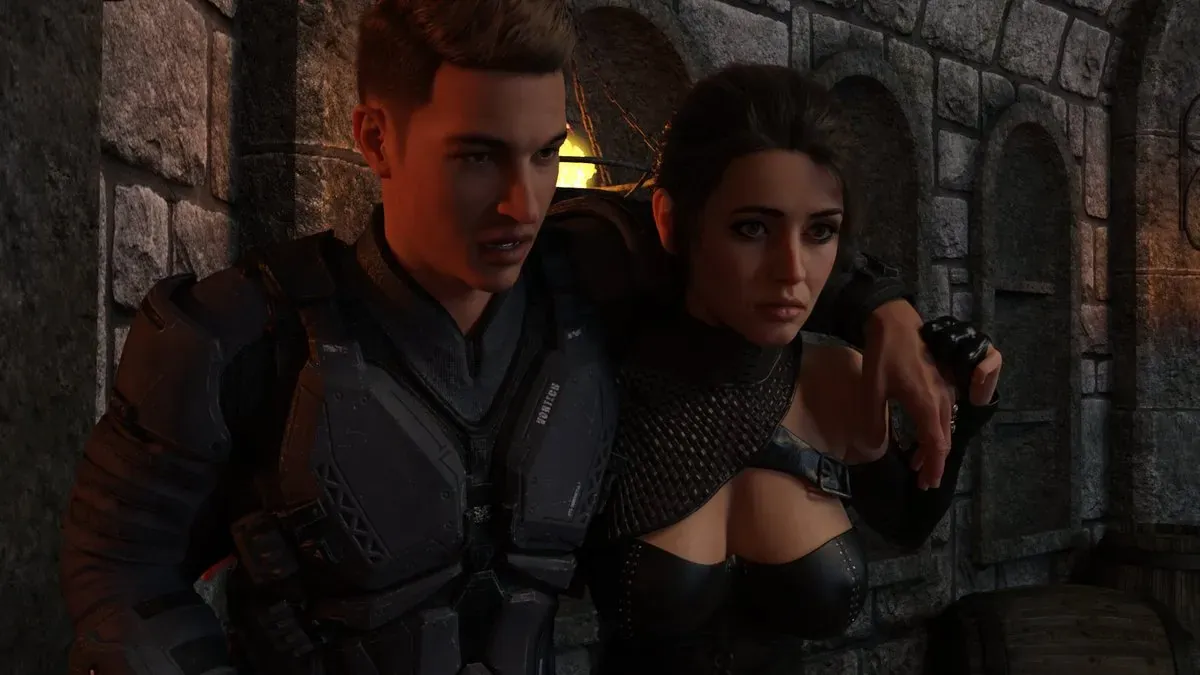
After the Inferno Screenshots

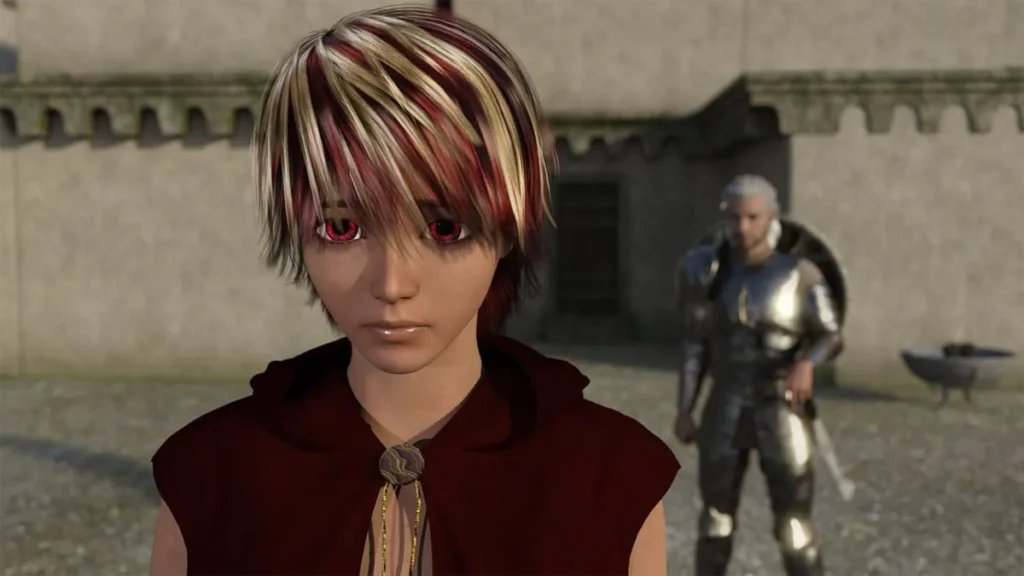
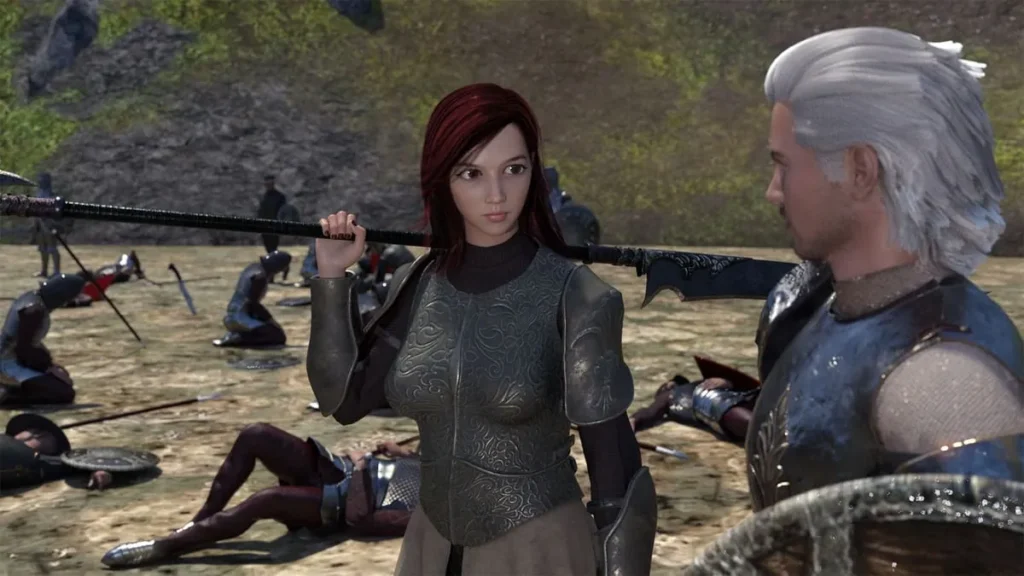
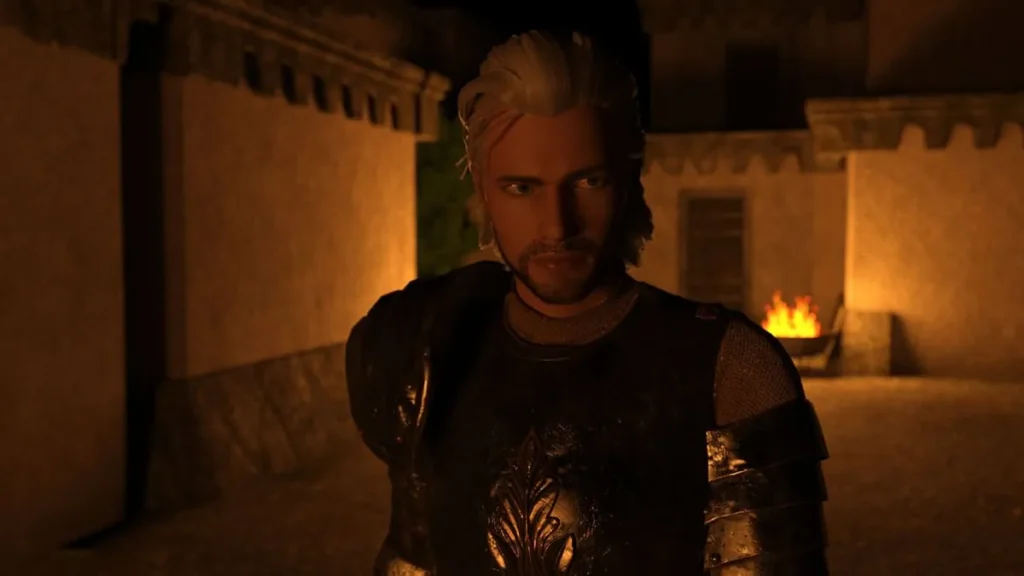
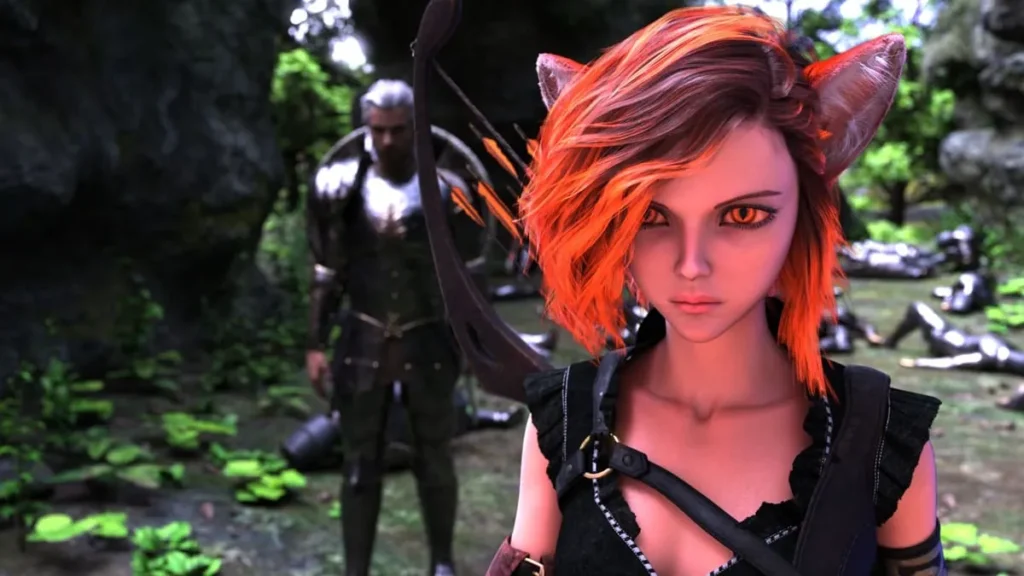
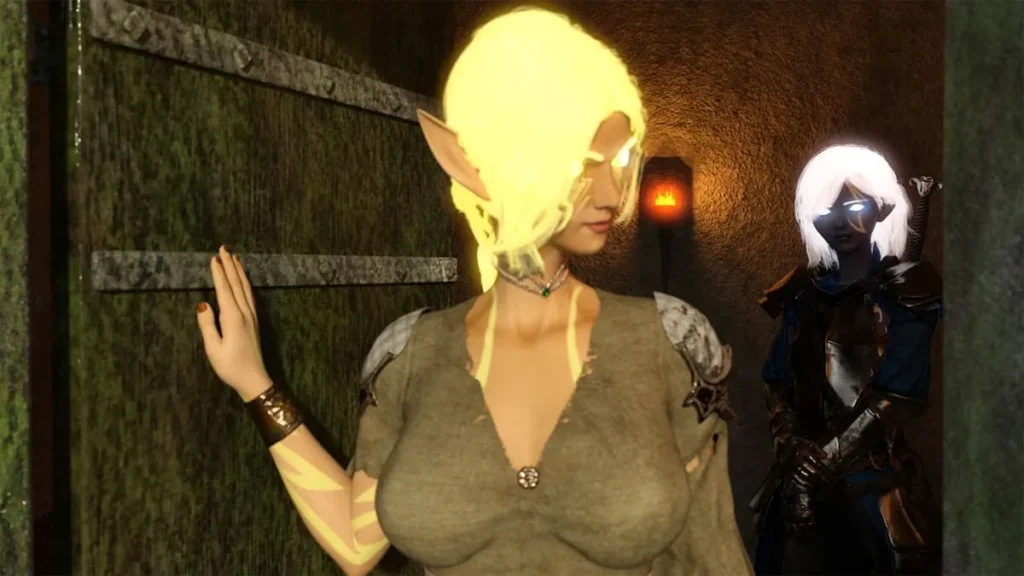
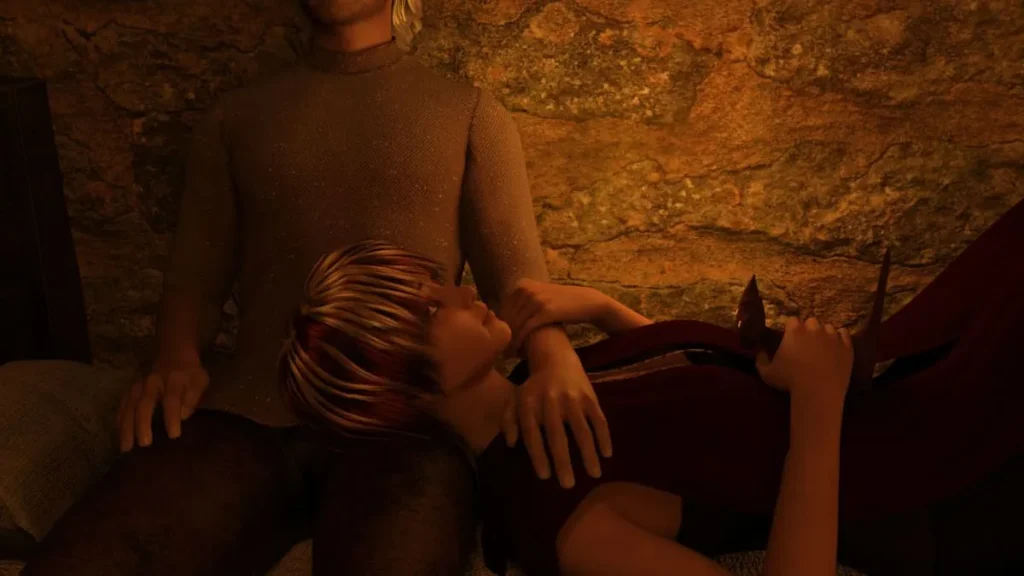
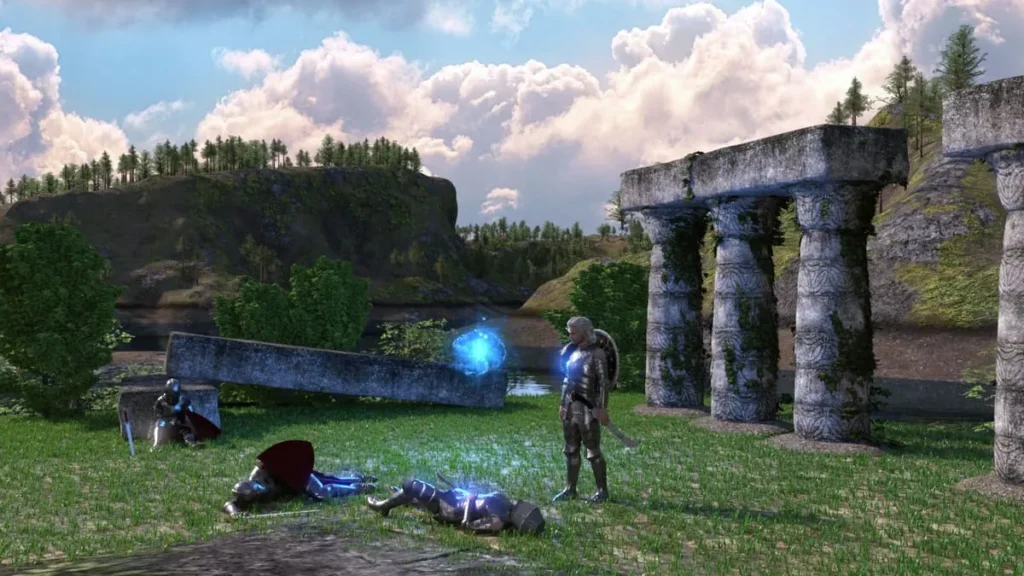
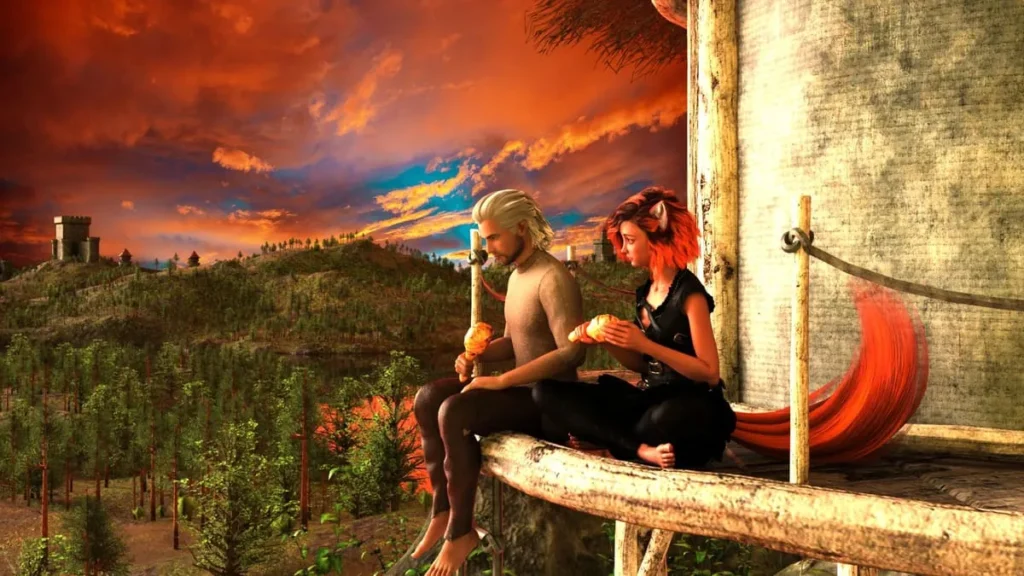
After the Inferno review
Exploring Story, Gameplay, and Unique Features of After the Inferno
After the Inferno is a captivating visual novel that combines a rich narrative with immersive animated scenes, designed to engage players who appreciate story-driven adult-themed games. This article dives into the core aspects of After the Inferno, from its storyline and character development to gameplay features and player experience. Whether you’re curious about the game’s plot or want to understand its unique appeal, this guide offers a comprehensive overview to help you decide if it’s the right choice for your gaming interests.
Unpacking the Story and Characters of After the Inferno
Ever find yourself scrolling through a mountain of games, searching for something with more soul than just flashy graphics? 🙄 That was me, until I stumbled into the haunting, beautiful world of After the Inferno. This isn’t just another visual novel; it’s a masterclass in how to weave a compelling narrative directly into the fabric of gameplay. If you’re hungry for a story that actually makes you feel and characters who linger in your mind long after you close the game, you’re in the right place. Let’s pull back the curtain on what makes this journey so unforgettable.
What is the narrative of After the Inferno?
At its heart, the After the Inferno story is a profound exploration of loss, guilt, and the fragile quest for redemption. You step into the worn-out boots of Leo, a former soldier who returns to his war-ravaged homeland only to find his hometown in ashes and his family gone. This isn’t a story about epic battles against a faceless evil; it’s an intimate, gritty crawl through the emotional and physical wreckage left behind. The core After the Inferno plot asks a devastatingly simple question: How do you rebuild a life when everything that gave it meaning has been destroyed?
The genius of this visual novel narrative lies in its atmosphere. From the moment you start, a palpable sense of melancholy and tension hangs in the air, perfectly conveyed through somber music and beautifully drawn, desolate backgrounds. The writing doesn’t spoon-feed you emotions; it immerses you in them. I remember a specific moment early on, where Leo just stares at the rubble of his old home. There’s no dramatic monologue, just the weight of his silence and the player’s own realization of the scale of his loss. It’s powerful stuff.
This is a narrative that trusts its audience with mature themes. It deals with trauma, the morality of survival, and the complicated politics of a recovering region without ever feeling preachy. Your choices, often presented as subtle internal thoughts or difficult dialogues, genuinely shape Leo’s path. Will he seek vengeance, withdraw into himself, or try to carve out a new purpose? The game story integration begins right here, as these narrative decisions become the primary engine of your gameplay.
Who are the main characters and their roles?
Leo may be our anchor, but the soul of the experience lies in the incredible cast he meets. The After the Inferno characters are far from simple archetypes; each is scarred by the conflict in their own way, carrying secrets, regrets, and fragile hopes. Your interactions with them form the backbone of the character development in After the Inferno, revealing layers of their personality based on your choices and how much you choose to engage.
Let me tell you about Elara. 😊 She’s not a typical “love interest” waiting to be saved. She’s a resilient medic running a clinic in the ruins, pragmatic to a fault but hiding a deep well of compassion (and pain) beneath her stern exterior. Helping her gather supplies or treat patients isn’t just a fetch quest; it’s a window into her worldview and a chance to build a connection that feels earned, not destined.
To give you a clear overview of the pivotal people you’ll meet, here’s a breakdown:
| Character | Role & Description |
|---|---|
| Leo | The protagonist. A weary veteran haunted by his past, searching for his missing sister and a reason to move forward. Your choices define his morality and emotional state. |
| Elara | A pragmatic field medic. She runs a clinic in the ruins, representing resilience and the practical struggle to heal in a broken world. A potential deep connection. |
| Kaelen | A mysterious scavenger and informant. Charismatic but untrustworthy, he represents the gray morality and opportunistic survival that thrives in the post-war chaos. |
| Seraphina | Leo’s missing sister. Her absence drives the central mystery. Recollections of her reveal the man Leo once was and what he has lost. |
| The Commander | A figure from Leo’s military past. Embodies the lingering shadow of the war and the chain of command Leo is trying to escape. |
What’s remarkable is how these relationships evolve. Ignoring a character’s side story doesn’t just lock you out of a scene; it changes how they treat Leo in the main story. This level of reactivity makes the world feel alive and makes your character development in After the Inferno deeply personal. You’re not watching bonds form; you’re actively, sometimes clumsily, building them yourself.
How does the story integrate with gameplay?
This is where After the Inferno truly shines and elevates its visual novel narrative. The line between “reading the story” and “playing the game” is beautifully blurred. The game story integration is seamless, making every action feel narratively meaningful.
My #1 Tip: Don’t rush through dialogue. The most important choices are often disguised as casual remarks or internal reflections. Your attitude shapes Leo’s personality.
The gameplay loop directly services the plot. For instance, to progress the After the Inferno plot, you’ll need to explore ruined districts. This isn’t mindless clicking. Each location reveals environmental storytelling—a discarded toy here, a faded propaganda poster there—that builds the world’s history. Gathering resources for Elara’s clinic feels urgent because you’ve seen the wounded she’s treating. Investigating clues about your sister makes you scrutinize every line of dialogue with suspects like Kaelen, turning conversations into tense, interactive puzzles.
This integration extends to the game’s approach to mature content. A key aspect of its design is the inclusion of optional intimate scenes. These moments are never gratuitous. They are gated behind specific, earlier choices that build a genuine rapport with another character. The game constantly emphasizes they are optional intimate scenes, controlled by a clear toggle in the settings. This respectful design puts narrative cohesion and player agency first, allowing you to define the depth of each relationship based on your comfort level and your vision for Leo’s journey.
Ultimately, playing After the Inferno feels less like running through a pre-scripted story and more like carefully navigating the fragile ecosystem of a broken community. Your decisions on what to say, where to go, and who to trust don’t just lead to different endings; they change the very texture of the experience. The After the Inferno story is one you don’t just witness—you live it, with all its difficult choices and hard-won connections. And that is the mark of a truly great visual novel. ✨
After the Inferno offers a compelling blend of narrative depth and engaging gameplay, making it a standout choice for fans of story-driven visual novels. Its well-crafted characters and flexible approach to intimate scenes allow players to tailor their experience according to their preferences. Whether you’re drawn by the story or the game’s unique features, After the Inferno promises an immersive journey worth exploring. Dive in and discover the layers behind its intriguing world.